
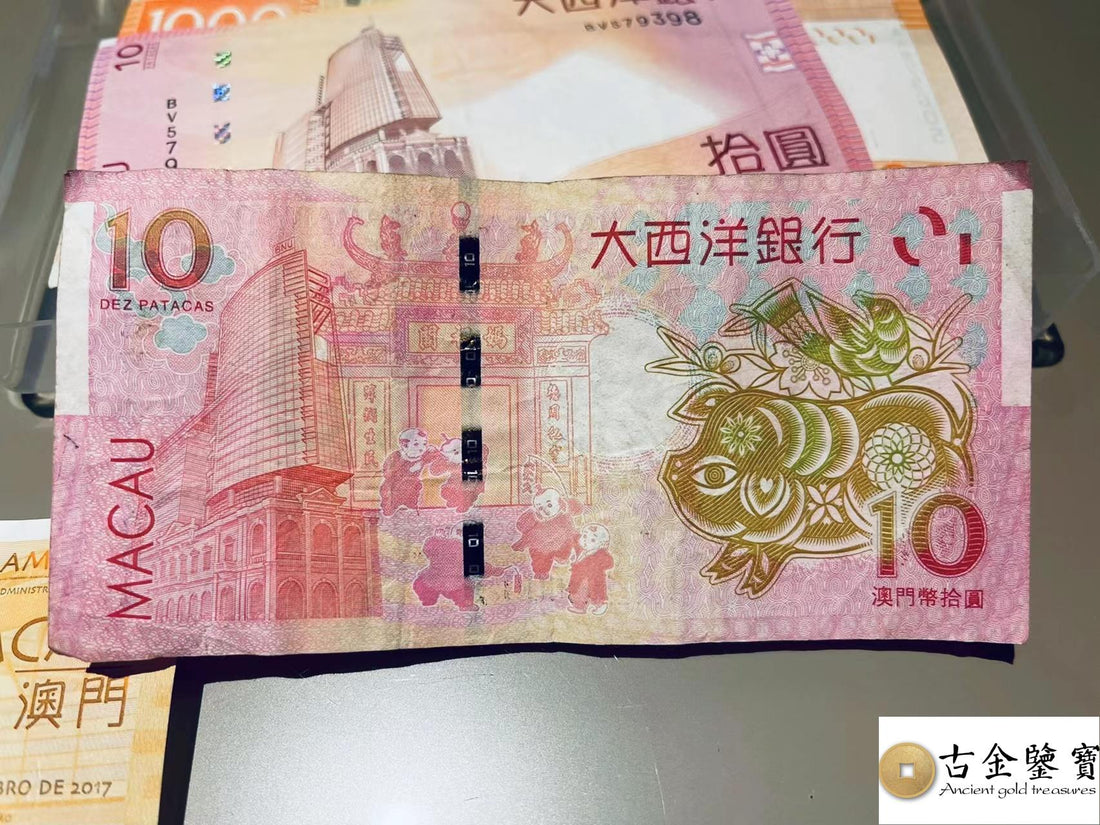
A clear order for reviewing mixed collectibles
Write dimensions, weight, measuring tool and native unit first, then connect the batch list, image names and storage location. Both sets must point to one object identifier.
Next group metal, paper, stamps and porcelain without replacing the original reading with a converted figure. Leave an uncertain name, period or material unresolved.
When measurements are converted, keep the first value and add the review date. A blank can have an explanation; it should not be filled by resemblance.
Begin with what can be seen
Even inside existing packaging, note the tentative name, visible wording, design, dimensions, enclosure and condition. State exactly what cannot be viewed.
Handover method, possible fees and required documents depend on the objects actually present. A distant image or family story cannot determine them.
Do not let market names replace object evidence
Separate metal, paper items, porcelain and stamps before assigning identifiers. Each material needs its own observation, measurement and care notes.
Photographs can reveal wording, motifs and obvious damage, while paper, fineness, concealed cracks or subtle repair may still require direct examination.
Cite any issue, production or historical reference and the day it was consulted. Labels, oral accounts and web images remain background information.
One number across objects and attachments
Preserve boxes, sleeves, certificates, receipts and labels, but connect each attachment to the object without allowing it to replace direct observation.
When a group contains similar pieces, keep the complete object, located details and measurements under its own identifier. Mark every unseen area.
Use the number on photographs, measurements, packaging and documents so a later addition cannot drift onto another collectible.
Let the gap determine the next action
Market comparisons only become useful after type and condition are reasonably aligned. An online asking price cannot substitute for the object's evidence.
Images can support preliminary sorting, yet material, hidden restoration and areas behind an enclosure may need the relevant specialist to inspect them.
A mixed-collection checklist that can be handed over
Start with original dimensions, weight, tool and unit, followed by the tentative name, material and any packaging restriction. Keep the date with every later correction.
Match the material group, complete photographs and each supporting document to the same identifier. Do not merge a certificate's wording into the object description.
Retain the first images when a clearer angle is added. Differences in orientation or lighting may explain a later change in interpretation.
Before handover, reconcile the item count, image names, storage positions and unattached papers. Anything that cannot be matched remains outside the summary.
A final review should separate observable facts, provenance and open questions. That structure lets another person repeat the work without guessing.
