
Begin the Inventory with What Is Present
Number each object, empty box, loose component and document, distinguishing a complete item from an attachment or unidentified fragment.
Capture a dated batch view for count and arrangement, then make complete views, edges, bases and located damage images for every object.
Fields to Leave Open
Mark unreadable text, uncertain material, unsupported names and inaccessible surfaces separately, including the reason each field cannot yet be checked.
Connect Images to the Storage Location
Use file names containing the batch, item number and direction, and record the shelf, box, tray or album position current at capture time.
Keep the former location and date when an object moves, so a reviewer can reconstruct the inventory rather than finding only its latest position.
Measure Only After Safe Support
Record dimensions or weight with tool, native unit and contact point, placing any conversion in an additional field without replacing the reading.
Provide padded support for fragile objects, isolate damp or adhering paper, and avoid removing packaging solely to fill a measurement field.
State which edge, underside or attachment remains hidden and what form of access would be needed to examine it.
Separate Materials Before Further Work
Group metal, paper, stamps and porcelain into distinct work areas, retaining an unresolved tray for objects whose material is not safely identifiable.
Apply handling and environmental limits suited to each group rather than one cleaning, flattening or movement method for the entire batch.
Keep Context from Replacing the Object
Store boxes, receipts, certificates, labels and oral accounts under the same item number but in dated contextual fields.
Use market references only where object type, material and condition are comparable, naming the source, date, region, currency and unit.
Leave prices and handover terms out of the physical description, especially while the material or extent of damage remains open.
What an Antique Silver-Dollar Authenticity File Must Still Prove
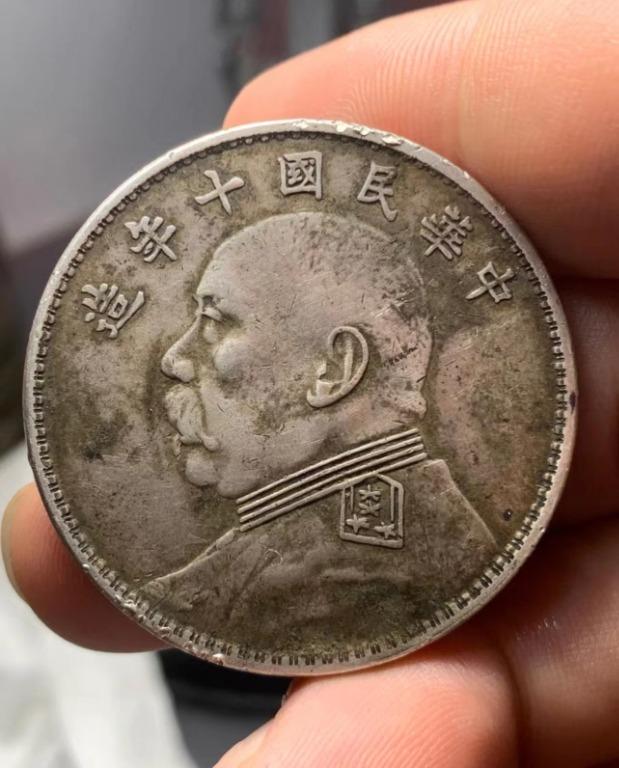
The source image concerns antique silver-dollar authentication, so that item needs matched faces, available edge views, original readings and located surface evidence within the wider inventory.
A batch filename or storage box can establish where the coin was found, but neither supplies a date, mint or material conclusion.
Other metal, paper, stamp or porcelain objects retain their own support and pending fields instead of inheriting the silver dollar's examination method.
Comparable references enter only after the visible coin family and condition are sufficiently aligned, with source, date, region and unit retained.
The pending-check line identifies the exact legend, edge interval, reading or material question still needed to move the antique silver dollar beyond a working name.
