
Build the batch list before objects are moved
Count the objects in their current groups and assign a unique identifier to each one. Use that identifier in image names, the batch list, storage location and any later handover note.
Keep coins, paper money, stamps and porcelain in separate material groups so one handling method is never applied across the collection. A mixed box can be described without flattening unlike objects into a single category.
Date the first inventory and preserve its original order. If an object changes location, add the new location and date rather than erasing the earlier position.
Make the photographs findable
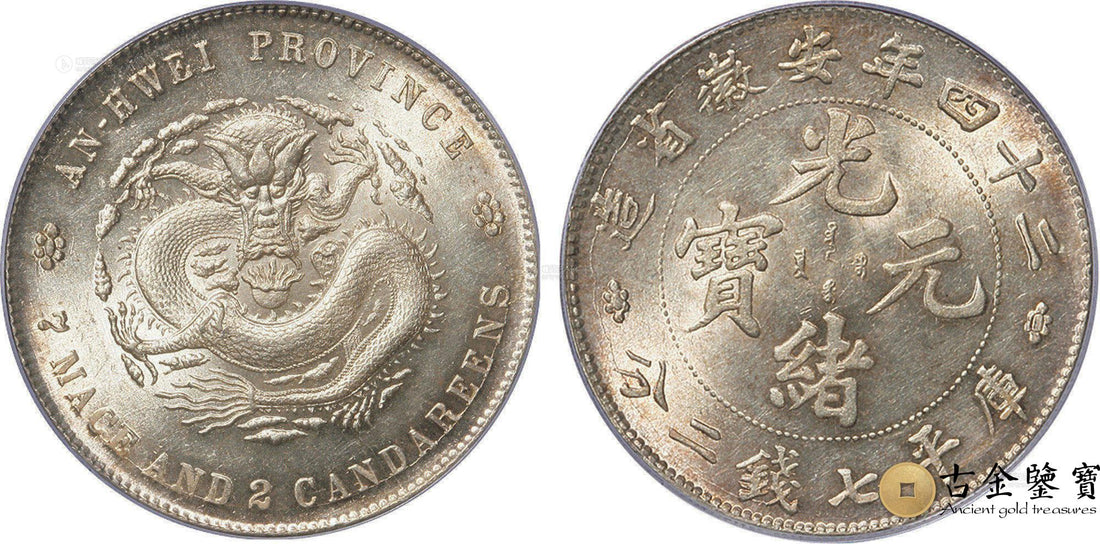
Capture an uncropped overall view before details: both coin faces and circumference, both paper faces and corners, the full stamp format and back where safe, or all sides and underside of porcelain.
Name each image with the item identifier and view. Keep a simple sequence so a close-up of damage, a hallmark or an inscription can always be returned to the complete object.
Preserve source images and native measurements
Retain original image files and create edited copies separately. Cropping or colour correction should never remove the only view of scale or orientation.
Record the object type, reading, measuring tool, unit and position. A weight without its scale unit or a dimension without its measuring points is not reproducible.
Apply only measurements that are safe for the material. A stable vessel, fragile paper item and loose jewellery component require different support and contact.
Separate attachments from direct observation
Photograph certificates, receipts, labels, sleeves and family notes under the related identifier, but transcribe them as provenance. They should not overwrite visible inscriptions or condition.
If packaging contains several objects, list the package once and link each item individually. State whether opening is unsafe or requires the owner's consent.
Before movement, check every object's identifier, description, photograph count, storage position and attachments, resolving duplicate numbers while the arrangement remains intact.
Complete the handover check
Note vulnerable areas and handling limits: an unstable coin mount, brittle paper edge, adhered stamp or repaired porcelain handle. The next person should know where not to grip.
Complete the handover note with vulnerable areas, sealed packages and permissions needed for later access, without moving them prematurely.
Protect privacy and obtain consent
Retain personal names, addresses and family accounts only with permission, and obtain consent before destructive testing, opening sealed packaging or contacting anyone outside the handover.
Record an approved disclosure, new attribution or measurement as a dated addition so both consent and the collection's earlier record remain visible.
Begin with the item count, material groups and identifier range. Match each number to a storage location and one clear complete photograph.
Add the safe measurements and locatable details, then connect any certificate, sleeve or receipt without turning its claim into an object description.
Check image names and numbers side by side, then confirm the physical count with both parties and note any unmatched close-up or package left sealed.
