
Begin with the object, not its packaging
Note the material group, number of pieces and current name visible on the object before describing any box, document or label that arrived with it.
Match packaging, documents, old labels and provenance notes to an individual item. A familiar name or an oral account is useful for retrieval, but it does not replace physical evidence.
Provide supports for fragile, damp or adhered material and name the date of any source consulted. If safe separation is impossible, leave the relationship unresolved.
A useful item description
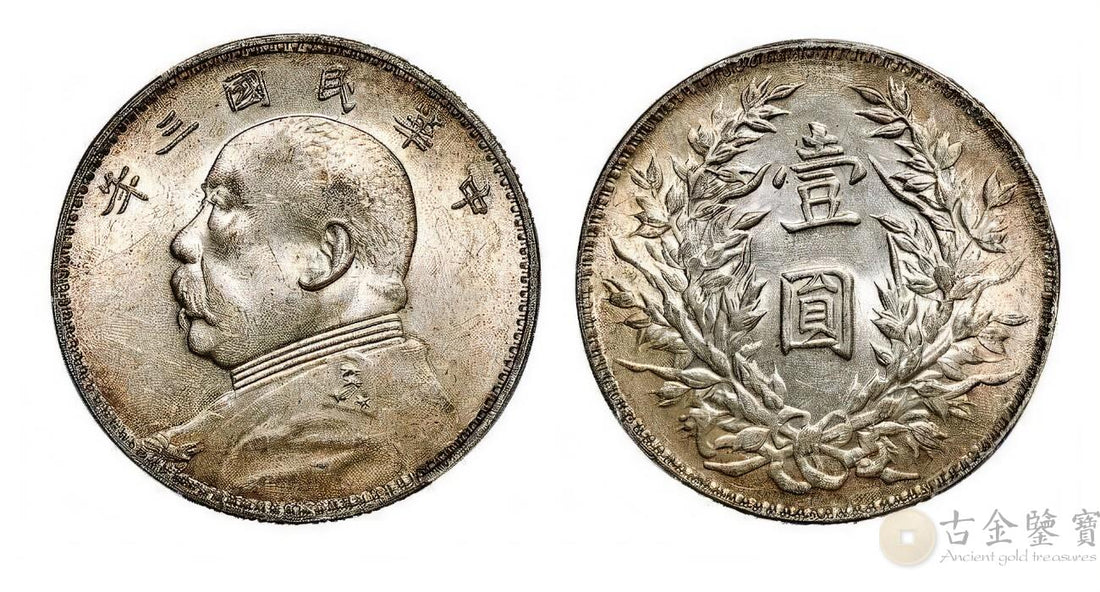
For each number, capture the current name, visible wording, principal design, dimensions, weight where appropriate, packaging and observed condition.
Market references are only meaningful when object type and condition are genuinely comparable; they should not be turned into a fixed amount for an unseen piece.
Connect every view to the same number
A group photograph establishes the overall quantity. Individual images should then show the face, reverse, edge or base, followed by the dimensions and weight taken from that particular object.
Separate metal, paper, stamps and porcelain before choosing supports or storage. Their surfaces react differently, and one treatment is not suitable for the whole group.
Keep one identifier on the complete view, enlarged image, measurements, package and documents so later additions cannot drift to another item.
Keep supporting sources in their own category
Discuss handover, deductions and supporting documents only after the physical item can be examined and its images, packaging and measurements can be matched.
Retain original boxes, sleeves, certificates, receipts and labels. State whether each attachment was already associated with the object or was found loose in the group.
When manufacturing or historical information is added, identify the source and the date consulted. Keep that research apart from observations made directly from the object.
Use a sequence for repeated or similar pieces
Several objects of the same kind still need separate identifiers. Add a simple sequence so a close-up, measurement or package cannot migrate to its neighbour.
Photographs can establish broad type and conspicuous damage; material, subtle repairs and areas hidden by an enclosure may require direct inspection. State that limitation beside the relevant item.
What a Material-Based Handover Must Preserve
The handover begins with a material group and item number; complete views establish the piece before edge or base images and native-unit measurements are added.
Protective support follows the material and its present risk, whether fragile, damp or adhered. Batch number, image filename and location remain together.
Condition belongs to a precise position on the object, not to one general adjective applied across every surface.
A count reconciled by item number keeps each package and document with the correct object before the collection changes hands.
Old labels are transcribed verbatim, while oral information stays beside them as a separate account; neither silently becomes the identification.
