
 WhatsApp item photos
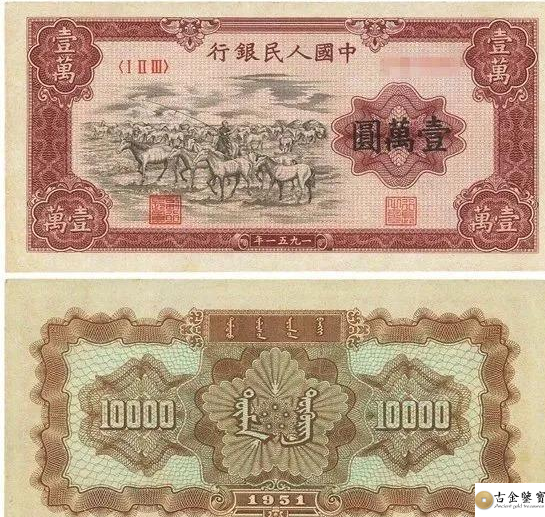
Give every First Series RMB note its own number
Photograph seals and all four package edges before opening anything. Complete faces, details, measurements and attachments must follow the note number throughout the record.
- Photographs: front, back, four corners and four edges
- Condition: folds, tears, stains, mould and repair locations
- Attachments: sleeve, album page, seal and original sequence
Number package and note separately, and date every source document. Leave uncertain fields open and record what the enclosure prevents you from seeing.
Preserve the relationship between whole and detail
Keep a special prefix or serial number within the identified denomination and design. Number interest does not replace paper, print colour, corners or repair evidence.
Group notes by series, denomination and visible design before recording complete faces, corners, serial area, dimensions and transmitted light for each individual note.
Store the complete view, located close-up, raw measurement, package and document under one number. A later photograph is appended rather than substituted.
Create a record even when the name remains open
Enter the working name, readable text, designs, dimensions, enclosure and condition while the note stays packaged. Mark every covered field for later comparison.
Use side light to distinguish water exposure, pressing, plugged holes, trimming, recolouring and replaced corners. Do not flatten the paper to obtain a cleaner picture.
Keep documents and notes aligned
Do not break a bundle, connected run or sealed group merely to photograph individual notes. Record seals, first and last serials, side view and count before deciding on examination.
Photograph old sleeves, album notes and earlier annotations beside the note, but never write, stamp or add adhesive directly to the paper.
For any statement about issue or manufacture, note the reference identity and the date it was consulted. Album labels, oral accounts and online images remain supporting context.
Know what requires direct paper examination
Use broad, even transmitted light without filters and record only structures actually visible. A small bright source can erase fibre and outline detail.
Images support classification and visible damage mapping, while paper feel, fine repair and package-covered sections may still require examination of the note.
Bind First Series RMB corners, paper and transmitted light to one note
Keep the complete front and back, four corners and all edges under one note number before measuring length and width. The instrument, unit and any blocked margin travel with those views.
Transcribe First Series RMB denomination, visible date wording, serial and principal designs from the note itself. Album sequence and sleeve position preserve context but do not fill an unread character.
Return each transmitted-light detail to a marked place on the full paper. A close-up without orientation cannot support a watermark, repair or paper-structure observation.
Record folds, tears, stains, thinning and possible treatment separately from box, certificate and seal data. The enclosure may document custody while hiding physical evidence.
For review, pair the note number, dimensions, full views and transmitted-light map. Leave any sealed edge or corner intact and name precisely what remains unseen.