
 WhatsApp item photos
A gold figure needs a date and a defined basis
Market information changes with time, region and the kind of item being discussed. Save the publication date, collection time and named provider beside every figure.
Identify whether a number is a reference gold price, quoted buying indication, auction result or retail figure, then state the item form, fineness evidence, condition and non-gold components.
Weight context: distinguish gross weight, confirmed gold-bearing weight and estimated net gold content without merging them.
Separate Market Data from the Object
A useful comparison preserves currency, unit, region and timestamp, while the physical item's photographs, hallmark and component evidence remain independent.
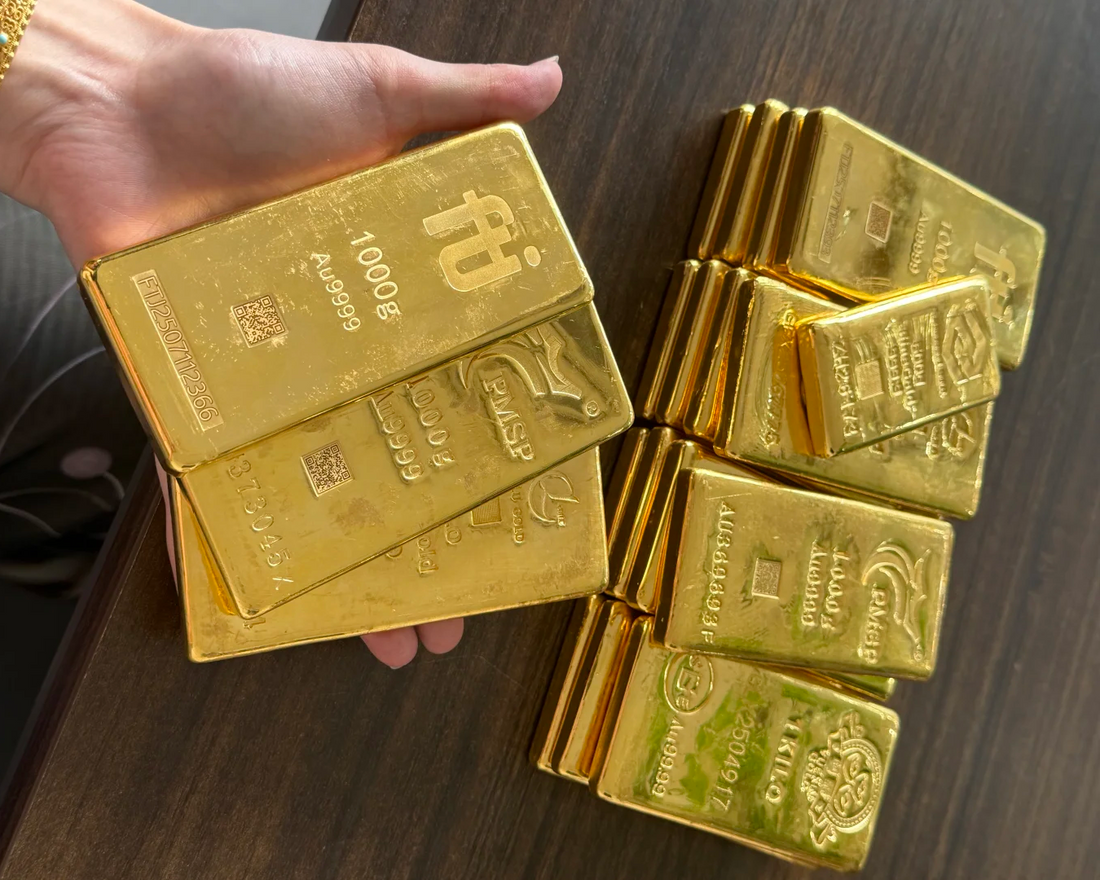
Photograph the actual item, hallmarks, clasps, settings, solder joints and loose attachments under one identifier. Do not treat a price chart as evidence of composition.
Use Comparable Rows
A hallmark should be transcribed and located, but it is one piece of evidence rather than an automatic fineness conclusion.
Build each row from date, source, market, item type, condition, stated fineness, weight basis, currency and unit rather than a headline figure.
Keep Conversions Traceable
Keep a reference metal price separate from deductions, handling terms and a physical-item assessment. Those later elements require an actual inspection and stated conditions.
When converting units or currencies, retain the original figure, conversion rate, timestamp and formula. A calculated value should not overwrite the publication's number.
Read every condition or caveat, including purity, quantity and time window, and retain the provider's original figure before any conversion.
Read the Conditions Behind a Figure
Screenshots need the provider name, page address and capture time. A cropped number without its heading and unit cannot support a later comparison.
Where the date, named source, region, item type or condition is missing, keep the figure as background only and exclude it from a like-for-like comparison row.
The physical item still needs evidence for fineness, net gold content, repairs and non-gold parts; market information cannot supply those observations.
When Market Data Becomes Comparable to the Gold Item
Document itemised deductions or handover terms only after their basis is known, and keep them separate from unrelated market rates.
Create one row per dated source and preserve its original currency and weight unit. Add conversions in adjacent fields with the rate and time used.
On the object card, record gross weight, visible hallmark, construction and components separately. State whether any net-gold figure is measured, documented or estimated.
Compare like with like: the same region, date window, item form, fineness basis and condition where possible. Explain every remaining difference rather than hiding it in an average.
Before sharing the comparison, check that no source date, unit or condition has been dropped. Leave an unsupported price or composition claim out.