
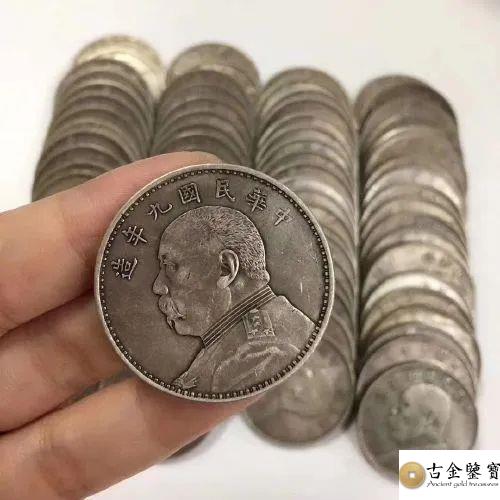
Move from family documents back to each silver dollar
Begin with the entire circumference, denticles and rim under photographs. Separate physical observations from packaging and oral or written accounts, preserving both when they differ.
Next, locate mintmarks, applied chops, piercings or altered-rim sections under condition. Explain the impact before contact examination so another person can repeat the view.
Match paper sleeves, grading holders and old labels under attachments. Keep first readings apart from conversions and stop any handling or measurement that cannot be reproduced safely.
Give issue information a cited basis
Coins sharing a broad name can differ in year, value or mintmark. Sort those visible details before condition and check the list for gaps.
Capture the circumference in overlapping edge sections while preserving seams, rim work, holes, solder and former jewellery mounts.
Any issue, production or historical account should name its reference and access date. Old labels, family stories and online images remain research leads.
Sort varieties before comparing condition
Enter the current name, legible inscriptions, designs, dimensions or weight, enclosure and visible condition. Leave a concealed field open.
Countermarks, old sleeves and provenance notes provide context but cannot replace the legends, main motifs, metal surface or edge.
Retain original readings instead of overwriting them
Photograph both complete faces with the circumference intact before adding details of wording, designs, denticles, mintmarks and edge. Finish with an outstanding-view check.
For several inherited coins, group the visible dates, denominations and principal motifs, then number each piece. Its faces, edge, weight and diameter stay together.
Use the identifier on overviews, details, measurements, packaging and papers so later information cannot migrate between coins.
Make later examination traceable
A grading holder supplies an attribution and grade that must still be compared with the enclosed type, date, variety and surface.
Photographs can support sorting and show obvious damage, while composition, slight repairs and areas behind holders may require direct examination.
Connect faces, legends and edge on inherited silver
First align sleeves, holders and labels with the visible date, value, legends and principal designs under one number. Retrieve another image through identification rather than appearance.
Use three passes: confirm the coin number, describe patina, wear, knocks and possible cleaning, then check whole, raking-light and damage images. Date each addition.
Separate original evidence from later interpretation. Images, dimensions and weight state what was observed; collector names and family accounts remain context.
If a photograph and reading disagree, repeat the measurement at the same point instead of choosing one. Arrange direct inspection if the difference remains.
Before enquiry, align date, unit and image direction and retain both versions of any unresolved conflict.
