
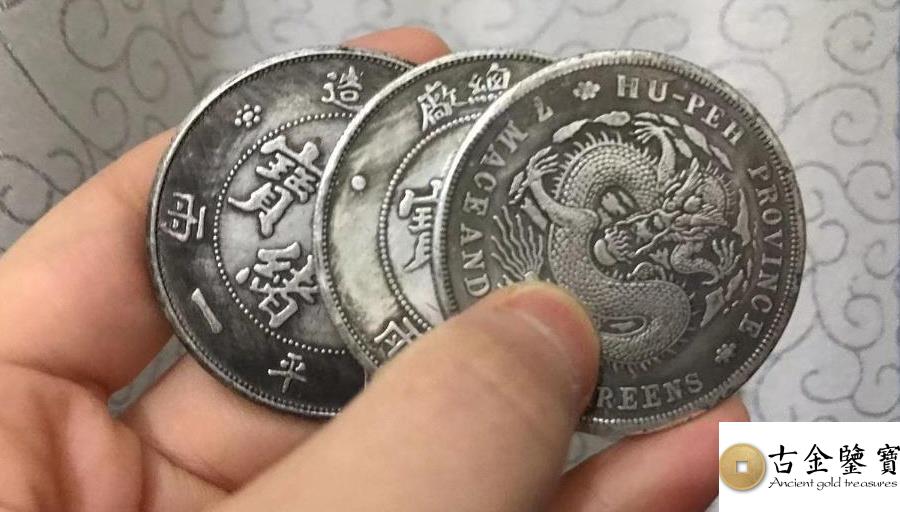
Review key silver dollar varieties in a fixed order
Place the visible year, denomination, legends and principal design under identification, then describe patina, wear, knocks and cleaning traces separately under condition. Both sets must retain the same coin number.
Follow with complete coin views, angled-light images and positioned damage details. Preserve the first readings and units, and do not promote an unresolved point into a variety, period or result.
List every missing detail before the next examination and add the date checked. A gap may be explained without filling it from assumption.
Begin with measurements and visible wording
If a key silver dollar remains enclosed, note its current name, visible legends, design, dimensions or weight, packaging and observed condition, marking every obscured detail for later checking.
Coins carrying a similar name may differ by year, denomination or mint mark. Group those features first, then compare surfaces while retaining the original measurement units.
State what the enclosure prevents
For several pieces, photograph the complete edge in ordered sections. Keep seams, altered rims, holes, solder and jewellery conversion traces untouched and identify each unseen area.
A grading holder supplies label wording and a stated grade, not automatic confirmation. Cross-check the enclosed type, year, proposed variety and surface wherever visible.
Use one number for full views, close-ups, measurements, packaging and documents so evidence added later cannot migrate to another coin.
Preserve the surface during review
Applied countermarks, old paper sleeves and provenance accounts can be retained separately, but they do not replace the coin's legends, design, metal surface or edge.
Photography helps sort varieties and locate obvious damage; composition, subtle repair and areas hidden by packaging may still need direct examination. Keep the original units beside any limitation.
Treat background stories as research leads
Transcribe the year, denomination, legends and main design from the actual silver dollar before comparing weight and diameter for a coin whose type is sufficiently established.
Distinguish natural toning, circulation wear, weak strike, wiping lines and chemical-cleaning colour. Leave the coin uncleaned and keep the first measurements intact.
Historical, issue or manufacturing information should name its source and consultation date. Old labels, oral accounts and online images remain secondary leads.
Evidence for a proposed key variety
Start with complete obverse, reverse, legends and edge details, then attach weight, diameter, measuring tool and original unit to the same identifier. These elements are compared without assuming their conclusion.
After the first pass, reconnect angled-light and damage images to the coin and list any unconfirmed name or variety. Date conversions, oral accounts and later additions independently.
Photographs can support wording, design, proportions and conspicuous damage but may not settle composition, hidden cracks or slight later treatment. Keep those limits with the coin number.
Do not wash, polish, scrape or alter an edge. Leave an original holder sealed unless opening has been agreed, and state every view the enclosure prevents.
A useful enquiry set preserves repeatable whole-coin and close views, together with an honest list of areas that remain obscured, sealed or unsupported.
