
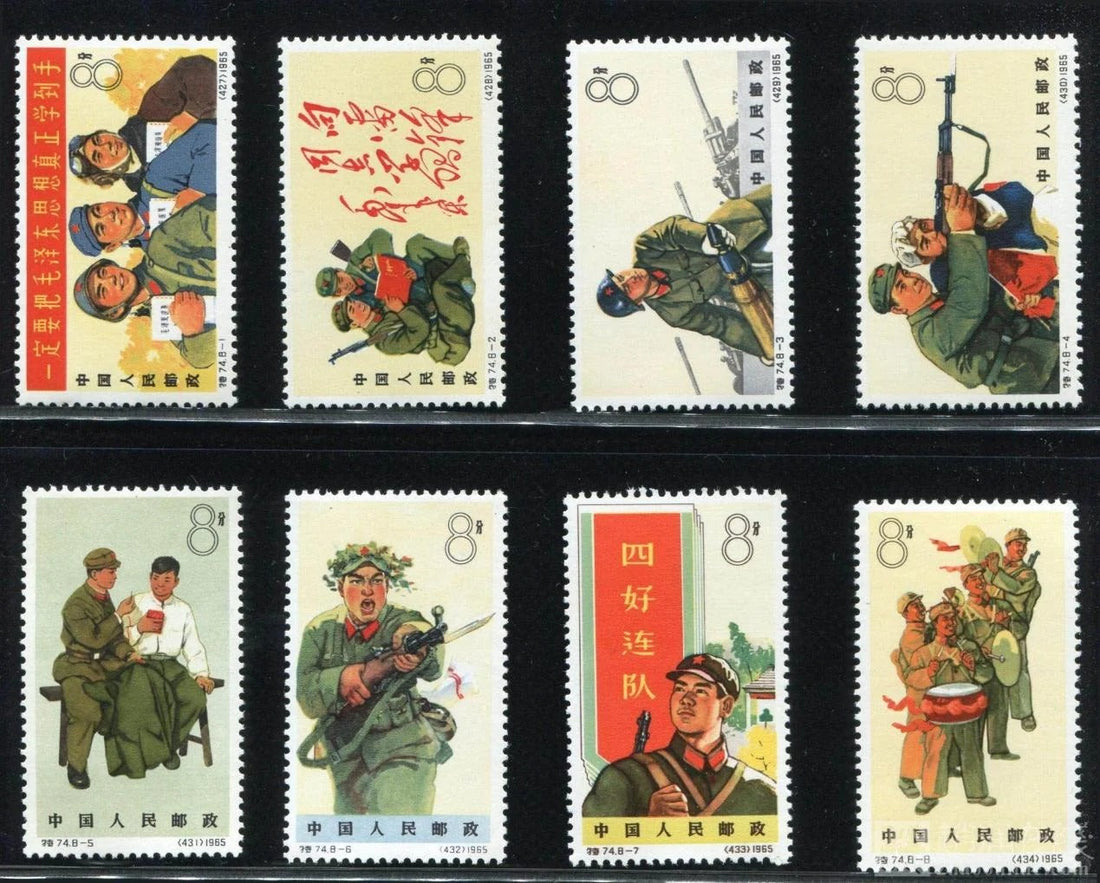
Split stamps and coins into two groups first
Stamps call for issue details, perforations, gum and album position; coins call for inscriptions, designs, edges, weight, diameter and surface observations.
Use a group image to confirm quantity, then number each object within its material group. Do not force apart damp album leaves or adhered stamps, and do not clean the coins.
Market comparisons should involve the same object type, format and condition. They are not a fixed amount for a mixed group that has not been examined.
Give each coin complete faces and a complete edge
Photograph the obverse and reverse with the full circumference visible, then cover the entire edge in an ordered series. Locate every close-up on a complete view.
Take weight and diameter with the tool and original unit stated. Do not overwrite the first reading with a conversion or treat a specification as identification.
Separate patina, circulation wear, wiping lines, cleaning lustre, knocks and edge changes so the present surface is described without intervention.
Build a compact description for every object
Use the current name, visible wording or design, dimensions, weight where relevant, packaging and observed condition as the common starting points.
For stamps, add the visible issue year or code, denomination and set count, and keep singles, blocks, sheets and covers as distinct formats.
Keep album order intact
Photograph an album from its cover through numbered leaves. Stop if dampness or adhesion makes turning a leaf unsafe, and describe what could not be seen.
Preserve handwritten notes, packets, sequence and protective films before moving loose stamps. These details can explain arrangement without proving an attribution.
One identifier should follow an object through every photograph and measurement, even when the collection contains repeated designs.
Show stamp condition at a precise location
Capture missing or damaged perforations, complete sheet margins, marginal inscriptions and colour marks without trimming or flattening the paper.
Transcribe cancellation dates and places where legible. Photograph covers intact on both sides, including seals, rather than cutting away the stamp.
Name the source and consultation date for issue or historical information, keeping it distinct from what is visible on the stamp itself.
Do not merge similar stamp issues
The same subject may appear in another year or format, so compare the issue code, paper, printing and set composition before linking examples.
Images reveal broad type and prominent damage; material, repairs and concealed areas may still need direct inspection. Preserve the gap instead of supplying a guess.
When Stamps and Coins Share One Storage Batch
For a stamp, capture issue code, denomination, visible title and issue details before checking gum, hinges, thinning or possible regumming.
Next note foxing, mould, creases and missing perforations, then add dimensions and positioned detail images without handling more than necessary.
Separate visible evidence from packet labels and recollections. Conflicting accounts should remain side by side until they can be tested.
Confirm the item count, accessories and packaging before handover. Any discussion of deductions or settlement follows examination of the actual material.
For an enquiry, supply the visible issue or date and denomination with measurements, complete views and a list of areas still hidden or unsafe to handle.
