
 WhatsApp item photos
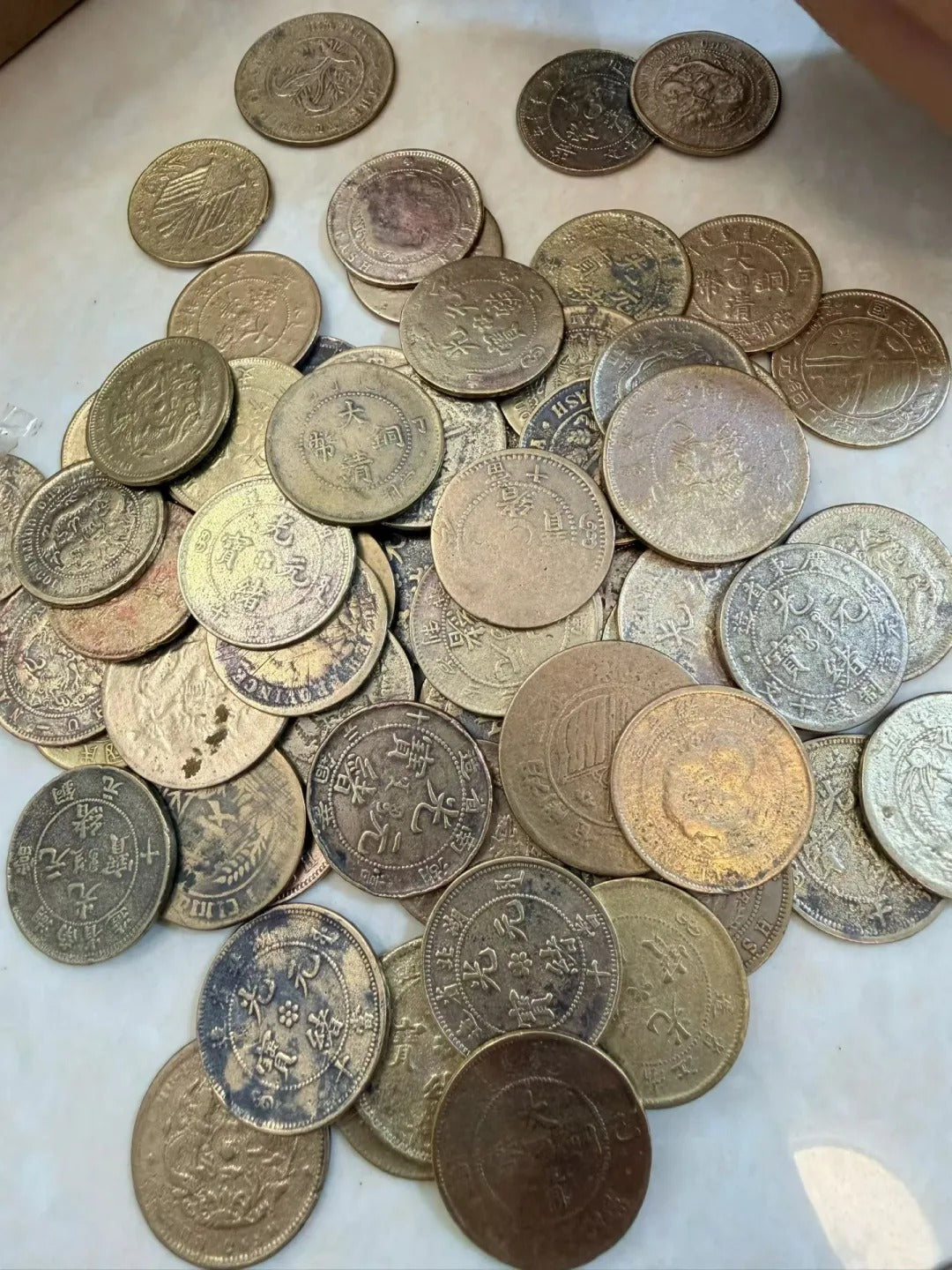
Separate and number old stamps before examination
For a complete set or mixed group, confirm the actual quantity and assign an identifier to every stamp or intact unit. Establish the front, reverse and album position before transcribing or photographing details.
- Provenance: album page, original arrangement and old annotations
- Design: complete dimensions and the location of every close-up
- Paper: front, reverse, four perforated edges and sheet margin
Use a collector nickname only to find references. Locate damage details on the complete stamp, leave unsupported claims open and note any limit on moving an album page or enclosure.
Cite the source for issue information
If moisture or mould is present, isolate the album page from other paper in a ventilated area. Do not accelerate drying with heat, sunlight or cleaning agents.
Verify the issue year, catalogue or issue number, denomination and number of stamps in the set. Keep singles, blocks of four, full sheets, souvenir sheets and postal covers distinct.
Give the reference and consultation date for issue, production or historical statements. An old label, spoken account or online image offers a research lead only.
Sort by format before comparing details
For each stamp or sheet, transcribe its visible name, wording and design, dimensions, present enclosure and condition. List anything hidden by a mount or album.
Photograph the date and place in a cancellation. Preserve a postal cover's complete front, back and seal; cutting off the stamp destroys evidence of its use and context.
Retain the original dimensions and paper evidence
Different years or formats can share a subject, so compare the catalogue number, paper, printing and completeness of the set rather than the picture alone.
Original gum, adhesion, hinge remnants, thinning and regumming may differ in gloss or paper thickness. Photograph the reverse without adding water or pressing it by hand.
Keep complete images, details, dimensions, packaging and documents under the same identifier. State which gum, perforation or print detail is obscured.
Make the album sequence traceable
Photograph the album from its cover through every page, retaining the order and page numbers. Stop turning pages when paper is damp or adhered, and never pull a stamp free.
Images can support classification and conspicuous damage, while paper, fine repairs and mounted areas may still require direct examination. Preserve the original measurement and unit.
Organise stamps by complete-set and margin evidence
Connect the album page, arrangement and old annotation to plate or printer inscriptions, cancellations and postal-cover information through one identifier. Add a format or condition conclusion only after both sides can be traced.
Confirm the number first, photograph the front, reverse, all four perforated edges and margins, then determine whether the object is a single, set, souvenir sheet or full sheet. Date every stage and preserve the original images.
Distinguish observations from later interpretation. Complete views and dimensions describe the object; collector names, provenance and unresolved research remain supporting context.
If images and dimensions conflict, repeat the measurement at the same location under stated conditions. Request direct examination only when the difference remains unexplained.
Before an enquiry, check the complete view, detail, dimensions and enclosure together. Add a missing issue number or denomination photograph without altering the stamp.