
 WhatsApp item photos
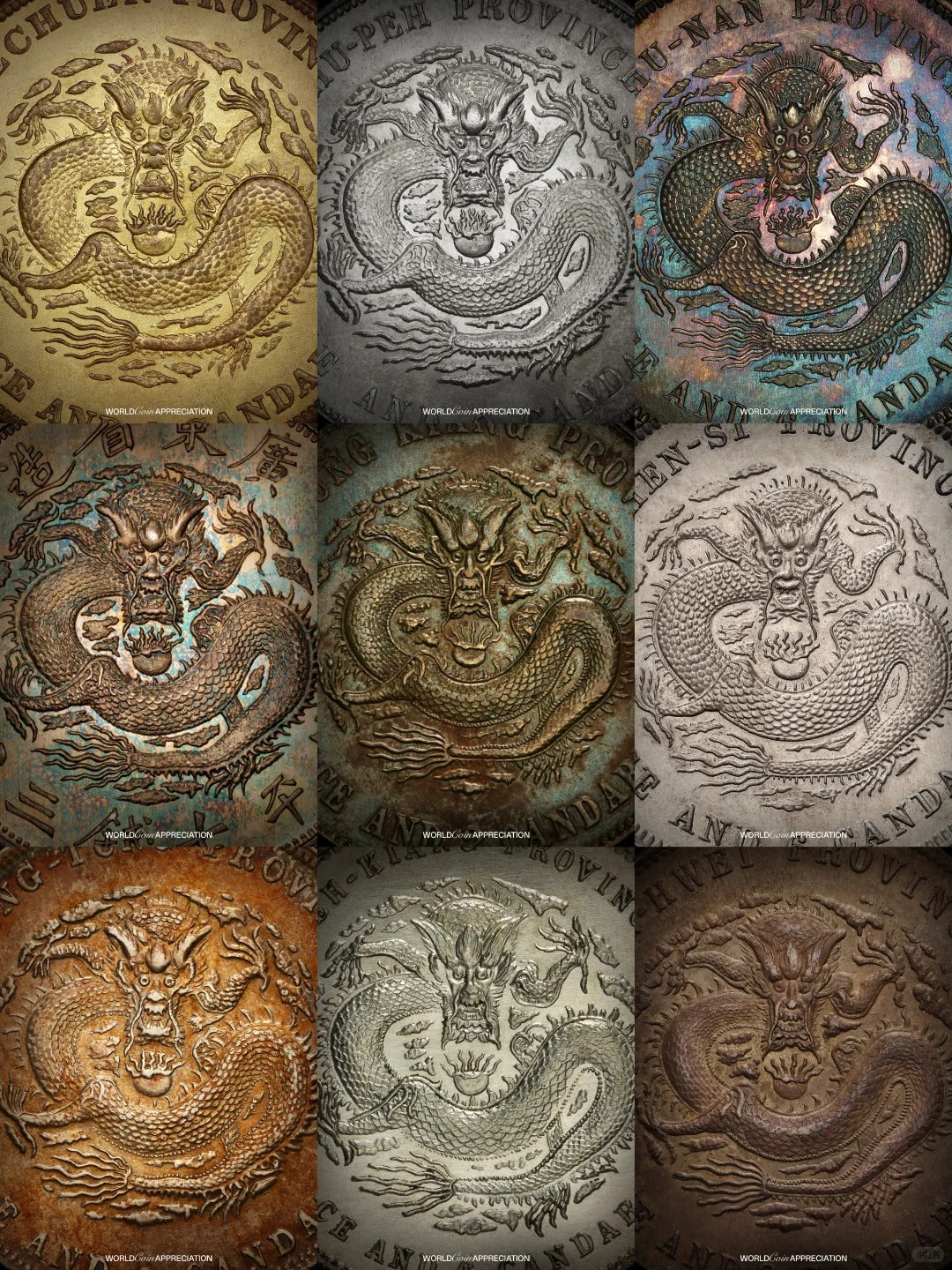
Separate the Qing dragon dollars before classification
Turn a group into an itemised list instead of combining weights, dimensions or condition. Place a period attribution with background notes and reserve the physical section for what each numbered coin shows.
- Photographs: complete circumferences on both faces and located dragon details
- Condition: visible mintmarks, applied chops, piercings and altered-rim areas
- Attachments: paper sleeves, grading holders and old labels
Explain the effect before any contact examination. Date supporting documents independently, omit conclusions that images cannot sustain and record restrictions on opening or handling.
Keep every close-up locatable
Coins sold under one dragon-dollar name may carry different provincial mints, dates, values or dragon types. Sort the visible legends before considering fine varieties and list unreadable areas.
Cover the entire edge in overlapping sections while preserving joins, rim work, holes, solder and former-mount traces. Keep the first readings and native units.
Use the coin number on whole views, details, measurements, packaging and papers. Later additions can then be attached without crossing between specimens.
An unresolved name need not prevent documentation
Enter the current name, legible wording, design, dimensions or weight, enclosure and visible condition. Mark a hidden field for follow-up.
For several dragon dollars, group the visible provincial mint, reign date and Kuping value first. Each inscription side, dragon side, edge, weight and diameter stays with one identifier.
Compare documents with the actual piece
Read the holder attribution and numerical grade as enclosure evidence only. The coin itself must still show the mint, date, denomination and proposed dragon variety; record each surface or edge area that the plastic conceals.
Copy the provincial mint or mint name, date inscription, Kuping value and legends before comparing dimensions within the same established type.
Give every issue, production or historical statement an identifiable reference and access date; old labels, oral accounts and web images remain research aids.
Decide which details need examination in hand
Describe patina, circulation rub, weak strike, wiping lines and chemical-cleaning colour as separate surface observations. Darkness by itself does not justify cleaning.
Original image files can classify and locate obvious damage, although composition, fine repairs and holder-covered areas may still need direct inspection.
When Provincial Legends Narrow a Qing Dragon-Dollar Group
Begin with the complete faces and dragon details, then connect patina, wear, knocks and possible cleaning to the same number. Dragon scales, beaded border, denticles and English wording remain with that coin.
After one pass, match paper sleeves, holders and labels to the correct dragon, border and lettering. Give conversions, recollections and later information their own dates.
Photographs can support inscriptions, design, proportions and prominent damage without necessarily settling metal, concealed cracks or subtle surface work.
Leave every coin unwashed, unpolished, unscraped and unfiled at the rim. Do not open a sealed holder until its connection and the consequence of opening are clear.
When an enquiry contains many images, sort them by item number and then check the provincial mint, date and Kuping wording for omissions.