
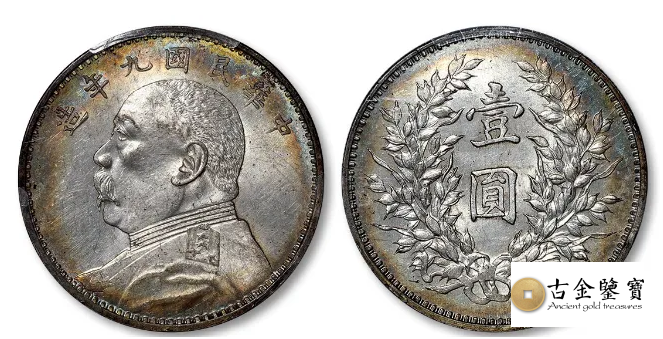
Begin with complete views of the Republic Year 9 coin
Make each photograph traceable to this Yuan Shikai dollar. Transcribe the date, denomination and wording on the portrait and grain-wreath faces before applying the proposed fine-hair variety name.
Match packaging and certificates to the coin individually. Keep the entire edge sequence, weight, diameter, measuring tool and unit with its identifier.
Map any mintmark separately, then document each chop, perforation and worked edge without assuming its cause. A feature blocked by the holder or unsupported by a source remains open.
Describe the coin before refining the variety
State the proposed name, legible inscriptions and designs, dimensions or weight, current packaging and surface condition. Mark any missing feature for direct review.
Read the date, denomination and wording on both faces, then compare only with the same coin format. Physical dimensions detached from the correct specification can mislead.
Connect complete images, details and measurements
Distinguish stable toning from high-point loss, an incomplete strike, fine wipe marks and colour that may reflect chemical treatment. Do not clean a dark surface or infer condition from another example.
Keep chop marks, an old sleeve and provenance accounts as background. They cannot replace the portrait lettering, wreath, strike, metal surface or edge, and any contact examination needs its effect explained first.
Use the coin number on overall images, located details, dimensions, packaging and documents. This allows later evidence to be added without mixing two dollars.
Distinguish references from evidence on the coin
Photograph both complete faces and circumference before adding details of the portrait hair, epaulette, date lettering, grain wreath, denticles and proposed variety markers.
Sort several portrait dollars by date and visible features, assigning a number to each. The two faces, edge sequence, weight and diameter must stay with the individual example.
Cite a source and consultation date for production, issue or historical claims. An old label, oral account or online photograph offers a lead, not a missing diagnostic.
Protect the original surface and edge
Terms such as signed, O variety, triangular-round or local issue belong in the description only if their diagnostic can be located. Preserve uncropped images before making a finer attribution.
Original photographs may support classification and obvious damage, while metal, minute repairs and concealed features may require direct examination. Define the unresolved question before touching the coin.
A focused review of the proposed Year 9 fine-hair variety
Start with complete faces and surface preservation. Connect the date, denomination, portrait-side wording, reverse wording, wreath, knot, value characters and diagnostic details to the same coin.
Map every visible mintmark, chop mark, hole or altered edge, and keep paper sleeves, grading holders and old labels separate. A group image can establish quantity but not the attributes of one dollar.
Attach the tool and unit to each reading, and locate every close-up on the complete face. If either connection is missing, postpone the conclusion it would support.
Before opening a holder, touching the surface or applying a test, identify the location and possible effect. Preserve the existing enclosure and coin surface while the need is considered.
For an enquiry, supply the year, denomination, portrait lettering, complete edge, dimensions and packaging. Leave a missing diagnostic unassigned rather than guessing the variety.
