
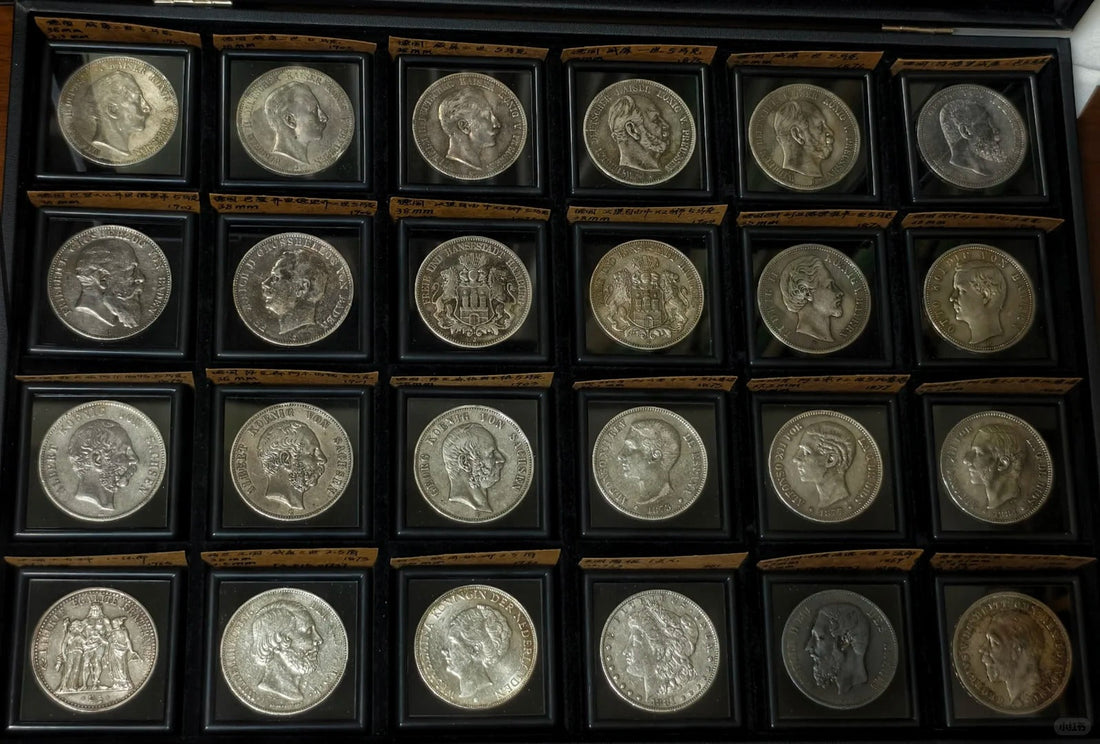
Separate every chopmarked silver coin
Create one record per coin rather than combining dimensions or condition across a group. Keep period claims in the background field and write only visible metal evidence in the object fields.
- Condition: chopmark, countermark, hole and rim-work locations
- Identity: date, denomination and proposed type still awaiting proof
- Photographs: complete circumference, denticles and edge sequence
Name every file with the coin number and list unsupported fields explicitly. Record any holder or contact restriction instead of treating it as evidence.
Keep the chopmark in its spatial context
Coins sharing a broad name may differ by date, denomination or mintmark. Group them by visible features before comparing chopmarks, wear or provenance.
Photograph the full edge in overlapping arcs and retain joins, filing, perforation, solder and jewellery-conversion traces. Never smooth an edge for clarity.
Store complete faces, located mark details, measurements, package and papers under one coin number. Later images are appended with dates.
Build an open identity record
Enter the working name, readable legends, designs, available dimensions, enclosure and surface condition for the chopmarked coin. Keep an unclear type provisional.
Number multiple coins before grouping visible dates, denominations and designs. The two faces, full edge, weight and diameter of each remain independent.
Make the paperwork answer to the metal
Copy a grading label and score as source data, then compare the enclosed coin's type, date, variety and surface without opening the holder.
Transcribe visible date, denomination, legends and principal designs before interpreting weight or diameter. A chopmark does not supply a worn inscription.
Place an identifiable reference and its consultation date beside every claim about issue or manufacture. Old sleeves, oral accounts and online pictures remain research notes.
Know what photographs cannot settle
Describe original surface colour, flat high points, incomplete striking, directional hairlines and suspected chemical colour as distinct observations. Preserve the uncleaned surface for comparison.
Original files can locate chopmarks and conspicuous damage, while metal composition, fine repair and holder-covered edge evidence may require direct examination.
Read each chopmark through its displaced metal and surrounding design
Locate every chopmark, countermark and hole on an uncropped face by clock position or adjacent legend. The nearby design shows whether metal was displaced, lost or merely hidden by toning.
Record shape, orientation, depth cues and the direction of displaced metal under raking light. A statement that the coin is old or worn cannot reproduce those observations.
Map rim work and the complete circumference separately from cleaning lines, knocks and general wear. Where one alteration crosses another, retain both locations instead of assigning a single cause.
Keep sleeves, grading holders, old labels and oral provenance as related source records. Their wording cannot create a mark that is absent from the metal.
Before review, trace the same coin number through both faces, edge, readings and each oriented chopmark detail. Any mark that cannot be relocated remains outside the summary.
