
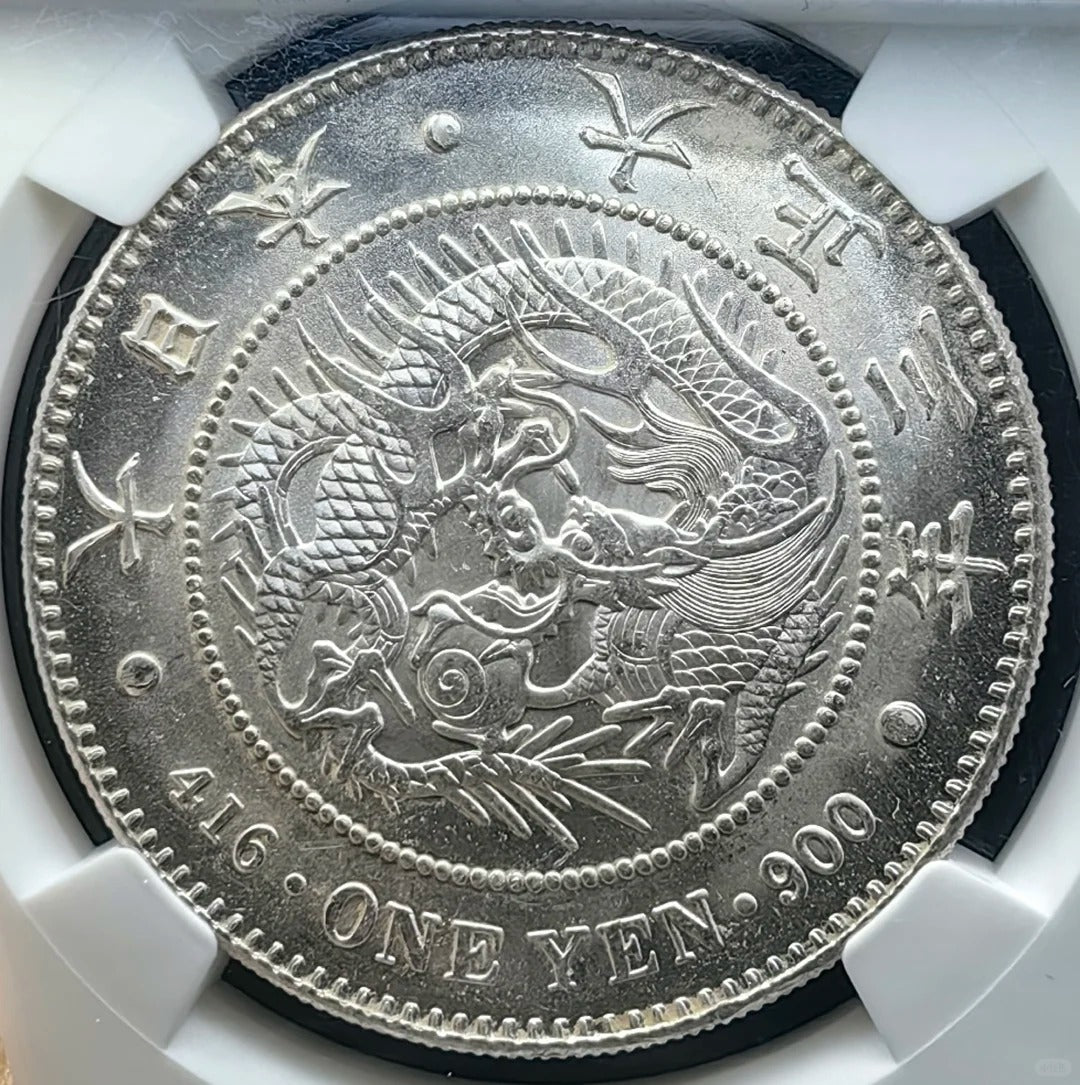
Let the coin establish its own trade-silver identity
Set down one coin at a time and photograph both faces squarely. A familiar trade name is useful only after the date, denomination, issuing authority or region and principal design can be read together.
- Date and denomination — transcribe the visible wording in its original order, marking any worn passage as unreadable.
- Authority or region — retain the characters, alphabet and punctuation shown on the metal rather than translating them into a premature attribution.
- Principal design — describe the portrait, standing or seated figure, eagle, dragon, ship, wreath or other device actually present.
Give the piece a reference number before taking close-ups. The two full faces, edge sequence, measurements, holder and old envelope should all return to that number.
Photograph the whole edge, not a persuasive fragment
Choose a recognisable starting point and work around the circumference in overlapping frames. Keep the direction consistent so reeding, lettering, seams, knocks, filing or an old mount cannot disappear between images.
Show weight, diameter and thickness with the instrument and original unit. These readings can test a supported identification, but they cannot supply an authority or denomination missing from the coin.
Separate surface history from coin type
Record toning colour and distribution before discussing wear, strike softness, scratches, wiping hairlines or cleaning-related brightness. Dark silver is not, by itself, dirty silver.
Locate chop marks, punches, holes, solder and altered rim areas on a full view, then add details under neutral and raking light. Never polish an impression merely to make its outline stronger.
If the piece remains inside a sealed holder, name every concealed area. A label may guide the comparison, but the hidden edge and metal should stay unresolved until direct examination is justified.
Keep provenance useful but in its proper place
Photograph old paper sleeves, collector numbers and accompanying notes separately. Transcribe their wording exactly and distinguish it from observations made on the silver.
A family account or former catalogue name can help trace ownership. It cannot replace a weak date, complete a worn legend or prove that a chop mark was applied in a particular place.
When adding historical or mint information, identify the reference and consultation date. The research should explain context without silently lending another specimen's features to this one.
Compare broad families in a disciplined order
Begin with the full legends and central devices, then move to denomination, date, border and edge. This order prevents a shared word such as ‘dollar’ from collapsing several trade-coin families into one.
A comparison image should point to a location worth checking. Keep the comparison coin's weight, colour, damage and minor design details out of the subject coin's description.
Test the trade-silver name against the legends and edge circuit
Read the face legends and date once more, then reconcile both photographs, the continuous edge, first measurements and packaging against the item number. Any conflict should remain visible until a repeatable observation explains it.
List confirmed wording, proposed attribution and unresolved features under separate headings. A reviewer can then see exactly where evidence ends and interpretation begins.
Retain original image files before cropping or adjusting exposure. A later close-up may improve legibility, but it should not erase the first record of colour and surface texture.
For a group, count and number every coin individually. Similar pieces may be arranged together only after each retains its own faces, edge, dimensions and condition map.
Leave toning, old envelopes and stable holders intact at handover. No dip, abrasive, scratch test or edge filing is needed to make a trade-silver description useful.
