
 WhatsApp item photos
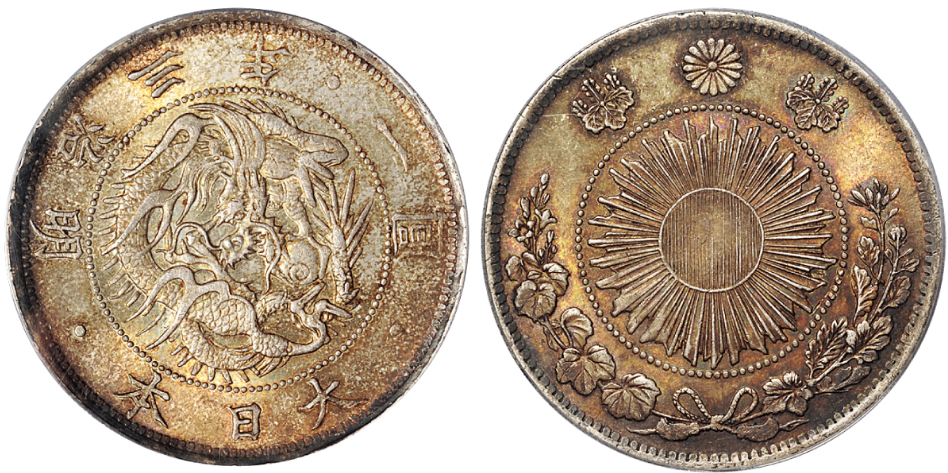
Decide what this silver-dollar file can prove
Start with the coin as found. Its working name, legible date, denomination, mintmark, principal design and enclosure belong in the opening record; anything not visible should remain open.
Evidence available now
Secure uncropped images of both faces and note the original weight and diameter with their tools and units. Match packaging, certificates and labels to the item number without treating them as part of the coin's design.
Questions to leave for later
List every obscured inscription, incomplete edge section or unsafe measurement. Do not clean, file or remove the coin from a sealed holder simply to fill a blank space.
Move from overall views to located surface details
Read the date, denomination and wording across both faces before enlarging a mintmark. A diagnostic close-up needs enough surrounding design to show exactly where it sits.
Distinguish stable toning from worn relief, incomplete strike, wipe lines and colour suggestive of chemical treatment. Darkness by itself says nothing about authenticity or the need for cleaning.
Photograph chops, holes, rim knocks, solder and altered areas under neutral and raking light. Map each feature back to an uncropped face or edge frame.
Keep measurements repeatable
Record weight, diameter and thickness only with the instrument, unit and contact points visible. When a reading changes, repeat the setup and preserve both dated results.
Cover the edge in an ordered run of overlapping photographs. Use one starting landmark and direction so a seam or worked section cannot disappear between frames.
Let a supported coin type guide dimensional comparison. A number that resembles a catalogue specification cannot establish a missing date, denomination or mint.
Separate background information from direct observation
Transcribe an old sleeve, auction note or family account as background. It may help locate a reference, but the inscriptions, design and metal surface still need to agree with the proposed name.
Cite any issue or production claim with the source and access date. Online photographs are useful for identifying positions to inspect, not for importing another coin's features.
Give every piece its own evidence trail
Number coins individually even when they arrived in one box. Keep the two faces, complete edge, measurement card, holder and damage photographs under the relevant number.
A slab contributes a label and grade. Compare those statements with the date, design, mintmark and visible condition of the enclosed piece, while leaving blocked areas unresolved.
Final checks for an unattributed or partly attributed silver dollar
Ask another reader to locate the date, denomination, mintmark, major devices and every edge anomaly from the file alone. If a detail cannot be found, add a locating view rather than a stronger adjective.
Review condition by position: field, portrait or dragon relief, rim and edge. Replace vague summaries with observations such as high-point loss, parallel hairlines or a repaired perforation.
Keep the first images and measurements when new evidence arrives. Later interpretation should be dated and added as a separate layer, preserving the route by which the attribution changed.
Photographs may settle legible design and obvious damage but still leave metal, concealed repair or faint tooling uncertain. State which question requires direct examination.
Close the file without altering the coin. An honest unresolved point is part of the record, not a defect to be erased by polishing, scraping or an unsupported catalogue match.