
 WhatsApp item photos
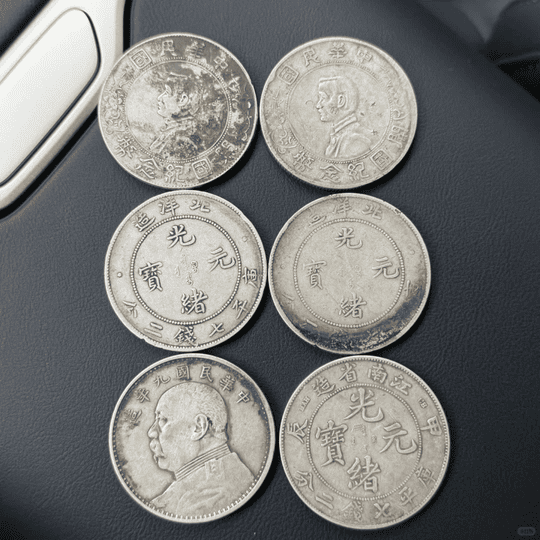
Sort the silver dollars before comparing them
Number every coin in a group before applying a shared name or total. Oral dates belong in background; the object field starts with what can be read and seen.
- Measurement: save weight, diameter, instrument and original unit
- Imaging: save both complete faces, low-angle views and located damage
- Identification: leave an unresolved type or variety visibly open
Check the number again before each stage. State packaging or contact restrictions rather than converting an unsupported observation into a finding.
The record concerns the silver dollars themselves, not the witnesses or outcome attached to a case story.
Specifications are supporting evidence
Group the numbered coins by visible year, denomination and principal design. Their own obverse, reverse, circumference, weight and diameter must remain together.
A slab's label and grade can be transcribed, while the coin type, date, proposed variety and exposed surface are checked independently.
Read the legends and designs before measuring
Transcribe the year, denomination, face inscriptions and main motifs first. Only then compare dimensions with a reference for the same working type.
Take full-rim views of both sides before details of characters, portraits, dragons, ships, denticles or mintmarks. Every crop needs a location.
Follow the entire edge after the faces
Make overlapping circumference images and leave seams, filing, holes, solder and old mounting traces untouched.
Record colour, high-point wear, incomplete strike, cleaning lines and unusually bright patches as separate observations. Keep native measurement values beside them.
Keep holders and provenance outside identification
Countermarks, sleeves and inherited descriptions can be useful context. They cannot replace the object's legends, designs, metal surface or rim.
Coins with the same collector name may differ in date, denomination or mint detail. Sort the visible evidence before comparing condition.
A repeatable review route for silver dollars
Start with the complete coin and located close-ups. Keep instrument readings and visible alterations under its number so one coin's data cannot migrate to another.
For a batch, an overall photograph documents quantity and arrangement. Each unresolved name, denomination, edge and holder restriction still needs an individual record.
A value without its tool and unit is incomplete, and a close-up without a whole-face location is unsafe to use. Leave the conclusion blank until both can be restored.
Before opening, testing or touching metal, identify the obscured area and the question being investigated. Maintain the current packaging and surface until then.
For consultation, bring the four evidence groups: complete views, located details, measurements and enclosure records. Add missing angles without altering the coin.