
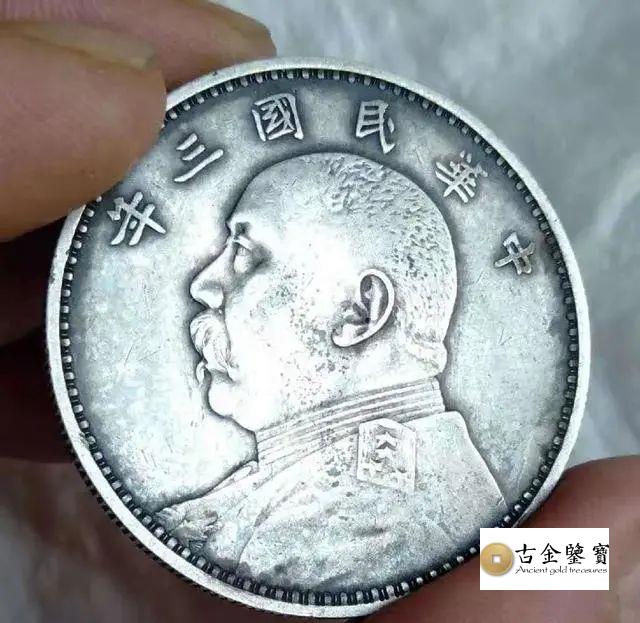
One silver dollar, one chain of evidence
Keep complete views, details, measurements and accessories under the same object number, then use a checklist to identify what remains missing.
- Identification: visible year, denomination, face legends and main designs
- Condition: patina, wear, knocks and possible cleaning by location
- Imaging: uncropped faces, low-angle surface views and damage details
Number the enclosure separately and transcribe its old label as a source claim. Never complete an unknown field from a look-alike coin.
Open the card with the observable object
Enter the working name, readable inscriptions, principal motifs, dimensions, current holder and condition. State any edge section that remains hidden.
Photograph the circumference in overlapping parts, preserving seams, filing, holes, solder and former mounting traces.
Connect full views, details and measurements
A slab contributes a printed attribution and grade; compare these with the enclosed type, date, proposed variety and visible surface.
Read the year, denomination, both face legends and principal design before comparing weight or diameter. A specification only helps after the type is established.
Store whole views, close photographs, instrument readings, enclosure and documents as one numbered set, while retaining native units.
Give provenance a separate route
Record toning, circulation wear, incomplete strike, wipe marks and chemically altered brightness independently. Do not clean a dark coin.
Countermarks, sleeves and inherited descriptions can remain as provenance, but cannot replace examination of the inscriptions, design, metal or rim.
Add a named source and consultation date to issue or historical statements. Treat web images as comparison leads.
Preserve the object while filling gaps
Take both full faces with their rims before details of characters, portrait, dragon, ship, denticles, mintmarks or other issue features.
Photography can locate damage; composition, subtle repair and holder-covered areas may still require an experienced reviewer to see the actual coin.
Make the year, designs and edge identify this silver dollar
Read the visible year, denomination and legends from complete faces, then name the portrait, emblem, wreath or other principal design that occupies each side. An indistinct character stays open rather than being borrowed from a catalogue.
Join overlapping edge sections from a fixed starting point and keep them with the coin's raw weight, diameter, instruments and original units. A hidden or filed arc is a recorded limitation, not a completed type marker.
Use raking light to locate wear, toning, cleaning lines, knocks and possible repair against the nearby lettering or design. Preserve the surface so a later examiner can revisit the same evidence.
Copy old-holder and label wording into dated source fields, including any serial or seal. The metal must independently support the year, design and proposed silver-dollar category.
Present the open questions by face and edge position: unread character, uncertain motif, concealed circumference or altered surface. The original image set remains beside every clearer later view.
