
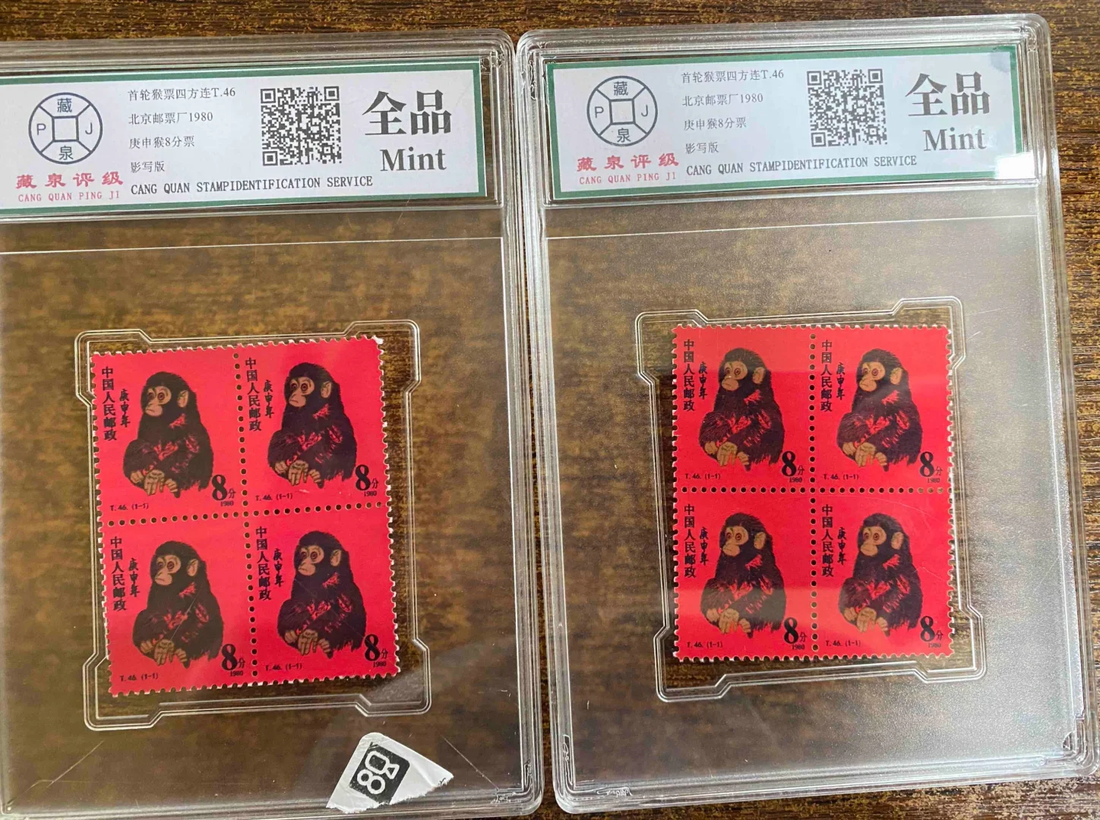
Separate stamp formats before describing them
When more than one philatelic item is present, assign a number to each loose stamp, set, block, souvenir sheet, full sheet or cover. Establish front, back and album orientation first.
- Identity: issue code, denomination, design title and sourced issue data
- Format: loose stamp, set, block, souvenir sheet, full sheet or cover
- Condition: foxing, mould, crease, thinning and missing perforations
Keep unfiltered originals and distinguish raw measurements from conversions. State any seal, mount or adhered page that prevents safe viewing instead of forcing access.
Build the first stamp card from visible evidence
Record the working name, readable text, design, dimensions, enclosure and present condition. Any covered margin or reverse area remains unresolved.
For a cancelled stamp, retain the date and place with the whole item; for a postal cover, preserve front, back and seal. Do not cut a stamp away for convenience.
Connect complete views to local details
Compare issue year, code, paper, printing and set count before grouping similar designs. A shared subject does not establish that two items belong to the same issue.
Photograph gum gloss, hinge traces, thinning and suspected added gum under low-angle light without wetting or pressing the back. Keep uncertainty explicit.
Store overall views, located details, dimensions, album position and papers under the philatelic item number. Add later images as dated layers.
Place issue history outside physical observations
If an album page shows moisture or mould, isolate it with air circulation. Avoid heat, direct sunlight and cleaning agents, and record where the page remains adhered.
Transcribe the issue year, code, denomination and stated set count from an identifiable reference, then separate loose stamps, blocks, sheets, souvenir sheets and covers.
Attach a source and consultation date to production or historical information. Handwritten captions and web images remain research indexes.
Preserve album sequence and paper structure
Photograph the album from its cover through each page, retaining page numbers and order. Stop turning pages if damp stamps or interleaving have bonded.
Original photographs can show format and obvious damage, while paper, gum and fine repair may still require direct philatelic examination.
Keep issue code, format and gum on the same philatelic item
Transcribe the issue code, denomination and design title from the item, then compare them with a named issue source. A stamp, block, sheet, souvenir sheet or cover retains its own format and number.
Map short or missing perforations, foxing, mould and creases on complete face and reverse views before measuring the overall and design areas. Do not handle brittle paper merely to fill a dimension field.
Describe gum gloss, hinge traces, thinning and possible regumming as physical observations. An album caption or certificate may preserve provenance, but it cannot establish the reverse condition.
When a document conflicts with the visible stamp, retain both wordings and dates. Leave the issue or format open instead of completing it from a similar design.
Match the album page, perforation map and gum photograph to the item's identifier. Any adhered or pocketed area remains sealed and explicitly unobserved.
