
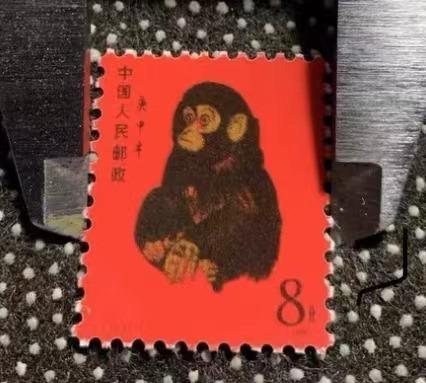
One philatelic item, one image set
Retain the unfiltered, unsharpened photographs. Give each item an identifier and use it for every later overall view, detail, measurement and attachment.
- Format: single, set, souvenir sheet or full sheet
- Markings: marginal inscription, printer's imprint, cancellation and used-cover details
- Issue evidence: code, face value, design title and source information
Number the enclosure separately from the stamp or cover and check image direction. Do not complete an uncertainty from a similar item, and state anything hidden by packaging.
Photographs must preserve position
If an album leaf shows moisture or mould, isolate it from unaffected paper and maintain gentle ventilation. Do not use hot air, direct sunlight or cleaner to accelerate drying.
Check the issue year, code, face value and number in the complete set. Separate singles, blocks of four, full sheets, souvenir sheets and used covers while keeping each identifier intact.
Apply one number to the complete outline, located close-ups, measurements, enclosure and documents so later material cannot migrate to another stamp.
An uncertain name can remain provisional
Write down the working name, legible text, design, dimensions, present mount and visible condition. Anything indistinct remains open for another comparison.
Differences in gum sheen or paper thickness may indicate original gum, hinge remnants, thinning or regumming. Photograph the reverse without water or finger pressure, and explain any proposed contact.
Match documents to the exact item
Photograph an album from the cover through every numbered leaf, preserving the original order. If damp adhesion is present, stop turning pages rather than forcing a stamp loose.
Old handwritten notes, packets and album order may help trace provenance. When protective film has deteriorated, photograph the leaf structure before moving it.
Any issue, print or historical claim should carry an identifiable reference and the day it was examined. Treat old labels, oral accounts and web images as research aids.
Which details may need direct inspection?
Examine short, missing, folded or reperforated edges, while a full sheet should retain margins, marginal inscriptions, colour marks and perforation joins. A similar item cannot fill a missing view.
Images can establish broad format and obvious damage. Paper, fine repairs and areas concealed by a mount may still need direct philatelic inspection.
How Stamp Format, Gum and Condition Interact
Start with the exact format—single, set, souvenir sheet or full sheet—then locate foxing, mould, creases and perforation loss. Keep the two observations separate so condition does not alter the format description.
Match issue code, face value, design title and issue information separately from gum, hinge remnants, thinning and regumming. Neither group should imply an unsupported conclusion.
Describe condition by position: the affected corner, margin, perforation run or join. Phrases such as 'good condition' or 'signs of age' are too broad for a repeatable comparison.
Count each item by identifier at handover and keep original packaging and documents with it. Oral information remains context and must not replace visible features.
Before an enquiry, confirm that the item number, photographs, complete-set count and sheet-margin evidence agree. Leave any unresolved gum or paper issue for direct viewing.
