
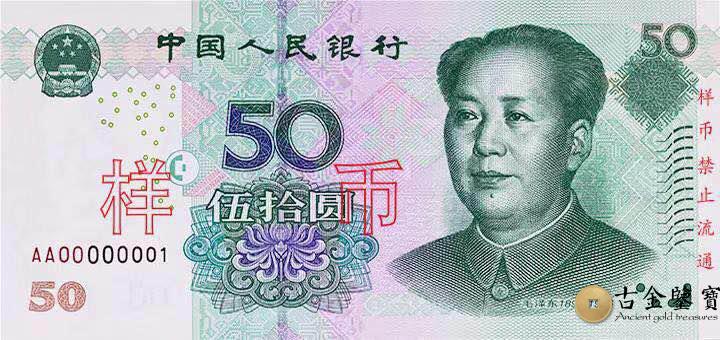
Begin with the complete 1960 Third Series Renminbi Lathe Worker 2-yuan note
Lay the note flat on a clean, dry support and photograph both faces with all four corners and edges visible. Read the 1960 date, printed 2-yuan value and Lathe Worker design from that same note.
Copy the prefix and serial only where present and legible. Keep the full number with the uncropped face rather than presenting a detached enlargement that could belong to another note.
Give each banknote its own reference number, even when several came from one album. A group photograph records quantity; individual records establish design and condition.
Separate printed features from paper condition
Record the main design, denomination, inscriptions and print layers under neutral light. Use transmitted light only when a paper or watermark feature is actually visible, and show the whole note's orientation.
Describe corners, folds, edge wear, stains, foxing, pinholes, tears, washing, pressing and repairs by position. Do not flatten a crease or erase a stain before photography.
Retain any album page, envelope, certificate or booklet with its note number. Packaging can explain storage history but does not replace features on the paper.
Keep serial and variety questions disciplined
Transcribe visible characters exactly and mark unclear ones with a gap. Do not infer a prefix, serial sequence or finer variety from another 1960 note.
If a comparison mentions a watermark or printing distinction, return to this note under the appropriate light. Leave the point open when the photograph cannot demonstrate it.
Photograph vulnerable areas without causing new damage
Support the sheet fully and add close-ups of folds, corners, pinholes and repaired sections. Use soft raking light for raised fibres or pressing, but never lift an adhered edge by force.
Avoid tape, glue, erasers, water and household cleaning products. A visually neater note may carry less reliable evidence after treatment.
Retain the first front, back and transmitted-light files before changing a mount or sleeve. Later images should add evidence, not erase the original paper and storage context.
Use related material without borrowing condition
A Third Series guide may help locate denomination, design and serial positions. It cannot supply the paper, corner condition or treatment history of the note in hand.
Cite any issuance or production statement with its reference and access date. Keep those historical notes separate from direct paper observations.
Know the limit of remote review
Clear images can establish the broad note type, serial position and obvious damage. Paper feel, subtle repairs, washing and concealed adhesion may require examination in person.
State which surface or edge remains hidden by a mount. Preserve the album or sleeve until the removal risk has been assessed.
Check the date, 2-yuan denomination, Lathe Worker design, serial, full edges and paper observations against the item number. Each detail photograph must be locatable on an uncropped face.
Keep original and later photographs in dated order. Changes in lighting should not be mistaken for changes in paper colour or print.
Record repairs as visible construction, not as a judgement of motive. Note fibres, adhesive, patching and inaccessible mounted areas; cite guide-based claims clearly and leave risky removal to a paper specialist.
