
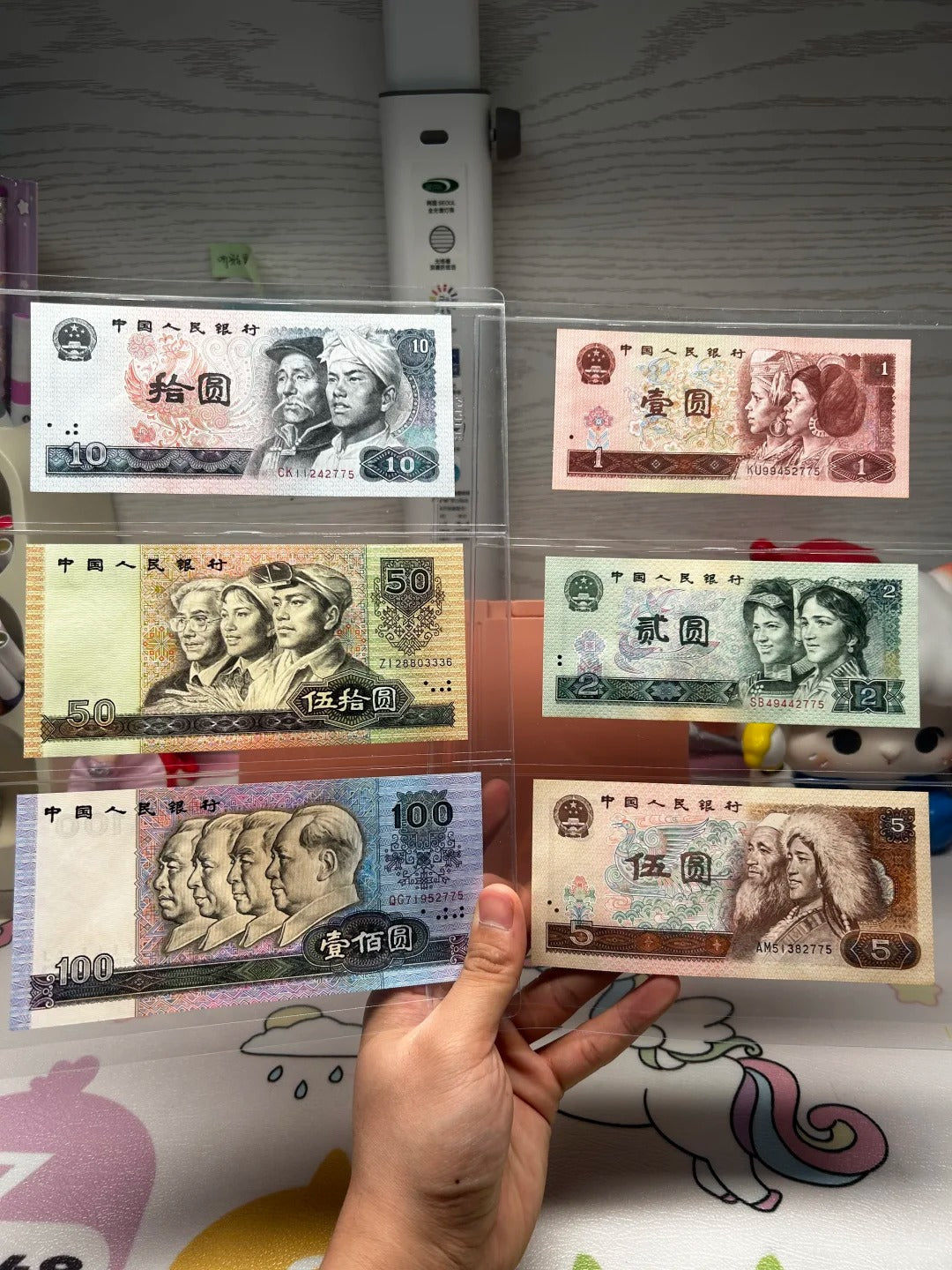
In 2018, the People's Bank of China announced that some denominations of the fourth series of Renminbi would cease to circulate, causing a surge in the collectibles market. However, the equation"demonetized = valuable"is overly simplistic—for the same denomination, the market price of different serial number prefixes can vary by more than tenfold. This article clarifies which serial number prefixes have actual collection value and which are merely hype.
Quick Conclusion:When choosing old banknote buyback services, the most important things to check are whether the inspection process is transparent, whether the quotation lists each item individually, and whether the settlement method is clear.
Basic Knowledge of Serial Number Prefixes
The serial number of the fourth series of Renminbi consists of a"prefix"(two letters) + a"serial number"(eight digits). The types of prefixes sought after in the market mainly include:
1. First Issue Prefixes (CP, CQ, CR, etc.)
The first batch of printed prefixes for each denomination. Moderate rarity, with a premium of about 30-80%. A brand new 100-yuan note with the first issue prefix CP can fetch HK$800-1,200 on the market (face value about HK$90).
2. Replacement Prefixes (JZ, ZJ, and other prefixes containing Z)
Special batches used to replace defective notes during the printing process. The mintage is much smaller than regular prefixes. Replacement prefixes command the highest premium, with some rare replacement prefixes reaching 20-50 times their face value.
3. Special Numbers
- Leopard Numbers(ending in 888, 999): Premium of 2-5 times
- Lion Numbers(ending in 8888, 9999): Premium of 5-15 times
- Kirin Numbers(all identical numbers like 88888888): Extremely rare, starting from five-figure Hong Kong dollars
- Birthday Numbers(e.g., 19850315): Have personal commemorative value, premium of 1.5-3 times
Key Varieties by Denomination
| Denomination | Version | Brand New (Common Prefix) | First Issue Prefix | Replacement Prefix |
|---|---|---|---|---|
| 100 Yuan | 1980 Version | HK$1,500 | HK$2,500 | HK$8,000+ |
| 100 Yuan | 1990 Version | HK$300 | HK$500 | HK$1,500 |
| 50 Yuan | 1980 Version | HK$4,000 | HK$6,500 | HK$15,000+ |
| 50 Yuan | 1990 Version | HK$200 | HK$350 | HK$800 |
| 10 Yuan | 1980 Version | HK$80 | HK$150 | HK$500 |
| 2 Yuan | 1980 Version | HK$60 | HK$120 | HK$400 |
Risk Warnings
There are several risks to be aware of in the collection market for the fourth series of Renminbi:
- Fake Prefixes: Some unscrupulous merchants use chemicals to alter serial numbers, changing common numbers into leopard numbers. It's necessary to use UV light to check the consistency of the ink.
- Condition Traps: The definitions of"brand new"and"perfect"vary among different merchants. PMG grading is the most objective standard.
- Liquidity: The liquidity of common prefixes of the fourth series of Renminbi is low, and a significant discount may be required when selling.
Information to Verify Before Choosing a Service
- Inspection Method:Confirm that the other party will explain the inspection tools, criteria for judgment, and that verbal estimates alone are not sufficient.
- Quotation:Request a quotation that lists the type, condition, weight or version, deduction items, and the final net amount received.
- Settlement Security:Before on-site or in-store transactions, confirm the payment method, identity verification, receipt, and confidentiality arrangements.
The value of service-oriented articles lies in helping you check if the process is transparent; before a formal transaction, you should ask the other party to itemize the inspection methods, pricing basis, and payment methods.
Service Quotation Boundary (2026-06-03)
The commitment to a service process does not mean that every collectible has a fixed purchase price. Before a formal transaction, calculations should still be made item by item based on the authenticity, condition, purity, weight, version, grading results, and the current achievable price of the physical item.
Frequently Asked Questions
How to determine if a buyback service is transparent?
See if the other party is willing to explain the inspection methods, quotation components, deduction items, and payment methods item by item, rather than just giving a lump sum price.
What should I prepare before an on-site transaction?
First, clearly photograph the collectibles, organize the quantity and source information, and confirm the transaction location, payment method, receipt, and privacy arrangements.
