
 WhatsApp item photos
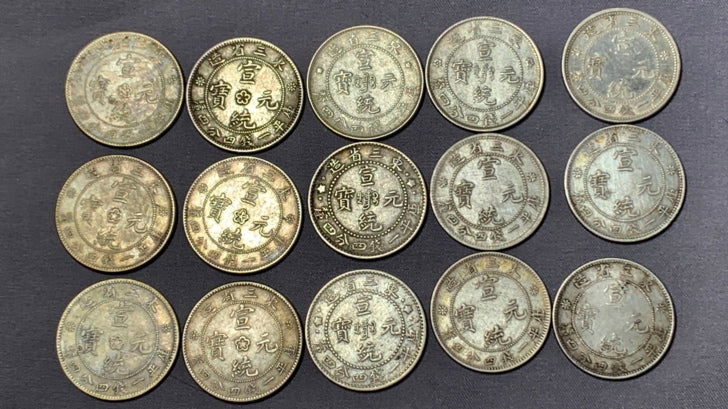
Write visible Xuantong Yuanbao evidence before naming a variety
Do not identify the coin from an old label or matching web image. Begin with the provincial mint or mint name, date, Kuping value and legends, retaining camera direction and coin number.
Place the complete edge, weight, diameter, instrument and native unit under measurements and reconnect them to the same piece.
Details still awaiting confirmation
If mintmarks, chops, holes or altered-rim areas are incomplete, first make sure holder and coin numbers agree. Mark illegible wording, unsupported claims and sealed sections separately.
Secure whole views before surface close-ups
Countermarks, paper sleeves and provenance accounts can be retained as context but cannot replace the legends, dragon, beaded border, surface and edge. State packaging limits.
Capture uncropped inscription and dragon faces, then add located details of the dragon, border, denticles, English wording and denomination. Do not complete a gap from another coin.
Use one identifier for complete views, positioned details, measurements, packaging and documents so later additions stay with the correct piece.
Leave unknown classification fields open
Group several dragon dollars by visible provincial mint, date and Kuping value before numbering. Keep inscription face, dragon face, edge, weight and diameter linked.
A shared dragon-dollar name may hide different mints, dates, values or dragon designs. Sort the actual legends before finer comparison.
Any issue, production or historical statement requires an identifiable reference and access date; labels, recollections and online images remain leads.
One physical coin for each description
Open the Xuantong Yuanbao record with the characters that can actually be read, its principal motifs, measured dimensions or weight, enclosure and observed surface. Put features behind plastic or shadow on a dated follow-up list.
Distinguish natural patina, circulation rub, weak strike, wiping hairlines and chemically altered colour. A blackened surface is not a reason to clean.
Direct Rim Examination Needs a Defined Question
Photograph the entire edge in overlapping sections while preserving joins, rim work, piercings, solder and former-mount evidence. Note what a holder hides.
Images can classify the coin and locate conspicuous damage, whereas metal, subtle repair and covered areas may still require direct inspection.
How Xuantong Surface Colour and Rim Evidence Relate
Review dragon, legends and beaded-border positions, then connect the full edge, weight, diameter, tool and unit with any visible mintmark, chop, hole or rim change.
Keep provincial mint, date, Kuping value and wording under identification and complete faces with dragon close-ups under photographs. Both return to one identifier.
If a document and coin conflict, retain both transcriptions and dates. Leave variety, period or material unresolved rather than importing it from another issue.
A repeatable checklist should let another examiner find this coin and reproduce each view. State all hidden, sealed or unsupported areas.
For an enquiry, bring the existing enclosure and records and identify missing colour or treatment views before any contact inspection.