
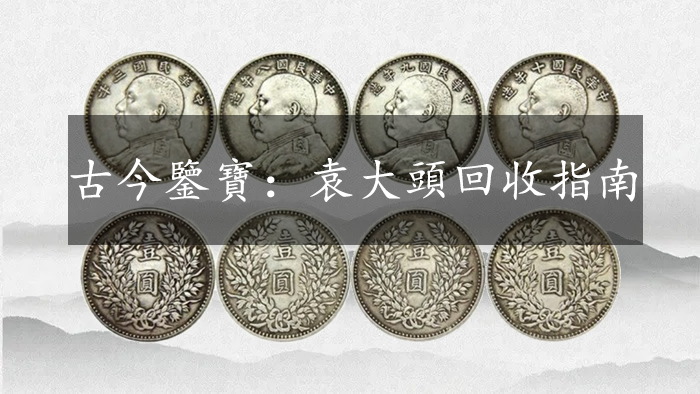
Find the gaps before naming a Yuan Shikai dollar variety
Start with what the coin itself supports. Transcribe a clear grain wreath, tied ribbons, denomination characters and possible variety markers; an indistinct detail must not be borrowed from another coin.
Evidence that can be secured now
Name each image with the coin's identifier. Mark mint letters, counterstamps, perforations and reworked rim segments, then locate each feature on the first complete photographs.
Questions that should remain open
If the paper sleeve, grading holder or old label is missing or blocks a view, state the reason. A missing angle or document stays unresolved, and the coin should not be altered merely to complete the comparison.
Transcribe visible details before interpreting them
Note a working name, legible inscriptions, principal design, dimensions or weight, present packaging and visible condition. Mark anything unclear for another look.
A grading holder supplies its label and numerical grade, not confirmation of the enclosed date, variety or surface. Explain the effect before any direct handling is proposed.
Collector shorthand cannot replace the coin
Applied counterstamps, an earlier sleeve and provenance accounts belong with the background material. They cannot replace examination of portrait lettering, the grain wreath, strike, metal surface and edge.
Secure uncropped views of the portrait side and grain-wreath side before taking close-ups of hair, epaulette, date characters, denticles and possible variety markers. Every detail must be locatable on the whole coin.
Any issue, manufacturing or historical comparison needs an identifiable reference and the day it was consulted. Old labels, oral descriptions and web images are research leads rather than findings.
Use one item number throughout
Transcribe the date, denomination and wording on both faces, then compare possible varieties within the same design. Interpret weight and diameter only after the coin type is established.
Assess the surface in separate passes: toning first, then circulation rub, weakly struck detail, hairlines from wiping and any hue suggesting chemical treatment. Darkness alone is no reason to clean the coin.
Keep overall photographs, detail images, measurements, packaging and documents under one identifier. A final check can then expose any image or reading attached to the wrong piece.
Let missing evidence determine the next step
Number a group of Yuan Shikai dollars individually, then arrange them by the dates and tentative varieties actually visible. The portrait, grain-wreath reverse, edge, weight and diameter stay with their own coin.
Images can support sorting and locate obvious damage. Composition, delicate repair and surfaces obscured by an enclosure may still need direct examination; state the likely effect before touching the coin.
How Cataloguing Errors Enter the Variety Record
First match the grain wreath, tied ribbons, denomination characters and possible variety markers to the same identifier as patina, wear, knocks and cleaning traces. Only then compare variety or condition.
Work in three passes: confirm the coin number, match the sleeve or holder, then inspect portrait hair, epaulette, lettering and denticles. Preserve the date and the first photographs at every pass.
Keep direct observation apart from later interpretation. Images, dimensions and weight establish what was seen; market names, provenance accounts and unresolved points remain supporting context.
If a photograph and measurement conflict, repeat the reading at the same position instead of choosing the convenient result. Seek direct inspection if the difference remains unexplained.
Before an enquiry, leave the coin unopened and uncleaned. Supply complete faces, an edge sequence, weight, diameter and the documents already available under the same item number.
