
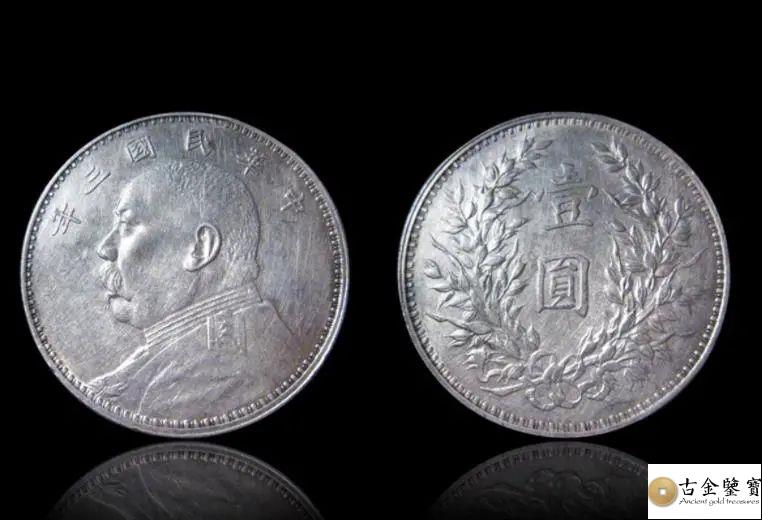
Return from labels to the Yuan Shikai dollar itself
Begin with uncropped views of both faces, raking-light images and located damage close-ups. Keep visible evidence, packaging and written or oral accounts separate; when they disagree, preserve both versions.
Under one item number, photograph the portrait hair, epaulette, lettering and denticles. Date documents independently from the coin attribution so another reviewer can repeat the same comparison.
Pair the complete edge sequence with weight, diameter, measuring tool and original unit. Confirm the image direction before comparing details, and stop any measurement or handling step that cannot be repeated safely.
Cite the basis for issue and variety information
Use names such as signed type, O variety, triangular-yuan variety or regional issue only when the corresponding feature can be located on the coin. Secure the complete views before attempting finer classification.
Photograph the edge in overlapping sections around the full circumference. Do not disturb joins, rim reshaping, perforations, solder residue or evidence that the coin once formed jewellery.
Identify the reference behind any manufacturing or historical statement and note when it was checked. An old label, family account or online image is a lead for further checking, not an attribution by itself.
Establish the coin type before finer comparison
Note the working name, legible inscriptions, main design, dimensions or weight, present enclosure and visible condition. Anything obscured remains open instead of being supplied from a similar coin.
A chop mark, paper sleeve or provenance statement may add context, but none replaces examination of the portrait lettering, grain wreath, strike, metal surface and edge.
Preserve the original readings
Start with obverse and reverse photographs that retain the full circumference. Add locatable close-ups of portrait hair, epaulette, date characters, grain wreath, denticles and any proposed variety marker.
When several Yuan Shikai dollars are present, number them before arranging the visible dates and tentative varieties. Keep each portrait, grain-wreath reverse, edge, weight and diameter together.
Apply the same identifier to overall views, close-ups, measurements, packaging and documents. Later information can then be added without drifting onto another coin.
Make a later review traceable
A grading holder contributes its label and grade, but the date, proposed variety, portrait side, grain-wreath side and surface still need comparison with the enclosed coin.
Photographs can support preliminary sorting and show obvious damage. Metal, subtle repairs and areas concealed by a holder may still require direct examination.
Counterfeit-risk checks from whole coin to edge
Begin with the grain wreath, complete edge and original weight. Add full-coin, raking-light and damage views; if the date, denomination or either face is incomplete, state exactly what is missing rather than forcing an answer.
Keep the edge sequence, weight, diameter, tool and unit together. Map each mint mark, applied chop, perforation and changed edge section, dating later conversions or recollections instead of substituting them for the first reading.
If paperwork and coin do not match, transcribe both wordings and their dates. Leave the variety, period or material unresolved, then return to the full views before considering another comparison.
The next reviewer should be able to find the same coin and repeat the check. State what remains hidden, unsafe to open or unsupported, and locate every visible mintmark, chop mark, hole or edge alteration.
Before an enquiry, recheck the date, unit and image direction across the complete and raking-light views. Where two observations conflict, retain both versions and explain the difference.
