
Record the edge label as a question first
Do not adopt Mexican Eagle Dollar-style or T-shaped edge wording from an old tag or similar online coin. Open a provisional identity field and retain the viewing direction and coin number.
Add weight, diameter, instrument and raw unit to the same record. Keep every face, edge section, holder and attachment linked to that number.
Evidence still awaiting review
List any unrecorded countermark, hole, filing or rim alteration and verify that the date, main designs and circumference share one identifier. Separate unreadable, unsupported and inaccessible details.
Build the edge sequence after complete faces
Store countermarks, old paper sleeves and ownership accounts as context. They cannot establish the visible legends, design, metal surface or edge pattern.
Retain uncropped portrait and wreath sides before adding lettering, principal design, denticle, minting-mark and edge details. Explain any contact needed to view the rim.
Keep complete outlines, located close-ups, measurements, packaging and papers together. Use a checklist to identify missing sections without filling them from another dollar.
Keep uncertain fields open
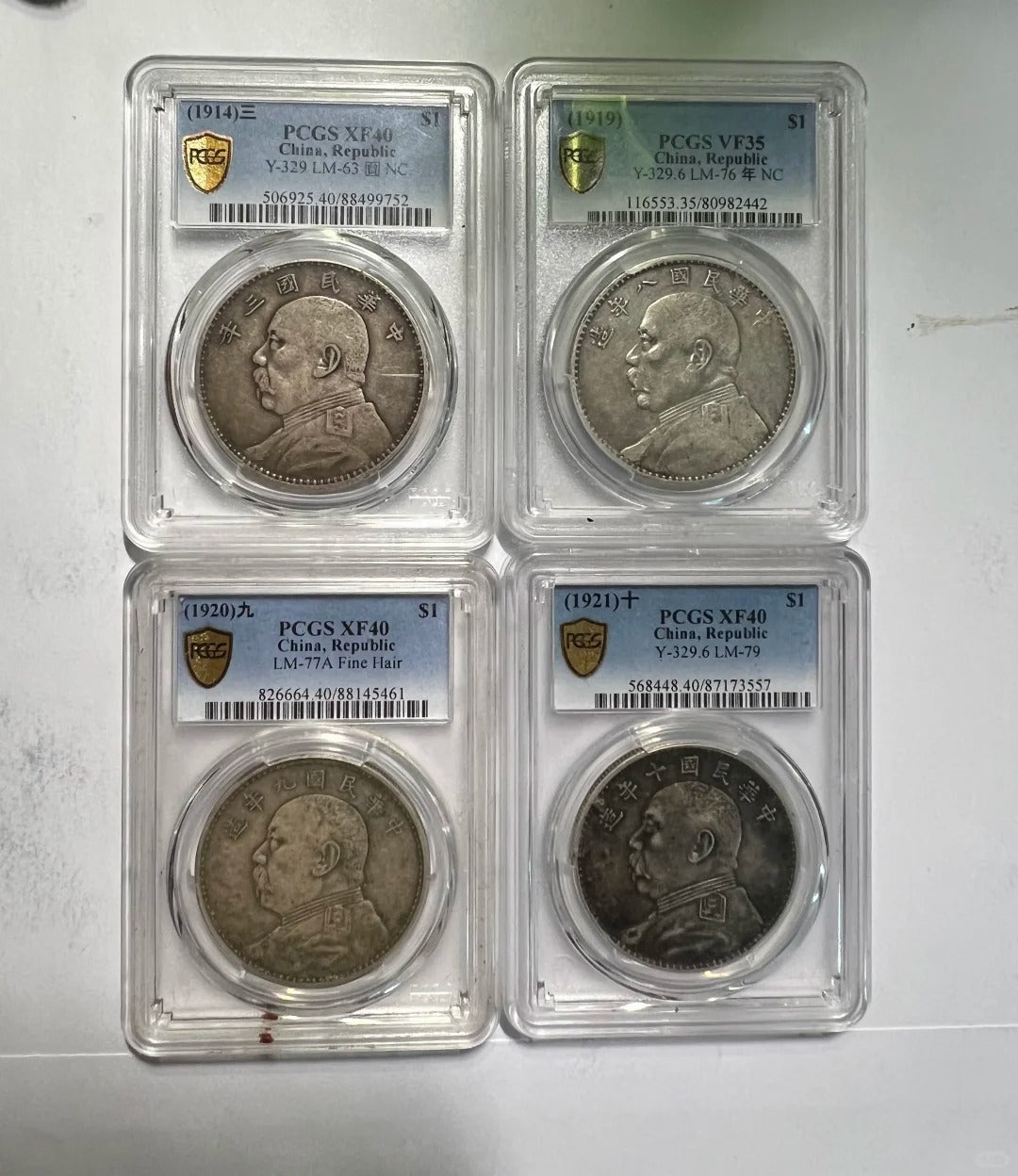
Number multiple silver coins before grouping by date, denomination or principal design. Their two faces, edge, weight and diameter must remain independently traceable.
Coins with the same broad name can carry different dates, denominations or marks. Establish the object group before comparing condition or edge terminology.
Give every manufacturing or historical source a consultation date. Treat old labels, oral accounts and web images as indexes when the metal is inconclusive.
Keep one object on each evidence page
Enter the working eagle-edge or T-edge name with legible wording, designs, available dimensions, enclosure and visible surface. Mark blind areas as pending.
Describe patina colour, worn relief, incomplete strike, abrasive hairlines and suspected chemical change separately. State the impact before any direct examination, and do not clean the coin.
Close the checklist without forcing the variety
Photograph the edge in overlapping sections and keep joins, filing, perforation, solder and jewellery-conversion traces intact. A suspected letter-form edge needs its full neighbouring sequence.
Original images help locate damage and proposed edge forms, but alloy, minute repair and holder-covered sections may still require specialist examination in hand.
Trace the Mexican Eagle Dollar-style and T-shaped edge around the rim
Treat Mexican Eagle Dollar-style and T-shaped edge as propositions until the complete circumference shows their repeated form. Begin the sequence at a named point and retain denticles and both rims in every overlap.
Locate countermarks, holes, filing and other edge work by arc before assigning a rare-edge name. Their displaced metal may erase a groove or letter-shaped element without proving a different variety.
Keep sleeves, grading holders, certificates and oral accounts as dated attachments. None can supply a T-shaped element or Mexican Eagle Dollar-style feature absent from the photographs.
Pair the edge sequence with the coin's date and wreath sides, raw measurements and instrument displays. Name every sealed or poorly lit arc that prevents the three views from agreeing.
An enquiry should identify the disputed circumference section and preserve the existing package. Polishing or forcing access would remove the very edge evidence under review.
