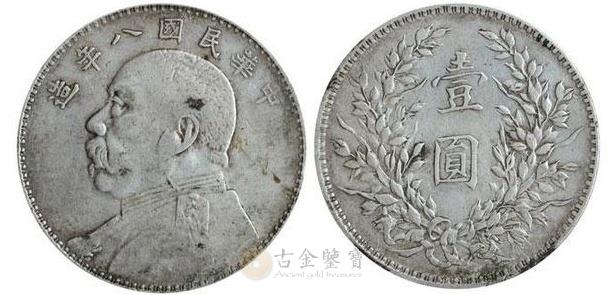
Start with complete views of the Yuan Shikai dollar
Read the inscriptions on the coin before settling on a name. Keep a paper sleeve, grading holder or old label with the item as provenance material; none of them should supply wording that cannot be seen on the coin.
Before any contact examination, agree what may be touched and why. Compare the grain wreath, tied ribbons, denomination characters and possible variety markers under one item number.
Describe patina, wear, knocks and cleaning traces separately. Check that the date inscription, principal design and edge belong to the same numbered coin, and leave any obscured or unsupported detail open.
Photographs must preserve where each detail appears
Distinguish settled patina, circulation wear, weakly struck detail, fine wiping lines and colour associated with chemical cleaning. A dark surface is not, by itself, a reason to clean the coin; state what a holder still conceals.
A chop mark, old paper sleeve or provenance account can add context. It cannot replace examination of portrait lettering, the grain wreath, strike, metal surface and edge.
Use one identifier for uncropped views, close-ups, measurements, packaging and documents. That keeps later additions with the right coin. If direct handling is proposed, explain its likely effect first.
Keep an uncertain attribution provisional
Where several coins are involved, note each piece's working name, legible inscriptions, design, dimensions or weight, present holder and visible condition. Anything indistinct remains open for another look.
Transcribe the date, denomination, portrait-side inscription and grain-wreath-side inscription before comparing possible varieties. Interpret weight and diameter only in relation to an established coin type.
Match every document to the exact coin
Begin with uncropped obverse and reverse views showing the full circumference. Then add located close-ups of the portrait hair, epaulette, date characters, grain wreath, denticles and any proposed variety marker. State what packaging prevents you from seeing.
For a group of Yuan Shikai dollars, sort by visible date and proposed variety, then number every piece. Its portrait side, grain-wreath side, edge, weight and diameter must remain together.
Cite a named source and consultation date for any issue, manufacturing or historical statement. Treat an old label, family recollection or online image as a research lead, not a conclusion about the coin.
Which details require the actual coin?
A signed type, O variety, triangular-yuan variety or regional attribution should be used only when the matching feature is visible on the coin. Preserve the complete views before attempting finer classification.
Photographs can support preliminary sorting and locate conspicuous damage. Metal, subtle repair and any area hidden by a holder may still need direct examination; never fill that gap from a similar coin.
A practical sequence for a Yuan Shikai dollar
Compare the dated portrait side with the grain-wreath side on the same coin. Keep the paper sleeve, grading holder and old label together, then locate the portrait hair, epaulette, lettering and denticles in the uncropped images. Any area that cannot be viewed safely stays unresolved.
Use the item number to retrieve the first images of patina, wear, knocks and possible cleaning alongside overall, raking-light and damage views. Date later information separately so it does not overwrite what was seen before.
Preserve both versions if the image direction, measuring position or proposed name changes. Explain why another comparison was made, then return to the condition details under the same identifier.
Check that every photograph belongs to the numbered coin. A close-up that cannot be located on an overall view should not support the summary. Finish by confirming that the sleeve, holder and old label still match.
Before an enquiry about several Yuan Shikai dollars, assign one number to each coin and check for missing views of the date, denomination and portrait lettering. This prevents a close-up from being attached to the wrong piece.
