
Collectible appraisal
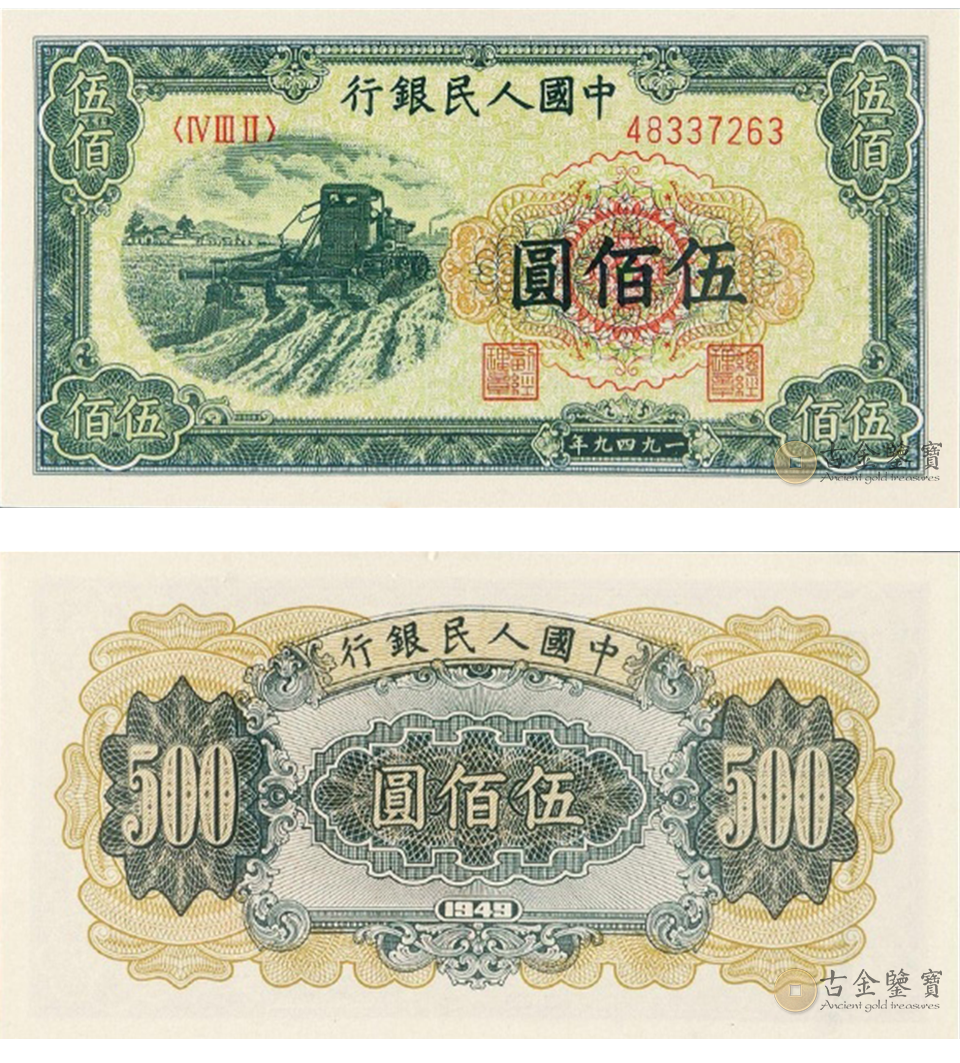
1949 500 Yuan Harvester
Start with photos so we can assess type, condition and market direction. Higher-value or uncertain items can then be checked in person.
WhatsApp photos for appraisal Front, back and edge photos are usually reviewed firstFree photo review Phone 852 98342057


Collectible appraisal
1949 500 Yuan Harvester
Start with photos so we can assess type, condition and market direction. Higher-value or uncertain items can then be checked in person.
1949 500 Yuan Harvester
Photograph the front, back, side or edge, plus any close-up details. Include dimensions, the measured weight, certificates or original packaging where relevant.
A 1949 500 Yuan Harvester note should be examined as a whole. Keep the variety, prefix and condition questions separate, and leave the paper untouched: its watermark, print, serial number, cut edges and four corners are more informative than a cleaned surface.
Item details and appraisal notes
A 1949 500 Yuan Harvester note should be examined as a whole. Keep the variety, prefix and condition questions separate, and leave the paper untouched: its watermark, print, serial number, cut edges and four corners are more informative than a cleaned surface.
1949 500 Yuan Harvester: details visible on the note
| Item | What to check |
|---|---|
| Series or category | First Series Renminbi is the working category; confirm it against the printed faces and issue information. |
| Year | 1949 |
| Denomination | 500 Yuan |
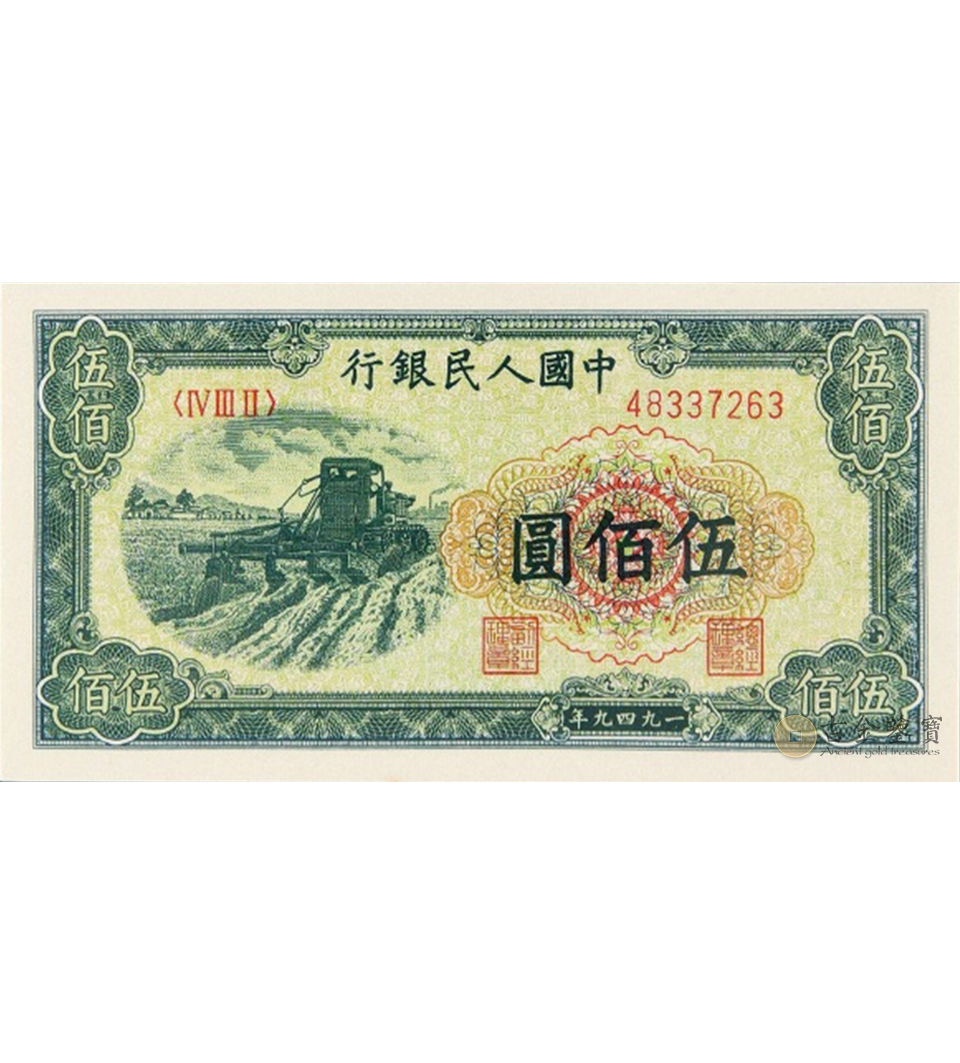
| Main design | Harvester |
| Evidence boundary | The stated date, value and design are working identification details. Confirm them on the note itself, then add a close view of any uncertain feature. |
How to photograph the design and condition
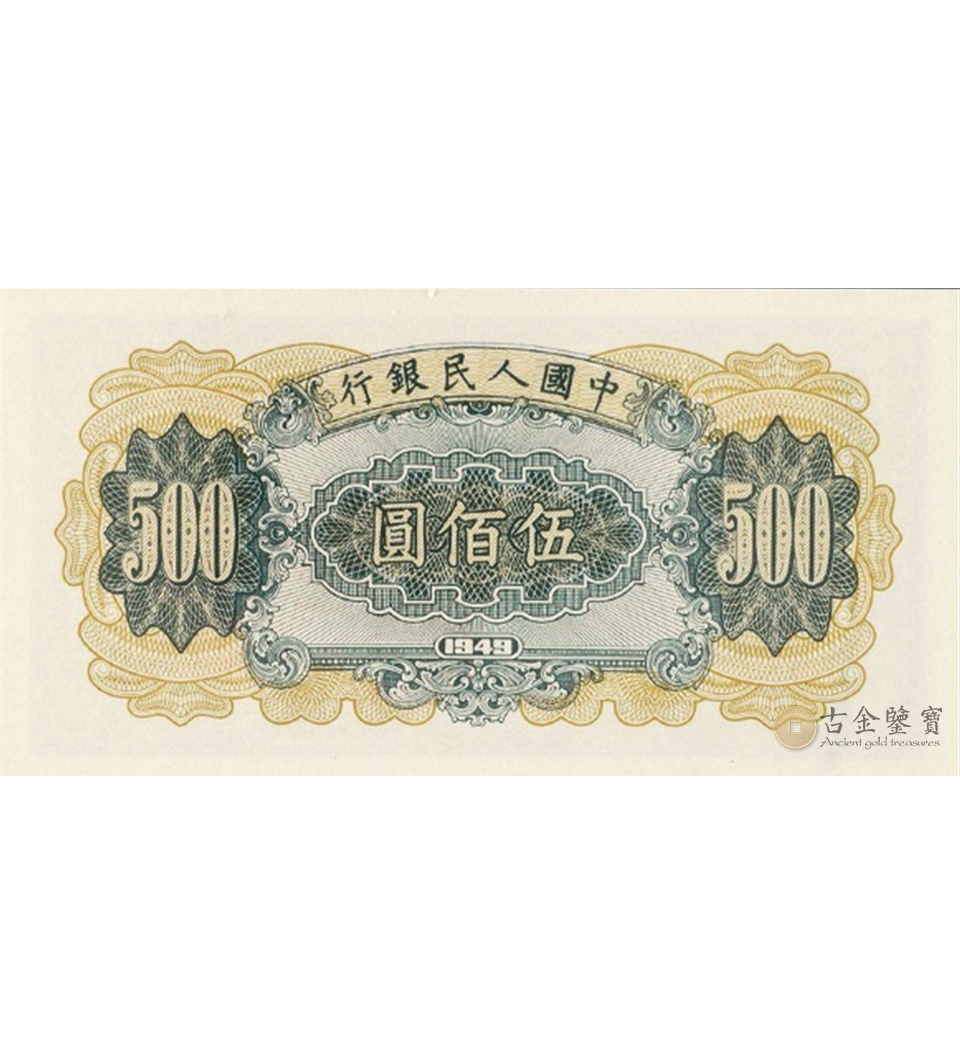
Overall appearance: Begin with colour-accurate views of both faces. They should show the 1949 date, 500 Yuan value and Harvester scene without cropping the border. If the printed details disagree with that identification, correct it before adding a finer variety.
Edges and printed detail: Keep all four corners and cut edges in frame, then photograph the prefix, complete serial number, denomination and legible inscriptions. Transmitted or raking light is useful only where it reveals an actual paper feature; sharpening should never replace the original image.
Areas of concern: Locate folds, foxing, pinholes, tears, water staining, washing, pressing, backing and repairs on an uncropped face. Photograph any old sleeve, album page, consecutive run, grading holder or certificate separately so it is clear what belongs with this note.
Safe photography and storage
Lay the note flat on a dry, non-reflective surface. Take the front, back, corners, prefix and any visible watermark separately; with several notes, follow a group view with individual images. Do not fold, press, wash or spot-clean the paper.
Three checks before an assessment
Previous treatment: Lamination, pressing and tape repairs can conceal the original paper. Leave them as found and add neutral-light close-ups of doubtful areas.
Printed features: Compare the year, denomination, design, watermark and print layers across both faces. Notes sharing the same name can differ substantially in paper quality and condition.
Prefix and completeness: Show the full prefix and serial number in natural colour, and note whether any consecutive numbers survive. Judge number sequence separately from tears, trimming or missing corners.
Further reading on First Series notes
Browse First Series Renminbi and read First Series Renminbi: Denominations, Designs and Evidence for context, while keeping the examination tied to this note.
Two useful comparisons
To ask about the Harvester note, send clear photographs through About Gu Jin Jian Bao | Collection Enquiries, WhatsApp 98342057 or Phone +852 9834 2057. Include the quantity and a brief note on how the banknote has been stored.
Questions before an appraisal
What should you check before selling?
What matters depends on the item. Photograph both sides, the edge, hallmarks or base marks, and any damage. Include the original box, certificate or weight information where relevant so we can decide whether an in-person inspection is needed.
