
 WhatsApp item photos
Return from documents to the First Series note
Begin with the series, denomination, visible year wording and principal design. Keep physical observations, enclosure material and written or oral accounts separate; preserve both versions if they conflict.
Then measure the note under its identifier, naming the instrument and original unit. Photograph any seal and all four edges before opening an enclosure so another reviewer can follow the same direction.
Use even backlighting to capture visible paper structure and any watermark still to be confirmed. Stop a measurement or viewing step that cannot be repeated safely.
What should be captured first?
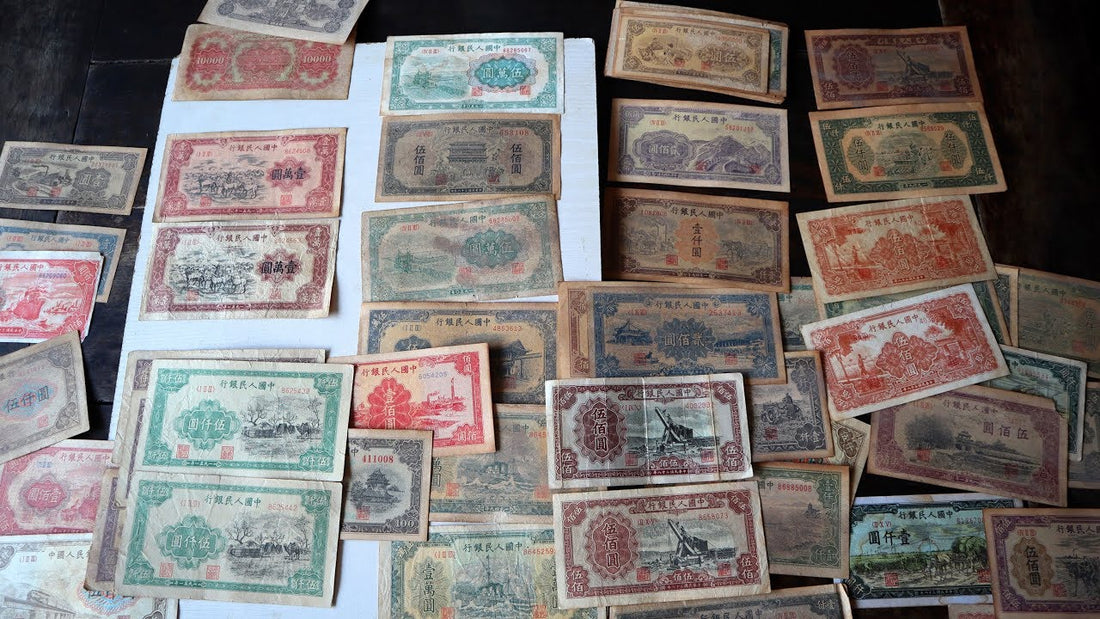
Note the working name, legible wording, design, dimensions, present enclosure and visible condition of each First Series Renminbi note. Mark indistinct details for comparison under the same identifier.
Photograph old sleeves, album leaves and earlier annotations with the note, while keeping pens, stamps and newly applied labels off its surface. Finish by checking for missing views.
Move from whole note to measurement
Use an even backlight without filters. Excessive brightness or a source too close can obscure paper fibres and the outline being examined.
Keep mould spots, adhesion, tears and old tape unchanged and separate affected paper from other items. Washing, ironing or using a damp cloth can introduce further change.
Apply one identifier to the complete outline, located details, dimensions, enclosure and documents. Later information can then be added without moving to another note.
Keep provenance separate
Place ration coupons, foreign currency, commemorative notes or uncut Renminbi in separate groups. Their issue context and market category should not be folded into a First Series banknote description.
Water exposure, flattening, hole repair, trimming, recolouring and replaced corners can leave distinct evidence. Raking light helps reveal paper relief, after which the checklist can be completed.
Link every issue, print or historical statement to an identifiable reference and the date it was accessed. Old labels, oral descriptions and web images remain research leads.
Retain the paper as found
Interpret unusual prefixes and serials within the proposed series. A desirable number does not replace examination of paper, ink, corners and repair history.
Photographs can support initial classification and identify obvious damage. Paper, subtle repair or anything concealed by packaging may still require direct inspection.
Why Denomination, Design and Serial Order Must Agree
First match the series, denomination, visible year wording and principal design to the prefix, full serial and printing position. Keep every uncertainty attached to the same note.
Then use even backlighting before looking for patching, recolouring, flattening or replaced corners. The sequence avoids changing the paper simply to complete a blank.
An original box or attachment can add provenance context but cannot replace the banknote. Keep its number, seal condition and visible limits apart from observations of the paper.
Retain unedited photographs. Take a new image where greater clarity is needed rather than filtering or sharpening the first view; leave an unmatched backlit outline unresolved.
Old labels and recollections may be kept for an enquiry, but they should remain apart from complete faces, dimensions and backlit evidence. Mark any disagreement for review.