
Collectible appraisal
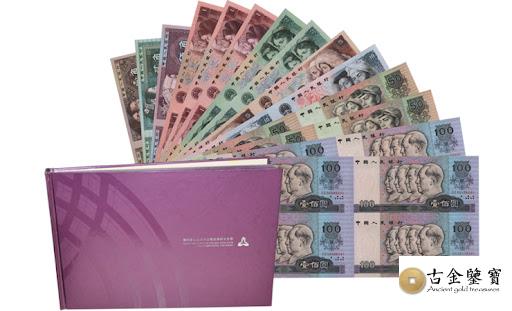
Kangyinge Four-Note Uncut Sheet Complete Set
Start with photos so we can assess type, condition and market direction. Higher-value or uncertain items can then be checked in person.
WhatsApp photos for appraisal Front, back and edge photos are usually reviewed firstFree photo review Phone 852 98342057

Collectible appraisal
Kangyinge Four-Note Uncut Sheet Complete Set
Start with photos so we can assess type, condition and market direction. Higher-value or uncertain items can then be checked in person.
Kangyinge Four-Note Uncut Sheet Complete Set
Photograph the front, back, side or edge, plus any close-up details. Include dimensions, the measured weight, certificates or original packaging where relevant.
A Kangyinge four-note uncut complete set should be viewed first as four joined notes, then as paper in a particular state of preservation. The serial order, full margins and both printed faces belong together; surviving presentation material, if any, should be shown separately.
Item details and appraisal notes
A Kangyinge four-note uncut complete set should be viewed first as four joined notes, then as paper in a particular state of preservation. The serial order, full margins and both printed faces belong together; surviving presentation material, if any, should be shown separately.
Kangyinge four-note uncut set: the visible essentials
| Item | Evidence to verify |
|---|---|
| Category | Uncut banknote sheet |
| Issue year | Not stated |
| Denomination | Not stated |
| Format | Four joined notes; presented as a complete set |
| Evidence boundary | Confirm the year, denomination and serial sequence on the sheet or surviving issue material. Keep the original arrangement intact while photographing it. |
How to examine the four joined notes
Complete layout: Photograph both faces with all four notes, outer margins and joined edges visible. The phrase “complete set” describes the set as presented; it does not justify adding a year or value that cannot be read.
Edges, size and serials: Measure the overall dimensions without stretching the paper. Where a serial number, printed value or border is legible, add a clear view while keeping the detail easy to locate on the whole sheet.
Condition and surviving extras: Map folds, foxing, pinholes, tears, water staining, washing, pressing and repair to the correct side. If the original folder, tube, booklet or certificate survives, photograph it separately and show that it accompanies this sheet.
What can change an assessment
- Original folder or certificate: Presentation material is useful only when it is actually present. Show its labels and condition, but do not let it cover the banknote or dictate an attribution unsupported by the sheet.
- Completeness and numbering: Keep all four notes joined and show the serial sequence in context. A missing margin, separated join or substituted component should be described plainly.
- Paper condition: Neutral-light photographs should show creases, stains, thins, edge splits and repairs. Do not wash, press or tape the sheet before examination.
Photographing without changing the sheet
Support the paper on a dry, non-reflective surface. Capture the front, back and full perimeter separately, using a ruler only as a scale. Do not force a fold open, flatten the sheet or separate its joined notes. Photograph a watermark only when transmitted light actually reveals one.
More on uncut Renminbi
Browse Silver Dollars and First–Fourth Series Renminbi and read Renminbi Uncut Sheets: Layout, Dimensions and Condition Records, then return to the actual margins, numbers and condition of this set.
Comparable joined-note issues
- Bank of China Centenary Macau Lotus Three-Note Uncut Sheet
- PRC 50th Anniversary Commemorative Three-Note Sheet
To ask about the Kangyinge set, send both faces and any surviving presentation material through About Gu Jin Jian Bao | Collection Enquiries, WhatsApp 98342057 or Phone +852 9834 2057. Start with the point that remains uncertain.
Questions before an appraisal
What should you check before selling?
What matters depends on the item. Photograph both sides, the edge, hallmarks or base marks, and any damage. Include the original box, certificate or weight information where relevant so we can decide whether an in-person inspection is needed.
