
Collectible appraisal
Chinese Antique Porcelain Appraisal
Start with photos so we can assess type, condition and market direction. Higher-value or uncertain items can then be checked in person.
WhatsApp photos for appraisal Front, back and edge photos are usually reviewed firstFree photo review Phone 852 98342057

Collectible appraisal
Chinese Antique Porcelain Appraisal
Start with photos so we can assess type, condition and market direction. Higher-value or uncertain items can then be checked in person.
Chinese Antique Porcelain Appraisal
Photograph the front, back, side or edge, plus any close-up details. Include dimensions, the measured weight, certificates or original packaging where relevant.
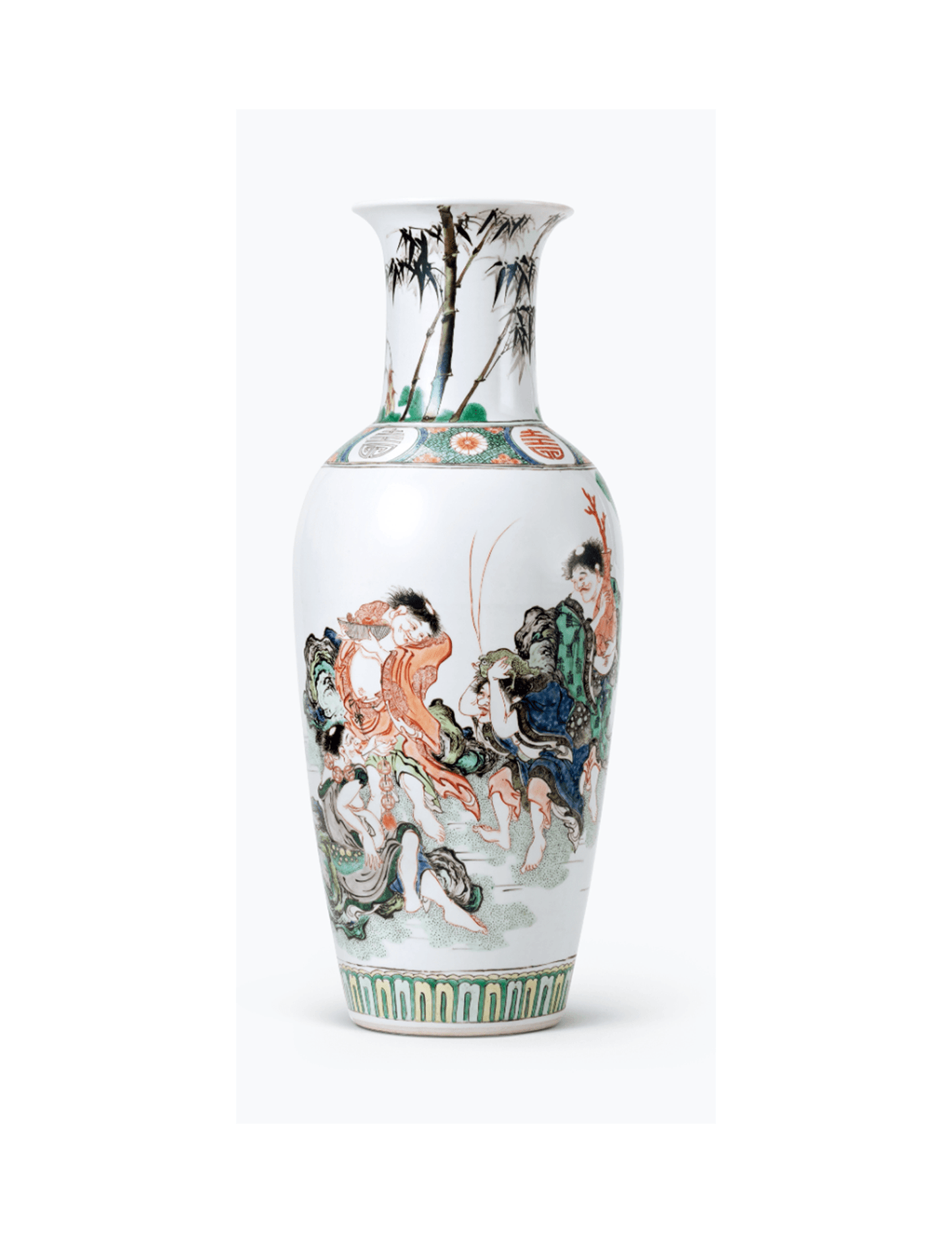
This Chinese porcelain has no secure period, vessel form, glaze or decoration assigned to it. A responsible first account should remain descriptive: show what the object is made like, how it is shaped, where it is damaged and which features are still hidden.
Item details and appraisal notes
This Chinese porcelain has no secure period, vessel form, glaze or decoration assigned to it. A responsible first account should remain descriptive: show what the object is made like, how it is shaped, where it is damaged and which features are still hidden.
Chinese antique porcelain: an open identification
| Feature | Current object detail |
|---|---|
| Period or mark claim | Period not yet identified |
| Vessel form | Shape not yet identified |
| Glaze and decorative technique | Glaze and technique not yet identified |
| Visible motif | Decoration not yet identified |
| Evidence boundary | A dynasty or kiln should not be chosen until form, ceramic body, surface, foot, firing evidence and provenance can be assessed on the same object. |
From complete outline to material detail
Profile and proportions: Begin with undistorted views from front, reverse and both sides, followed by the mouth, interior and underside. Record dimensions that fit the actual object and make missing, irregular or restored edges explicit.
Glaze, colour and design: Neutral light should establish colour and technique before a decorative name is used. Add raking-light views for crackle, scratches, glaze wear, repainting, filled areas or coatings, keeping every detail locatable on the whole piece.
Foot, mark and condition: Photograph the foot, exposed body, glaze edge, trimming, kiln contact and any legible mark without removing old labels or deposits. Chips, hairlines and joins need both a close view and their position on the complete form.
A practical identification sequence
- Shape and parts:
- List covers, handles, lugs, stands and detachable elements only when they are physically present. Keep separate pieces numbered so one base or repair is not assigned to another object.
- Surface technique:
- Decide whether colour lies under, within or above the glaze only from close visual evidence. Do not wet the surface to increase contrast or call a technique from an online resemblance.
- Damage and context:
- Map every loss, crack, fill, ground edge and later addition. Old boxes or receipts can add ownership context when their connection is clear, but do not certify age.
Preserving evidence on an unidentified object
Photograph before cleaning, and use two-handed support beneath the strongest body area. If the piece has an unstable join or loose part, keep it padded and stop rotating it for additional angles.
Broad porcelain comparisons
Porcelain identification and care guidance
For the initial handling sequence, see Antique Porcelain along with Old Porcelain: Body, Glaze, Marks and Firing Traces. The guides help protect the object while its form, technique and age remain unresolved.
Once the full outline, base and condition are documented, contact About Gu Jin Jian Bao | Collection Enquiries. Send the numbered photographs on WhatsApp 9834 2057; if calling, use +852 9834 2057. Quote “Chinese antique porcelain” and keep uncertain period, form or technique details explicitly open.
Questions before an appraisal
What should you check before selling?
What matters depends on the item. Photograph both sides, the edge, hallmarks or base marks, and any damage. Include the original box, certificate or weight information where relevant so we can decide whether an in-person inspection is needed.
