Collectible appraisal
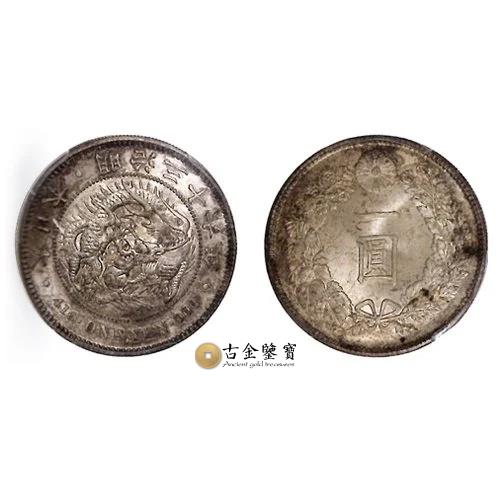
1903 Japan Meiji Year 36 One Yen Silver Coin
Start with photos so we can assess type, condition and market direction. Higher-value or uncertain items can then be checked in person.
WhatsApp photos for appraisal Front, back and edge photos are usually reviewed firstFree photo review Phone 852 98342057

Collectible appraisal
1903 Japan Meiji Year 36 One Yen Silver Coin
Start with photos so we can assess type, condition and market direction. Higher-value or uncertain items can then be checked in person.
1903 Japan Meiji Year 36 One Yen Silver Coin
Photograph the front, back, side or edge, plus any close-up details. Include dimensions, the measured weight, certificates or original packaging where relevant.
The Meiji Year 36 and 1903 datings, Japan and the One Yen denomination belong together on this silver coin. No personal ruler, mint or principal motif is named. Keep those gaps open while the two faces and edge are examined.
Item details and appraisal notes
The Meiji Year 36 and 1903 datings, Japan and the One Yen denomination belong together on this silver coin. No personal ruler, mint or principal motif is named. Keep those gaps open while the two faces and edge are examined.
Start with Meiji Year 36, 1903 and One Yen
| Feature | What the supplied wording establishes |
|---|---|
| Object | Japanese silver coin |
| Date | Meiji Year 36; 1903 |
| Denomination | One Yen |
| Ruler and main motif | No personal ruler or principal motif is stated. |
| Evidence boundary | The date, country and denomination guide identification; they do not establish authenticity, a mint or a die variety. |
Read both calendars before comparing character forms
Era and Western date: Frame Meiji Year 36 and 1903 with neighbouring characters, keeping the rim visible. A weak stroke should remain unresolved until another light angle confirms it.
One Yen denomination: Photograph the complete value and surrounding devices at natural contrast. Do not borrow a clearer legend from another Meiji issue.
Unnamed features: Treat the ruler, mint and principal motif as unstated. If handling is safe, weight, diameter and thickness are cross-checks only and cannot fill any of those fields.
Protect the surface while testing legibility
Set the coin above a dry, padded surface. Photograph colour first, then use raking light for relief and edge views; never polish away toning or old cleaning traces.
Separate history of use from strike evidence
Lettering and relief: Compare character margins, relief height and the surrounding field under matched light before separating weak strike from circulation wear.
Toning and marks: Retain deposits, scratches, contact marks and earlier cleaning exactly as found. Angled illumination can reveal them without changing the metal.
Holder or loose material: Keep a grading holder closed. Photograph any label, box or certificate separately, and state its association only when the evidence supports it.
Broader Japanese and trade-silver guidance
Consult Foreign Silver Coins and Junk Dollar, French Indochina Piastre and British Trade Dollar Records. Use their handling advice without importing a date, value, ruler, mint or motif from another coin.
Other Meiji one-yen examples
Send uncropped face images, a full circumference sequence and any holder views to About Gu Jin Jian Bao | Collection Enquiries, WhatsApp 9834 2057 or Phone +852 9834 2057. Note that this piece is dated Meiji Year 36 and 1903 and that no ruler, mint or main motif is being asserted.
Questions before an appraisal
What should you check before selling?
What matters depends on the item. Photograph both sides, the edge, hallmarks or base marks, and any damage. Include the original box, certificate or weight information where relevant so we can decide whether an in-person inspection is needed.
