
Collectible appraisal
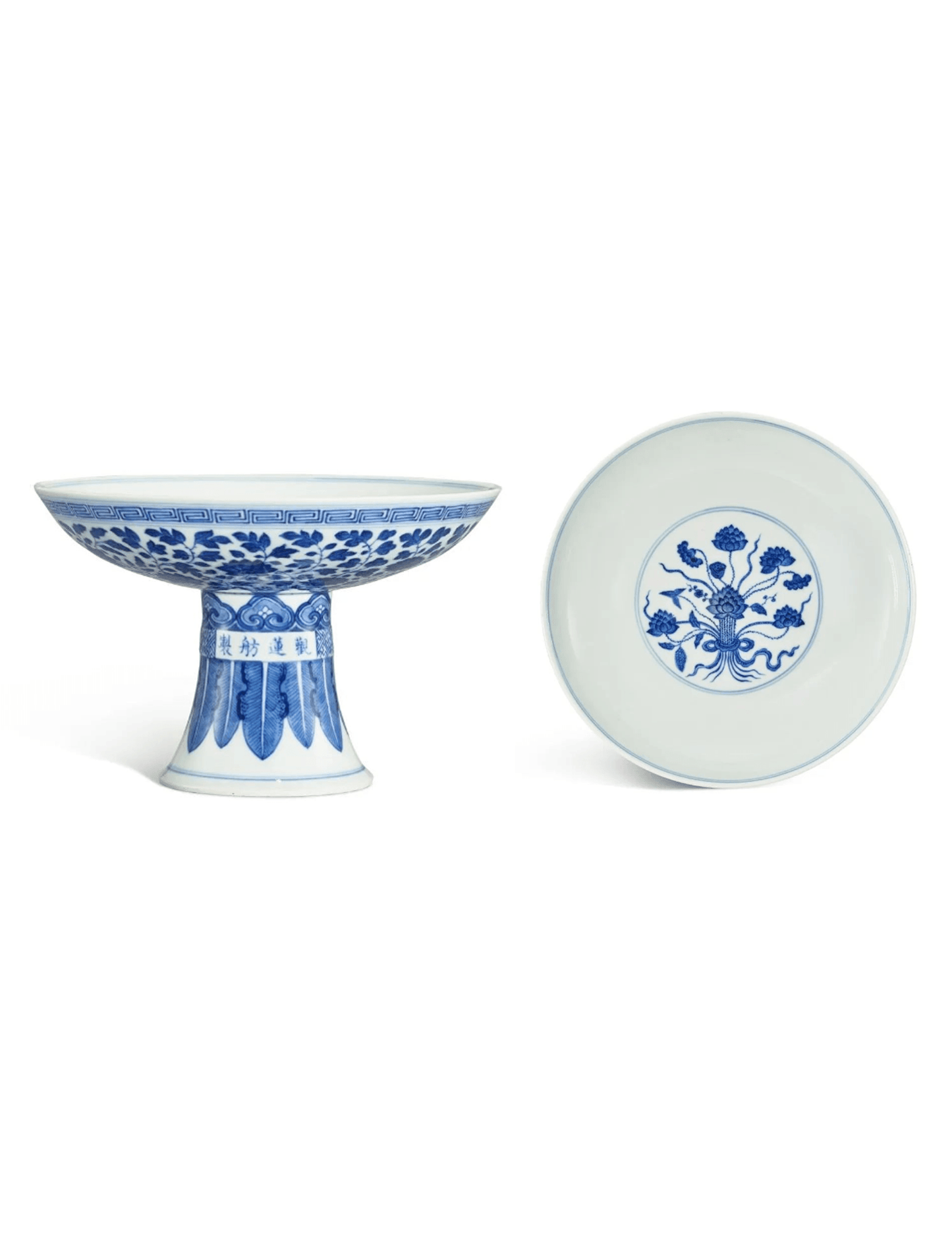
Daoguang Blue-and-White Lotus Scroll Offering Dish
Start with photos so we can assess type, condition and market direction. Higher-value or uncertain items can then be checked in person.
WhatsApp photos for appraisal Front, back and edge photos are usually reviewed firstFree photo review Phone 852 98342057

Collectible appraisal
Daoguang Blue-and-White Lotus Scroll Offering Dish
Start with photos so we can assess type, condition and market direction. Higher-value or uncertain items can then be checked in person.
Daoguang Blue-and-White Lotus Scroll Offering Dish
Photograph the front, back, side or edge, plus any close-up details. Include dimensions, the measured weight, certificates or original packaging where relevant.
This offering dish is named for a Daoguang date, blue-and-white decoration and a scrolling-lotus design. Those elements should be read across the entire dish: profile, rim, well, reverse, foot and cobalt borders all matter, and a base mark cannot settle the date on its own.
Item details and appraisal notes
This offering dish is named for a Daoguang date, blue-and-white decoration and a scrolling-lotus design. Those elements should be read across the entire dish: profile, rim, well, reverse, foot and cobalt borders all matter, and a base mark cannot settle the date on its own.
Daoguang lotus-scroll dish: the visible claims
| Feature | Current object detail |
|---|---|
| Period or mark claim | Daoguang |
| Vessel form | Offering dish |
| Glaze and decorative technique | Blue-and-white decoration |
| Visible motif | Scrolling lotus |
| Evidence boundary | The Daoguang name remains provisional until the dish profile, ceramic body, cobalt painting, glaze, foot, inscription and provenance form a consistent group of evidence. |
Following the lotus scroll from rim to foot
Profile and proportions: Take a level side view to show the rim flare, well depth and foot height, then add overhead, underside and interior views. Record overall diameter, height and foot diameter with the measuring points visible and the dish fully supported.
Glaze, colour and design: Photograph the lotus stems, blooms and leaves as a continuous circuit, including border bands and design joins. Neutral light should preserve cobalt tone; raking light can then reveal scratches, glaze wear, retouching or fills without making the blue appear stronger.
Foot, mark and condition: Show the whole foot ring, exposed body, glaze termination and every legible character on the base. Map rim frits, hairlines, kiln flaws, ground areas and restoration to the dish before enlarging any one condition detail.
Reading a dish from the well outward
- Rim and well: Use an overhead view for the complete interior and a low side angle for the wall and rim. A hairline needs both transmitted or raking light and a clear position on the full circumference.
- Lotus-scroll rhythm: Keep each bloom, leaf and curling stem connected in sequence. Differences in brush pressure, outline and wash should be photographed, but they should not be forced into a workshop conclusion from a single close view.
- Reverse and base: Record any reverse decoration before photographing the foot and mark squarely. Do not remove old labels or deposits merely to produce a cleaner underside photograph.
Supporting the offering dish during inspection
Lift the dish with two hands beneath the body, never by one rim point. Complete the full-form, interior, reverse, base, measurement and condition photographs before any cleaning; a dish with a running hairline should stay flat on a padded support.
Dish handling and cobalt-painting guidance
For safe preparation, use Antique Porcelain together with Old Porcelain: Body, Glaze, Marks and Firing Traces. The related advice helps with handling, but the Daoguang question still depends on this dish.
Blue-and-white and enamel comparisons
To have the dish profile, lotus scroll, foot and mark considered together, contact About Gu Jin Jian Bao | Collection Enquiries. Share the numbered views by WhatsApp 9834 2057; alternatively, call +852 9834 2057. Quote “Daoguang lotus-scroll dish” and identify the first rim, well or foot area needing attention.
Questions before an appraisal
What should you check before selling?
What matters depends on the item. Photograph both sides, the edge, hallmarks or base marks, and any damage. Include the original box, certificate or weight information where relevant so we can decide whether an in-person inspection is needed.
