
Collectible appraisal
Qing Dynasty Blue-and-White Porcelain
Start with photos so we can assess type, condition and market direction. Higher-value or uncertain items can then be checked in person.
WhatsApp photos for appraisal Front, back and edge photos are usually reviewed firstFree photo review Phone 852 98342057

Collectible appraisal
Qing Dynasty Blue-and-White Porcelain
Start with photos so we can assess type, condition and market direction. Higher-value or uncertain items can then be checked in person.
Qing Dynasty Blue-and-White Porcelain
Photograph the front, back, side or edge, plus any close-up details. Include dimensions, the measured weight, certificates or original packaging where relevant.
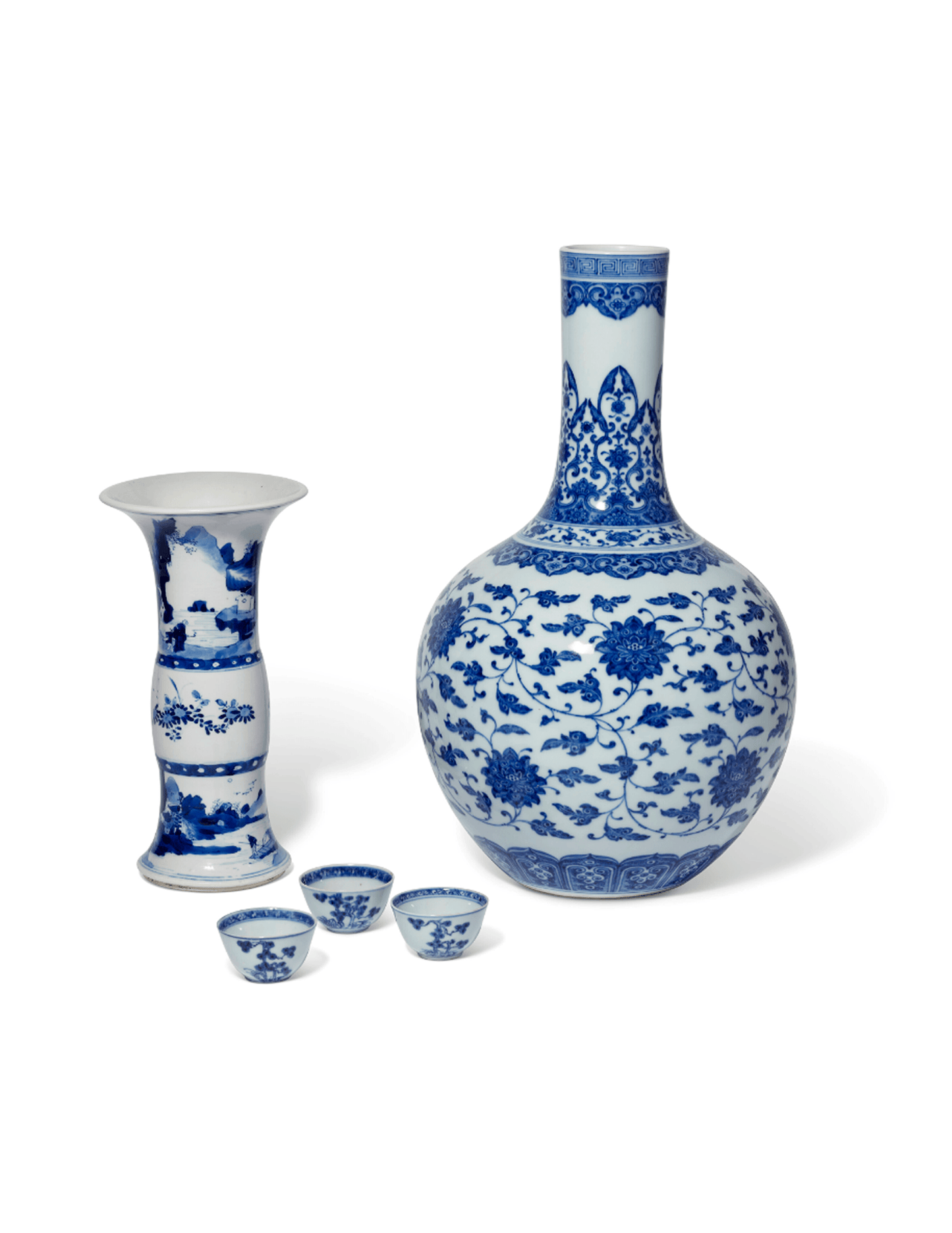
A Qing date and blue-and-white decoration are the two claims to examine on this porcelain piece. Its vessel type, proportions, painted subject and base have not yet been identified, so the first useful view is the complete object rather than an isolated cobalt detail.
Item details and appraisal notes
A Qing date and blue-and-white decoration are the two claims to examine on this porcelain piece. Its vessel type, proportions, painted subject and base have not yet been identified, so the first useful view is the complete object rather than an isolated cobalt detail.
What is known about the Qing blue-and-white piece
| Feature | Current object detail |
|---|---|
| Period or mark claim | Qing attribution |
| Vessel form | Shape not yet identified |
| Glaze and decorative technique | Blue-and-white decoration; technique to confirm |
| Visible motif | Decoration not yet identified |
| Evidence boundary | Cobalt colour alone cannot establish a Qing date. Form, ceramic body, glaze, foot construction, painting and any reliable ownership history must agree. |
Establishing the form before reading the painting
Profile and proportions: Photograph the whole outline level with the camera, followed by the mouth, interior, side profile and underside. Once the object is visible, measure only the dimensions that suit its actual form and keep both ends of the measuring tool in frame.
Glaze, colour and design: Follow every cobalt-painted area in overlapping neutral-light views. Show line width, washes, darker accents, specks, bleeding and the relationship between blue pigment and glaze without increasing contrast or assigning a motif that cannot be seen.
Foot, mark and condition: Include the entire foot, exposed body, glaze edge, trimming and any mark in one square image. Chips, hairlines, ground edges, later colour and filled losses should be located on an uncropped overall view before closer photographs are added.
Three questions the object itself must answer
Unknown vessel type: Do not call the piece a bowl, vase, jar or dish until the rim, wall, body transition and foot support that term. A side view with a visible scale is more useful than a decorative close-up for this first decision.
Cobalt and glaze: Use direct light for true colour and raking light for scratches, glaze wear, repainting or uneven gloss. Keep kiln effects, later damage and surface dirt separate instead of treating every dark patch as original cobalt.
Date and condition: A Qing attribution should be tested across construction and wear, not accepted from colour alone. Preserve labels and old repairs, and do not scrape the foot to expose a brighter body colour.
A complete, safe image set
Arrange the images from full form to mouth, interior, base, painted surface, damage and measurements. Support the body from below when it is moved; if a crack or loose element appears, stop turning the piece and photograph it in its supported position.
Blue-and-white porcelain guidance
For broader handling advice, open Antique Porcelain and keep Old Porcelain: Body, Glaze, Marks and Firing Traces. Use them to plan safe photographs, while the Qing date remains a question for the object in hand.
Two Qing comparisons with separate evidence
For an initial review of the complete shape, cobalt painting and base, contact About Gu Jin Jian Bao | Collection Enquiries. Send the uncropped photographs by WhatsApp 9834 2057, or call +852 9834 2057. Mention “Qing blue-and-white piece” and say plainly which form, motif or mark is still uncertain.
Questions before an appraisal
What should you check before selling?
What matters depends on the item. Photograph both sides, the edge, hallmarks or base marks, and any damage. Include the original box, certificate or weight information where relevant so we can decide whether an in-person inspection is needed.
