
Collectible appraisal
Qing Dynasty Porcelain
Start with photos so we can assess type, condition and market direction. Higher-value or uncertain items can then be checked in person.
WhatsApp photos for appraisal Front, back and edge photos are usually reviewed firstFree photo review Phone 852 98342057

Collectible appraisal
Qing Dynasty Porcelain
Start with photos so we can assess type, condition and market direction. Higher-value or uncertain items can then be checked in person.
Qing Dynasty Porcelain
Photograph the front, back, side or edge, plus any close-up details. Include dimensions, the measured weight, certificates or original packaging where relevant.
This porcelain carries a broad Qing attribution, but its vessel type, glaze, decoration and mark have not yet been identified. The object therefore needs a neutral rim-to-foot examination before a narrower date, kiln or decorative category is proposed.
Item details and appraisal notes
This porcelain carries a broad Qing attribution, but its vessel type, glaze, decoration and mark have not yet been identified. The object therefore needs a neutral rim-to-foot examination before a narrower date, kiln or decorative category is proposed.
Qing-attributed porcelain: what is still unknown
| Feature | Current object detail |
|---|---|
| Period or mark claim | Qing attribution |
| Vessel form | Shape not yet identified |
| Glaze and decorative technique | Glaze and technique not yet identified |
| Visible motif | Decoration not yet identified |
| Evidence boundary | A Qing date cannot stand without a recognisable form, ceramic body, surface, foot construction and condition history. Any kiln or reign claim must wait for those features. |
Building an object-led account from the complete form
Profile and proportions: Photograph the silhouette from four sides, followed by the mouth, interior and underside. Once the form is clear, record the appropriate height, width, rim and foot measurements with their positions visible.
Glaze, colour and design: Use neutral and raking light to determine whether the surface is monochrome, blue-and-white, enamelled, carved, moulded or plain. Follow every visible design completely and leave absent or obscured decoration unnamed.
Foot, mark and condition: Show the entire foot, exposed body, glaze boundary, trimming and any inscription or label. Locate chips, hairlines, worn glaze, grinding, fills, joins and replacement areas on the full object before adding close details.
Safe first handling of the Qing-attributed piece
Keep the object dry and lift from its broadest stable body section with support beneath. Photograph its present condition, base and accessories before removing a stand, label or old wrapping.
Narrowing a broad Qing attribution carefully
| Area | What the object should show |
|---|---|
| Form before date | Proportions and construction should decide whether the object is a bowl, dish, jar, vase or another form. Avoid choosing a reign from one contour seen at an angle. |
| Surface before style | Describe the glaze and decoration that are physically present, including colour, application and wear. Similarity to another Qing piece can suggest a comparison, not supply missing evidence. |
| Repairs before handling | Check the rim, handles or lugs, body and foot for old joins and filled losses. An unstable section should remain supported and should not be tested by pressure. |
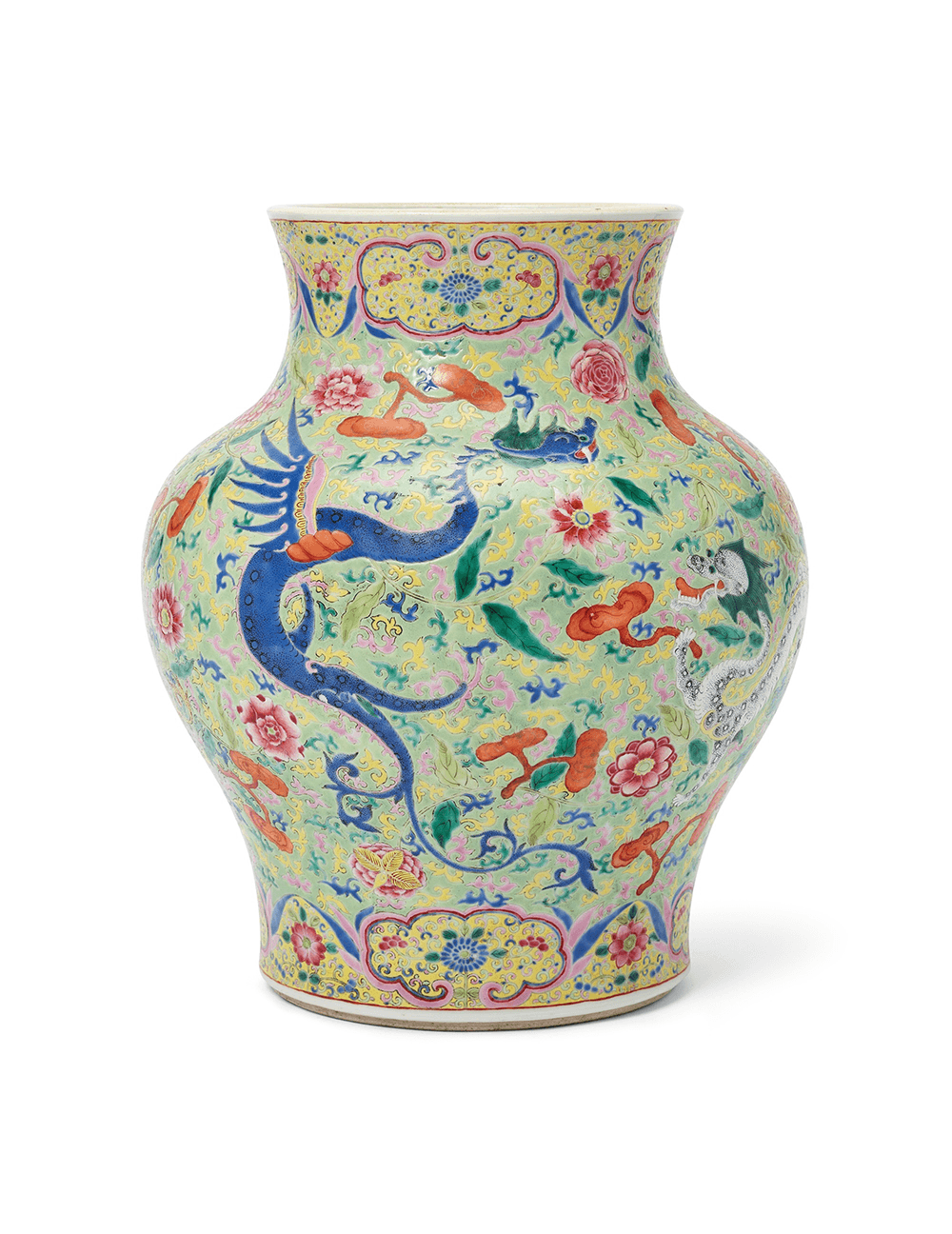
Two Qing objects with known decoration
General Qing porcelain guidance
For preparation and care, review Antique Porcelain with Old Porcelain: Body, Glaze, Marks and Firing Traces. Use both as handling references, not as substitutes for an unidentified form or glaze.
For a review beginning with the complete form and underside, contact About Gu Jin Jian Bao | Collection Enquiries. Send neutral-light views by WhatsApp 9834 2057; for a call, use +852 9834 2057. Quote “Qing-attributed porcelain” and list the vessel, glaze and decoration details that remain unknown.
Questions before an appraisal
What should you check before selling?
What matters depends on the item. Photograph both sides, the edge, hallmarks or base marks, and any damage. Include the original box, certificate or weight information where relevant so we can decide whether an in-person inspection is needed.
