
Collectible appraisal
Song–Yuan Longquan Celadon Jar
Start with photos so we can assess type, condition and market direction. Higher-value or uncertain items can then be checked in person.
WhatsApp photos for appraisal Front, back and edge photos are usually reviewed firstFree photo review Phone 852 98342057

Collectible appraisal
Song–Yuan Longquan Celadon Jar
Start with photos so we can assess type, condition and market direction. Higher-value or uncertain items can then be checked in person.
Song–Yuan Longquan Celadon Jar
Photograph the front, back, side or edge, plus any close-up details. Include dimensions, the measured weight, certificates or original packaging where relevant.
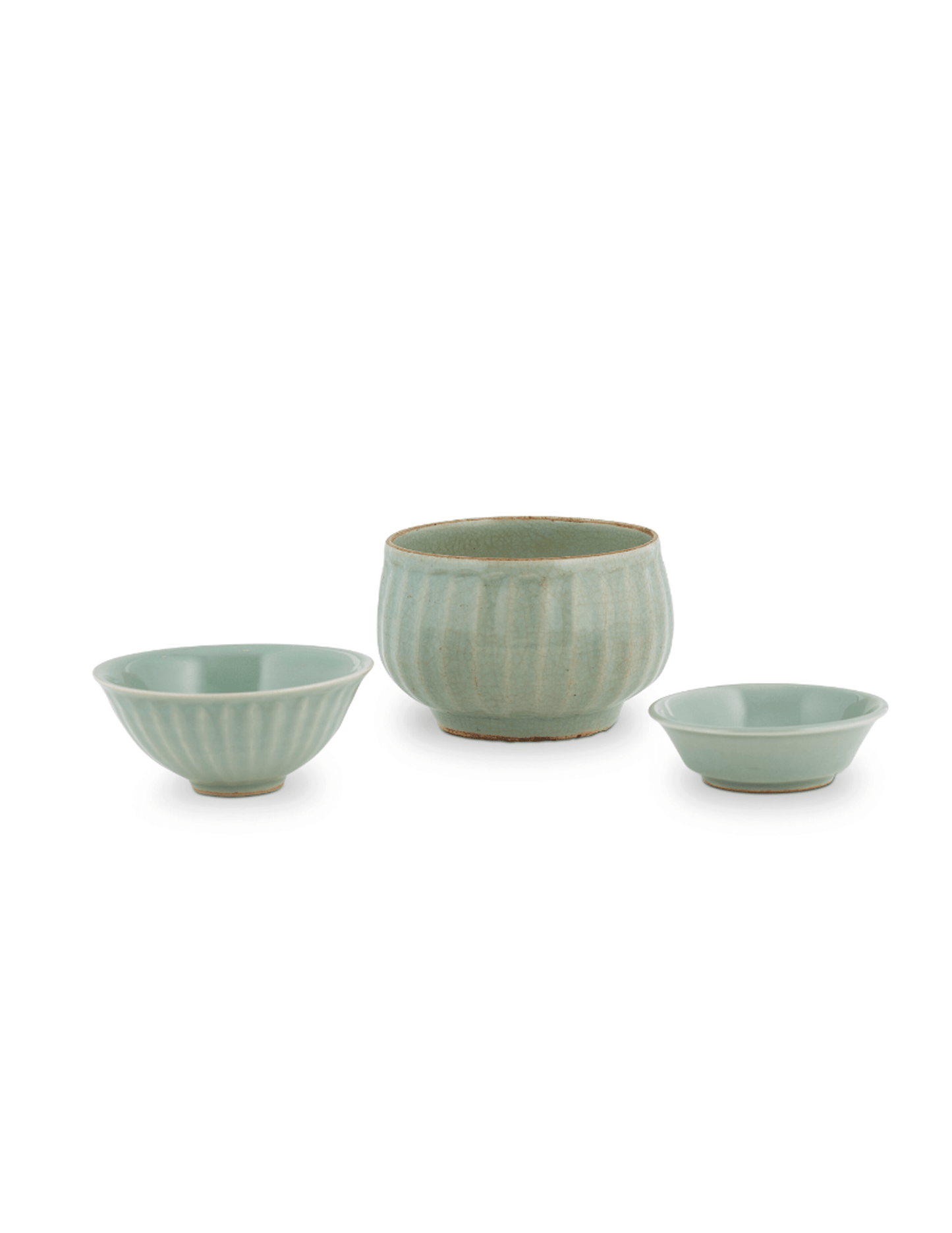
This piece is described as a Song–Yuan Longquan celadon jar, but the period and kiln attribution still have to be tested against the form, body, glaze, foot, firing traces and provenance. Leave the jar unchanged while the rim, glaze surface, base and restored areas are photographed.
Item details and appraisal notes
This piece is described as a Song–Yuan Longquan celadon jar, but the period and kiln attribution still have to be tested against the form, body, glaze, foot, firing traces and provenance. Leave the jar unchanged while the rim, glaze surface, base and restored areas are photographed.
Song–Yuan Longquan celadon jar: stated details
| Item | Stated detail |
|---|---|
| Period wording | Song–Yuan |
| Form | Jar |
| Glaze | Celadon-green glaze |
| Decoration | No specific decorative motif is stated. |
| Evidence boundary | The Song–Yuan and Longquan attributions are stated claims. Confirm them through the jar's form, body, glaze, foot, firing evidence and provenance. |
What to examine on the jar itself
Form and attribution: Treat Song–Yuan and Longquan as points to test, not conclusions. Start with the jar's mouth, shoulder, body profile and foot, then compare the visible glaze and exposed body. Use raking light for any unclear mark without forcing a reading.
Measurements and surfaces: Take the front, reverse, both sides, mouth, interior and base before measuring the height, mouth, widest body point and foot. Add close views of the glaze surface, body, rim, foot and any decoration actually visible; do not assume painted decoration where none is present.
Damage and restoration: Locate rim chips, hairlines, foot losses, glaze wear, joins, filled areas, overpainting and later additions on a full view. Do not scrape the glaze, use acidic or alkaline cleaners, or apply adhesive. Keep each jar separate if several similar pieces are present.
Safe photography and movement
Photograph the complete profile, mouth, foot and every damaged area in neutral light, and state plainly if provenance is unknown. Move the jar with one hand beneath the base and the other around the body, clear of the rim; show any old box, label or receipt beside it.
Form, glaze and condition checks
Glaze and visible decoration: Examine glaze colour, thickness, pooling, surface wear and any decoration actually present across the complete form. Do not introduce the language of painted decoration to a plain-glazed jar.
Chips and restoration: Show chips, hairlines, impacts, filled glaze, joins and later additions exactly where they occur. A restored area needs both a close view and its location on the jar.
Provenance and accessories: An old box, label, receipt or family history may add context, but it cannot replace examination of the body, glaze and foot. Photograph surviving material separately.
Guides for examining celadon
For celadon handling, open Antique Porcelain with Old Porcelain: Body, Glaze, Marks and Firing Traces. Apply both to the jar's actual glaze, foot and condition.
Two useful Longquan comparisons
To review the complete jar profile, celadon surface and base, contact About Gu Jin Jian Bao | Collection Enquiries. Send the image group by WhatsApp 9834 2057, or call +852 9834 2057. Quote “Song–Yuan Longquan jar” and keep the period and kiln questions open.
Questions before an appraisal
What should you check before selling?
What matters depends on the item. Photograph both sides, the edge, hallmarks or base marks, and any damage. Include the original box, certificate or weight information where relevant so we can decide whether an in-person inspection is needed.
