Collectible appraisal
Yuan Longquan Celadon Four-Lug Vase with Cloud Dragon
Start with photos so we can assess type, condition and market direction. Higher-value or uncertain items can then be checked in person.
WhatsApp photos for appraisal Front, back and edge photos are usually reviewed firstFree photo review Phone 852 98342057

Collectible appraisal
Yuan Longquan Celadon Four-Lug Vase with Cloud Dragon
Start with photos so we can assess type, condition and market direction. Higher-value or uncertain items can then be checked in person.
Yuan Longquan Celadon Four-Lug Vase with Cloud Dragon
Photograph the front, back, side or edge, plus any close-up details. Include dimensions, the measured weight, certificates or original packaging where relevant.
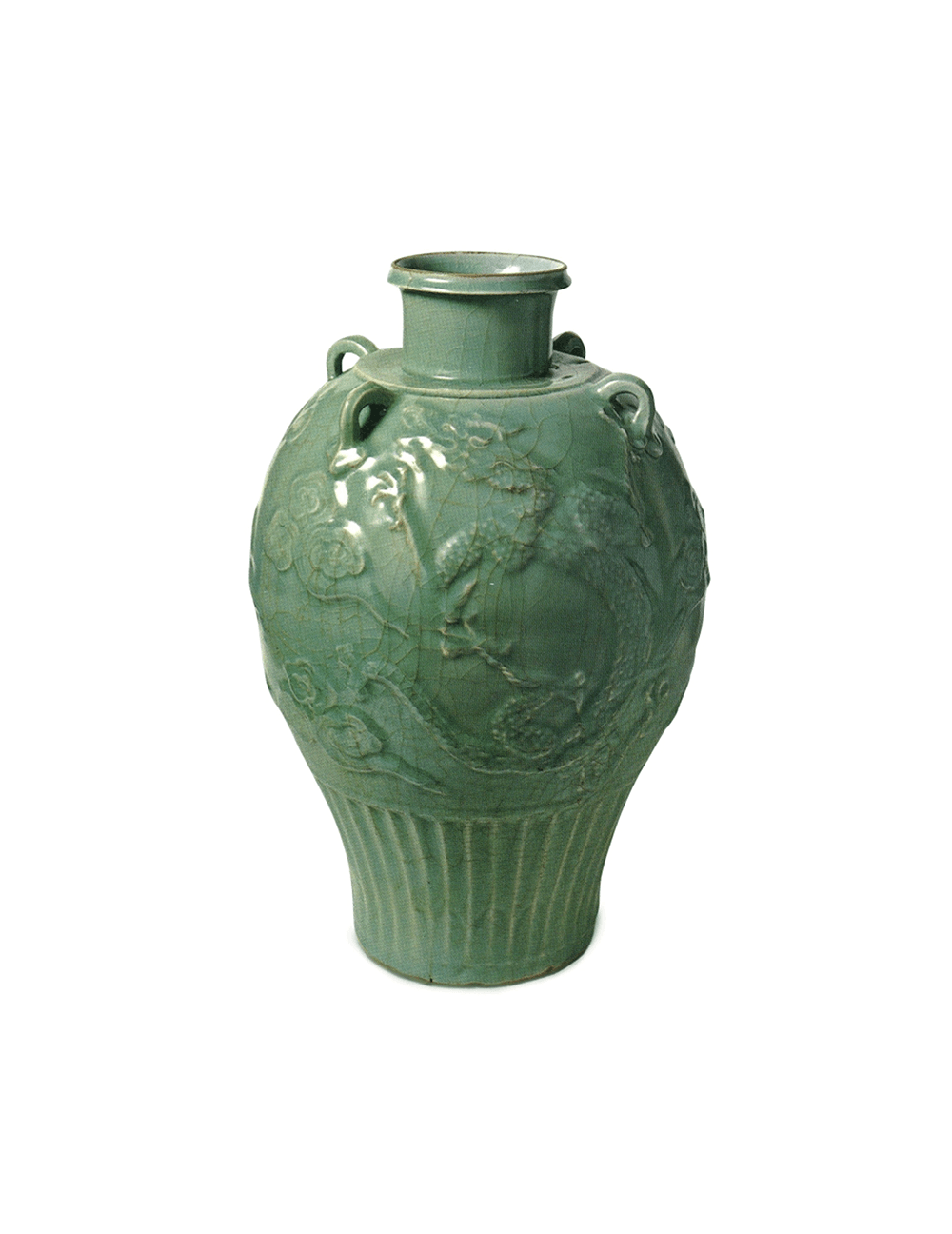
This vase is associated with Yuan Longquan celadon and has four lugs with a cloud-and-dragon design. The vase profile, each applied lug, the continuous dragon, celadon surface, exposed body and foot should be examined together before the period and kiln claims are accepted.
Item details and appraisal notes
This vase is associated with Yuan Longquan celadon and has four lugs with a cloud-and-dragon design. The vase profile, each applied lug, the continuous dragon, celadon surface, exposed body and foot should be examined together before the period and kiln claims are accepted.
Yuan and Longquan remain provisional until the form, lug construction, decoration, glaze, body, firing traces, foot and provenance tell a consistent story.
Four-lug Longquan vase: visible claims
| Area | What the vase should show |
|---|---|
| Vase profile | Take level views of the mouth, neck, shoulder, body curve and foot, then measure height, mouth, widest point and foot. Number the four lugs in order so every attachment can be located without turning the vase by a lug. |
| Four applied lugs | Photograph the front, side, hole and shoulder join of each lug. Differences in wear, body colour, adhesive or gloss may show damage or reattachment and should be compared without probing. |
| Cloud-and-dragon design | Keep the dragon and clouds connected around the vessel so claws, whiskers and joins are not mistaken for isolated symbols. Raking light can clarify relief without forcing a technique label. |
| Celadon surface | Trace the dragon, clouds and design joins in overlapping light. Show whether lines appear carved, moulded, impressed or made another way, and photograph celadon colour, pooling, crackle, pinholes, abrasion and later gloss without wetting the glaze. |
| Body and foot | Include the complete base, foot walls, exposed body, trimming, kiln contact and glaze edge. Map rim chips, cracked or replaced lugs, body hairlines, foot losses, joins and overpainting to the full vase. |
Four construction areas that need context
Show glaze thickness and pooling at the shoulder, around lugs and near the foot, then compare exposed body and kiln contact. No single crackle line or colour patch proves Longquan origin.
Place one hand beneath the foot and steady the lower body with the other. Never lift by the rim or any lug, especially where a join, crack or old restoration is visible.
Celadon vase handling guidance
For careful photography, open Antique Porcelain and read Old Porcelain: Body, Glaze, Marks and Firing Traces. For separate form and glaze comparisons, see Song–Yuan Longquan Celadon Jar and Song Dynasty Official-Kiln Porcelain. To review the complete profile, lug joins, dragon design and base, contact About Gu Jin Jian Bao | Collection Enquiries. Send the numbered sequence with WhatsApp 9834 2057; alternatively, telephone +852 9834 2057. Quote “Longquan four-lug vase” and identify any lug that may be loose, replaced or reattached.
Questions before an appraisal
What should you check before selling?
What matters depends on the item. Photograph both sides, the edge, hallmarks or base marks, and any damage. Include the original box, certificate or weight information where relevant so we can decide whether an in-person inspection is needed.
