
Collectible appraisal
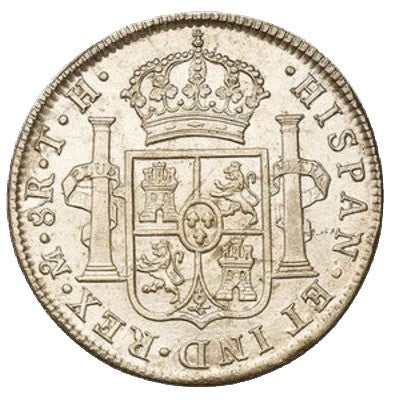
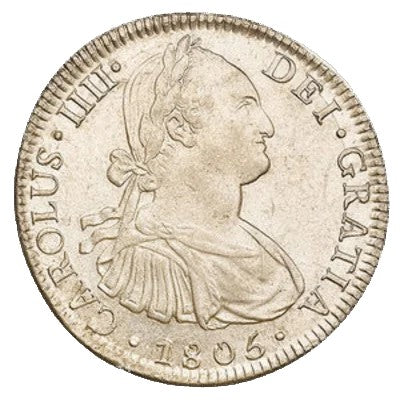
18th-Century Spanish Portrait and Pillars Silver Coin
Start with photos so we can assess type, condition and market direction. Higher-value or uncertain items can then be checked in person.
WhatsApp photos for appraisal Front, back and edge photos are usually reviewed firstFree photo review Phone 852 98342057


Collectible appraisal
18th-Century Spanish Portrait and Pillars Silver Coin
Start with photos so we can assess type, condition and market direction. Higher-value or uncertain items can then be checked in person.
18th-Century Spanish Portrait and Pillars Silver Coin
Photograph the front, back, side or edge, plus any close-up details. Include dimensions, the measured weight, certificates or original packaging where relevant.
This silver coin is attributed to Spain in the 18th century, with a human portrait and two pillars. No precise year, denomination, named personal ruler, issuing authority, mint or mintmark is supplied. Those gaps must stay separate from the design wording.
Item details and appraisal notes
This silver coin is attributed to Spain in the 18th century, with a human portrait and two pillars. No precise year, denomination, named personal ruler, issuing authority, mint or mintmark is supplied. Those gaps must stay separate from the design wording.
Use 18th century as a period, never a precise date
| Attribute | Supported boundary |
|---|---|
| Object | Spanish portrait-and-two-pillars silver coin |
| Period | 18th century; no precise year is supplied. |
| Denomination | No denomination or weight standard is supplied. |
| Country and design | Spain; human portrait and two pillars. The person is not named. |
| Limit | The period, country and two design elements guide identification but do not confirm authenticity, a mint or an exact variety. |
Examine the portrait and pillars without naming the person
Human portrait: Frame the entire portrait within its face before adding details of relief, surrounding lettering and the border. Resemblance alone cannot identify the person.
Two pillars: Photograph both pillars, nearby devices and open fields at a consistent orientation. Keep worn or softly struck features unresolved rather than rebuilding them digitally.
Open date and value: Retain 18th century as a broad period. Do not add a precise year, currency or denomination from another Spanish or foreign coin.
Preserve the coin while moving from faces to edge
Take natural-colour overall views before changing the light. Support the coin over a dry padded area, touch only the edge and leave toning, deposits and old cleaning unchanged.
Separate appearance from attribution
Relief and strike: Use matched light angles to distinguish portrait wear, pillar detail, soft striking and later contact marks without sharpening the image excessively.
Surface changes: Locate scratches, chopmarks, bends, repairs or edge knocks on complete views before enlarging the affected areas.
Measurements and packaging: Safe physical readings are comparison points only. Keep a holder sealed and show a loose label separately, maintaining a conditional association unless evidence connects it.
Broader foreign-silver guidance
Consult Foreign Silver Coins together with Junk Dollar, French Indochina Piastre and British Trade Dollar Records. Use only the photographic sequence; no country, date, value, named ruler, mint or design may move from another coin.
Different silver designs for comparison
Share both faces, portrait and pillar details, the complete edge and any conditional packaging through About Gu Jin Jian Bao | Collection Enquiries, WhatsApp 9834 2057 or Phone +852 9834 2057. Explain that 18th century is the only period supplied and that no precise year or denomination is being assigned.
Questions before an appraisal
What should you check before selling?
What matters depends on the item. Photograph both sides, the edge, hallmarks or base marks, and any damage. Include the original box, certificate or weight information where relevant so we can decide whether an in-person inspection is needed.
