
Collectible appraisal
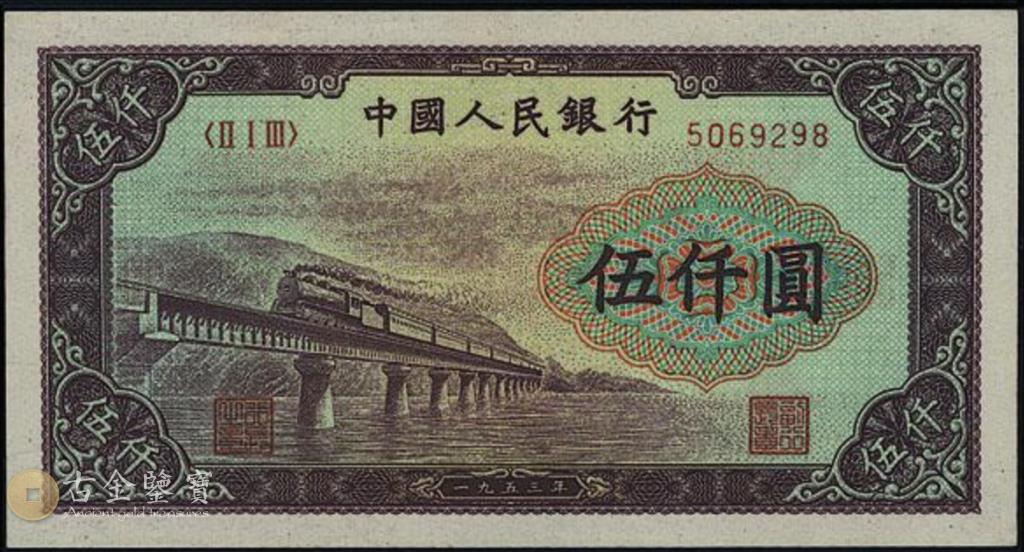
1953 5,000 Yuan Weihe River Bridge
Start with photos so we can assess type, condition and market direction. Higher-value or uncertain items can then be checked in person.
WhatsApp photos for appraisal Front, back and edge photos are usually reviewed firstFree photo review Phone 852 98342057

Collectible appraisal
1953 5,000 Yuan Weihe River Bridge
Start with photos so we can assess type, condition and market direction. Higher-value or uncertain items can then be checked in person.
1953 5,000 Yuan Weihe River Bridge
Photograph the front, back, side or edge, plus any close-up details. Include dimensions, the measured weight, certificates or original packaging where relevant.
This 1953 5,000 Yuan note is identified by the Weihe River Bridge subject, its printed value and date. Start with the complete front and back so the bridge vignette, inscriptions and every edge remain in context. Prefix, serial...
Item details and appraisal notes
This 1953 5,000 Yuan note is identified by the Weihe River Bridge subject, its printed value and date. Start with the complete front and back so the bridge vignette, inscriptions and every edge remain in context. Prefix, serial and paper condition should be photographed afterwards, without assuming that a watermark or finer variety is present.
The printed details that establish the broad type
| Printed detail | What to read |
|---|---|
| Series reference | Listed under First Series Renminbi; confirm that placement from the issue details visible on the note. |
| Date shown | 1953 |
| Face value | 5,000 Yuan |
| Bridge subject | Weihe River Bridge |
| Initial boundary | Use the date, value, vignette and surrounding text for identification. Paper grade and authenticity require separate examination. |
Images that keep identity and condition separate
Complete front and back: Frame both faces at matching scale and neutral colour. The Weihe River Bridge design, 5,000 Yuan value and 1953 date should be legible before any enlarged detail is added. Keep the outer border visible so trimming or paper loss can be located.
Serial and inscriptions: Show the whole prefix and number line with nearby paper, then take one closer image of any weak character. Natural contrast is preferable to sharpening. A digit that remains unclear should be described as unreadable rather than completed from another banknote.
Condition across the sheet: Photograph creases, foxing, pinholes, tears, water staining, pressing, backing and repairs on the side where they occur. A full-face locator image should accompany each close view. Keep these observations apart from the design attribution.
Leave the paper unchanged before closer examination
Use a dry, non-reflective support and handle the banknote only as much as needed for the two full views. Do not flatten an established fold, wash a stain or add tape to a split edge. If the paper resists movement, photograph the accessible area and leave the rest closed.
Three supporting checks
- Material still kept with it: Photograph an album, envelope, holder, certificate or handwritten family note only when it remains with the banknote. Show it separately and beside the item, without letting its wording decide type or condition.
- Paper under changing light: Neutral light should establish colour; low raking light can reveal folds or surface disturbance. Transmitted light belongs only in a separate image when an actual watermark, thin area or repair can be seen.
- Storage after photography: Return the note to a clean inert sleeve and keep it flat, dry and shaded. Preserve any detached label in the same file group, but not in direct contact with fragile paper.
Two notes with different values and subjects
Further First Series Renminbi reading
The First Series Renminbi provides wider issue context, while the First Series Renminbi: Denominations, Designs and Evidence sets out useful comparison points. Apply that background only after reading the complete physical note.
Photographs and questions can be submitted on the About Gu Jin Jian Bao | Collection Enquiries; a message may also be sent via WhatsApp at +852 9834 2057 or by calling +852 9834 2057. Include both faces, the full serial if visible, and the location of any paper damage or earlier repair.
Questions before an appraisal
What should you check before selling?
What matters depends on the item. Photograph both sides, the edge, hallmarks or base marks, and any damage. Include the original box, certificate or weight information where relevant so we can decide whether an in-person inspection is needed.
