

Collectible appraisal
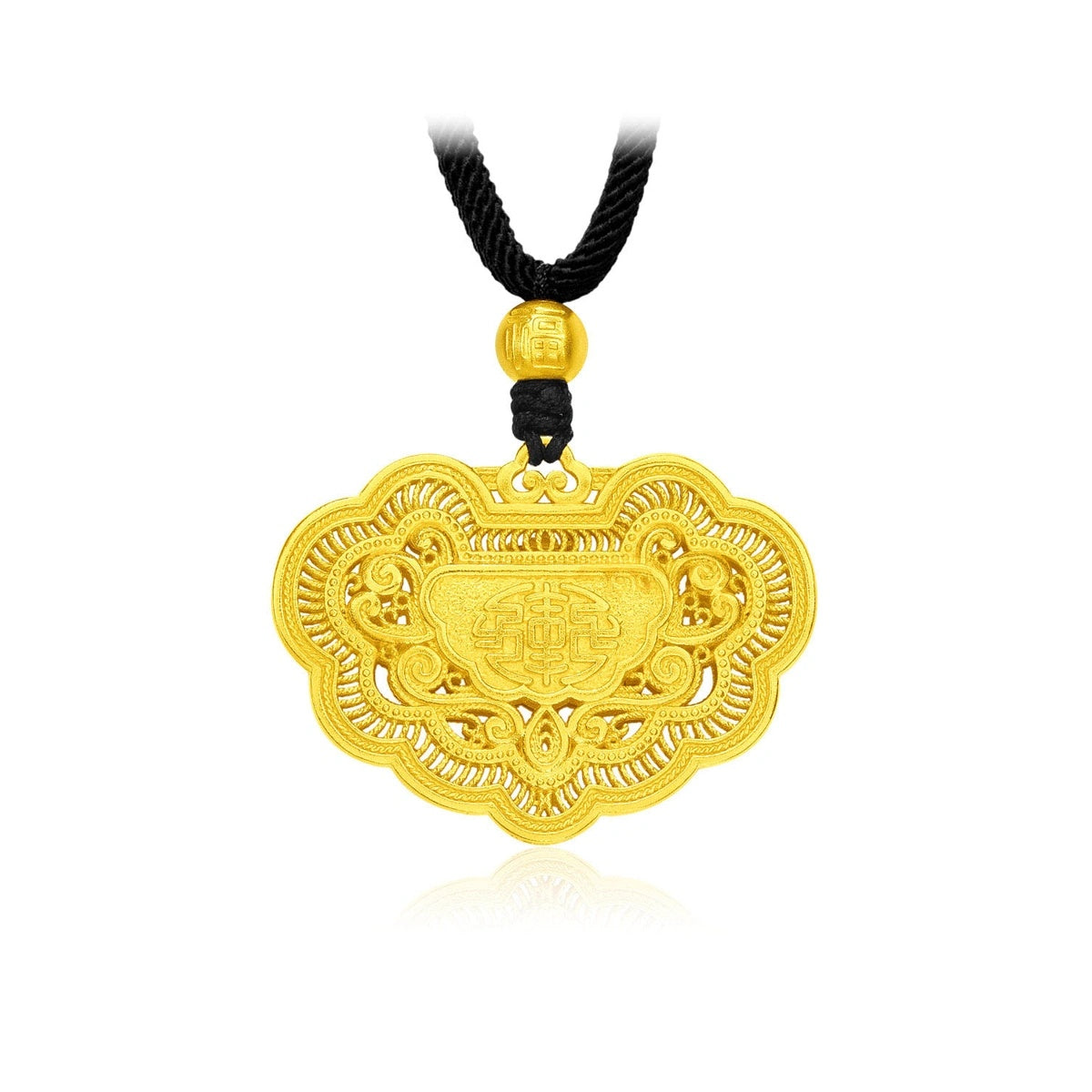
999 Pure Gold Pendant
Start with photos so we can assess type, condition and market direction. Higher-value or uncertain items can then be checked in person.
999 Pure Gold Pendant
Photograph the front, back, side or edge, plus any close-up details. Include dimensions, the measured weight, certificates or original packaging where relevant.
This pendant is presented as 999 gold. Its bail, front, reverse, joins, possible hollow cavity and hallmark should be documented independently from any chain, cord or stone before a scale reading is interpreted.
Item details and appraisal notesItem details and appraisal notes
Scroll horizontally to view the full table
This pendant is presented as 999 gold. Its bail, front, reverse, joins, possible hollow cavity and hallmark should be documented independently from any chain, cord or stone before a scale reading is interpreted.
999 gold pendant: construction, fineness and weight
| Feature | What to establish |
|---|---|
| Object type | pendant |
| Structure to photograph | Bail, front, reverse, joins and any hollow cavity. |
| Measurements and weight | Body length, width and thickness, bail dimensions, and gross weight. |
| Separate components | Keep any chain, cord, stone or separate fitting outside the pendant weight. |
| Purity boundary | A 999 mark is a claim to verify on the pendant itself. Keep its measured gross weight separate from tested fineness and confirmed gold weight; apply the appraisal-date reference price only after accessories are identified. |
Inspecting the 999 gold pendant without alteration
Construction and joins: Photograph the pendant straight on, from the reverse and in side profile, then show the bail, solder seams, edges and any opening into a hollow body. Do not press the relief or probe a cavity.
Dimensions and scale: Record body length, width, thickness, bail dimensions and gross weight with units visible. A chain or cord should have its own image and weight rather than being hidden in a combined reading.
Separate materials: Keep any chain, cord, stone, enamel or detachable fitting outside the pendant-only weight when it can be separated as designed. Uncertain embedded material should remain declared, not estimated.
Remove load from a weak bail
Lay the pendant flat and detach a chain only through its existing clasp. Do not bend the bail, polish the mark or open a sealed seam before the current construction is documented.
Bail, body and reverse in three passes
- Bail and suspension: Show the opening, wear groove, solder joint and alignment from front and side. A split or thin bail should not be tested with the weight of a chain.
- Front and relief: Use direct and raking light for raised design, dents, polishing loss, holes and later repair. Keep every close view tied to the complete pendant.
- Reverse and cavity: Photograph the whole reverse, hallmark and seams. If a cavity is sealed, do not open it to guess whether the body is hollow or filled.
Two wearable gold comparisons
Pendant component and weighing guidance
For separating wearable parts, consult Gold and Jewellery alongside Gold Handover: Itemised Weights and Non-Gold Components. Use the sequence to keep the pendant body, chain and any stone under distinct weights.
For a review of the bail, body, hallmark and pendant-only weight, contact About Gu Jin Jian Bao | Collection Enquiries. Share front, reverse and side views through WhatsApp 9834 2057, or telephone +852 9834 2057. Quote “999 gold pendant” and state whether a chain, stone or sealed cavity is present.
Questions before an appraisal
What should you check before selling?
What matters depends on the item. Photograph both sides, the edge, hallmarks or base marks, and any damage. Include the original box, certificate or weight information where relevant so we can decide whether an in-person inspection is needed.
