Collectible appraisal
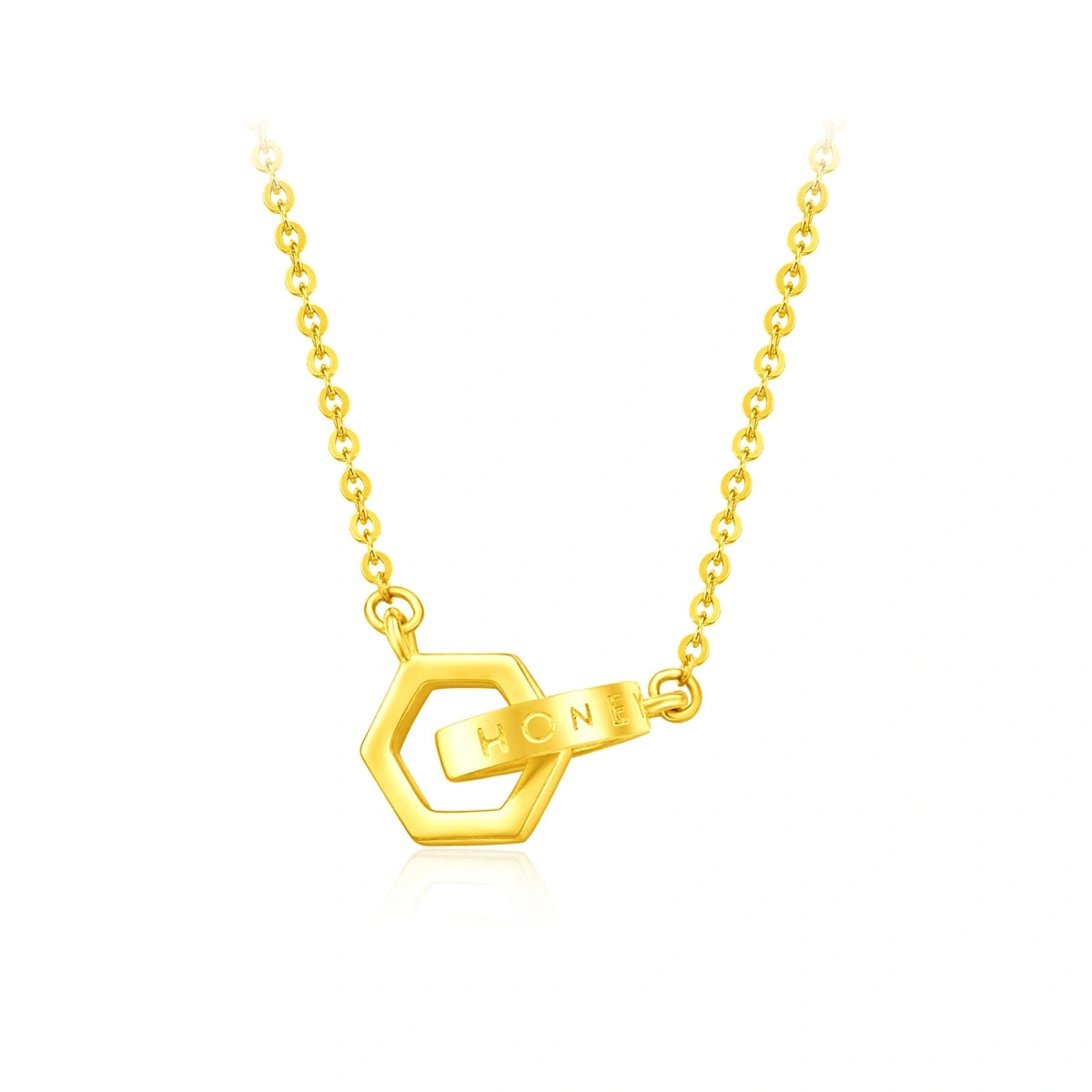
Pure Gold Necklace
Start with photos so we can assess type, condition and market direction. Higher-value or uncertain items can then be checked in person.
WhatsApp photos for appraisal Front, back and edge photos are usually reviewed firstFree photo review Phone 852 98342057
Collectible appraisal
Pure Gold Necklace
Start with photos so we can assess type, condition and market direction. Higher-value or uncertain items can then be checked in person.
Pure Gold Necklace
Photograph the front, back, side or edge, plus any close-up details. Include dimensions, the measured weight, certificates or original packaging where relevant.
A pure gold necklace has three separate valuation inputs: fineness, actual gold weight and the reference gold price on the day of appraisal. Begin with the necklace as received. Its hallmark is a clue, while the clasp, jump...
Item details and appraisal notes
A pure gold necklace has three separate valuation inputs: fineness, actual gold weight and the reference gold price on the day of appraisal. Begin with the necklace as received. Its hallmark is a clue, while the clasp, jump rings, solder joints, detachable pieces and any non-gold material affect how the weight is understood.
Pure gold necklace: structure to inspect first
| Item | What to show |
|---|---|
| Object type | Necklace |
| Construction | Chain links, clasp, jump rings and visible solder joints |
| Measurements | Overall length, chain width and gross weight |
| Separate components | Any pendant, originally detachable fitting or clearly non-gold part |
| Purity boundary | “Pure gold” is a stated claim. Confirm fineness through the actual hallmark and appropriate testing, then distinguish gross weight from confirmed gold weight. |
Looking over the necklace without taking it apart
Chain and hallmark: Lay the necklace in its natural shape and photograph the complete chain, clasp, jump rings and each visible solder joint. Add a sharp view of every hallmark; the wording supports examination but does not replace testing.
Length and weight: Measure the full length and chain width, then photograph the scale with the unit visible. Weigh the necklace as a whole first. Only a pendant or fitting that was already designed to detach should be weighed separately—do not dismantle the chain.
Wear and alterations: Show scratches, dents, distortion, breaks, drilled areas, later solder and polishing as found. Note missing paperwork honestly and use the physical construction, hallmark, dimensions and weight as the starting evidence.
Photographs that protect the original condition
Capture the full necklace, hallmark, scale reading, clasp, jump rings, solder joints, packaging and accessories in separate images. Do not polish, repair or pull apart the necklace before appraisal; its existing construction helps explain both fineness and weight.
Three practical checks
- Construction: Note whether the chain is hollow or solid and whether any pendant was made to detach. Do not infer the internal construction from appearance alone.
- Receipt or box: An old receipt, certificate or box may support provenance, but it cannot replace testing and weighing. Photograph it beside the necklace without covering any part.
- Wear and loss: Mark a worn clasp, missing link, distortion or break before weighing. Later solder and replacement findings can affect the non-gold deduction.
Other forms of gold
Gold appraisal and handover guidance
For necklace testing and handover, use Gold and Jewellery with Gold Handover: Itemised Weights and Non-Gold Components. Apply both after the complete chain, clasp and mark are visible.
To review the necklace, hallmark and scale image, contact About Gu Jin Jian Bao | Collection Enquiries. Send the full-length photographs by WhatsApp 9834 2057, or call +852 9834 2057. Quote “pure gold necklace” and begin with the clasp, repair or weight needing clarification.
Questions before an appraisal
What should you check before selling?
What matters depends on the item. Photograph both sides, the edge, hallmarks or base marks, and any damage. Include the original box, certificate or weight information where relevant so we can decide whether an in-person inspection is needed.
