
Collectible appraisal
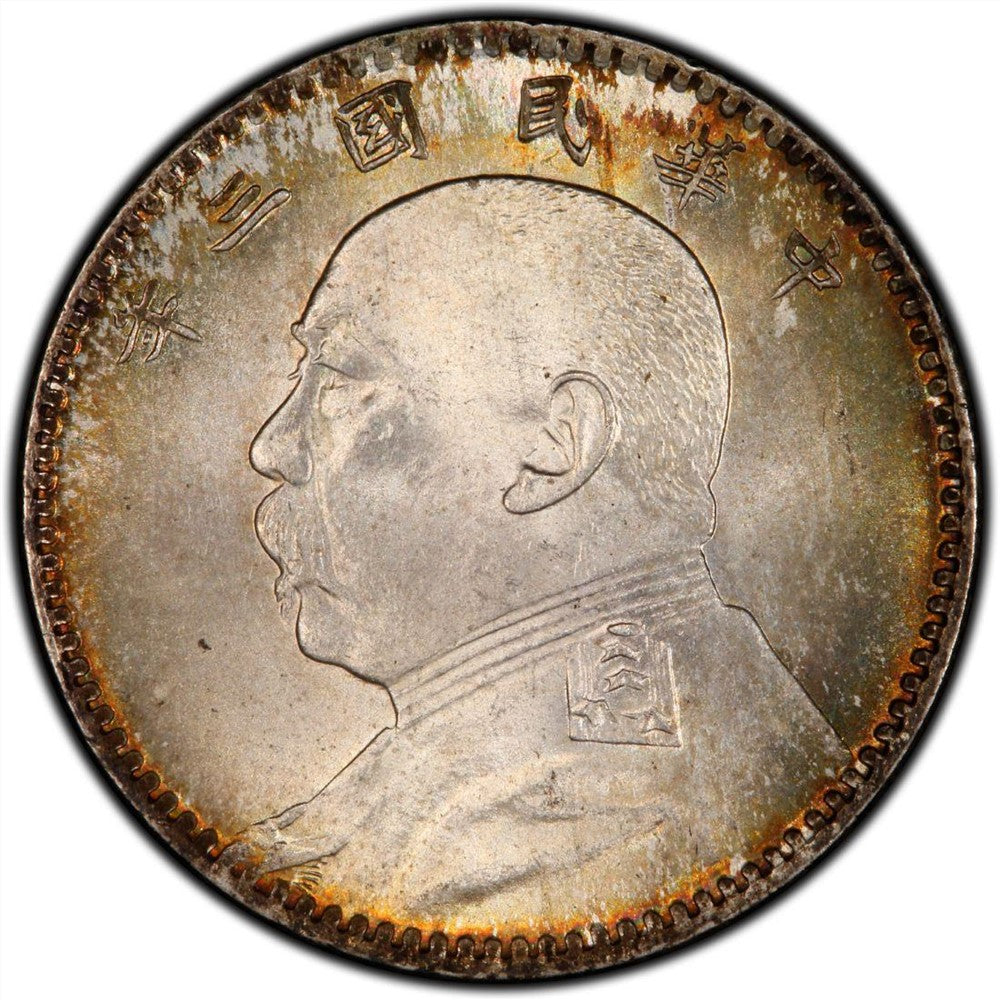
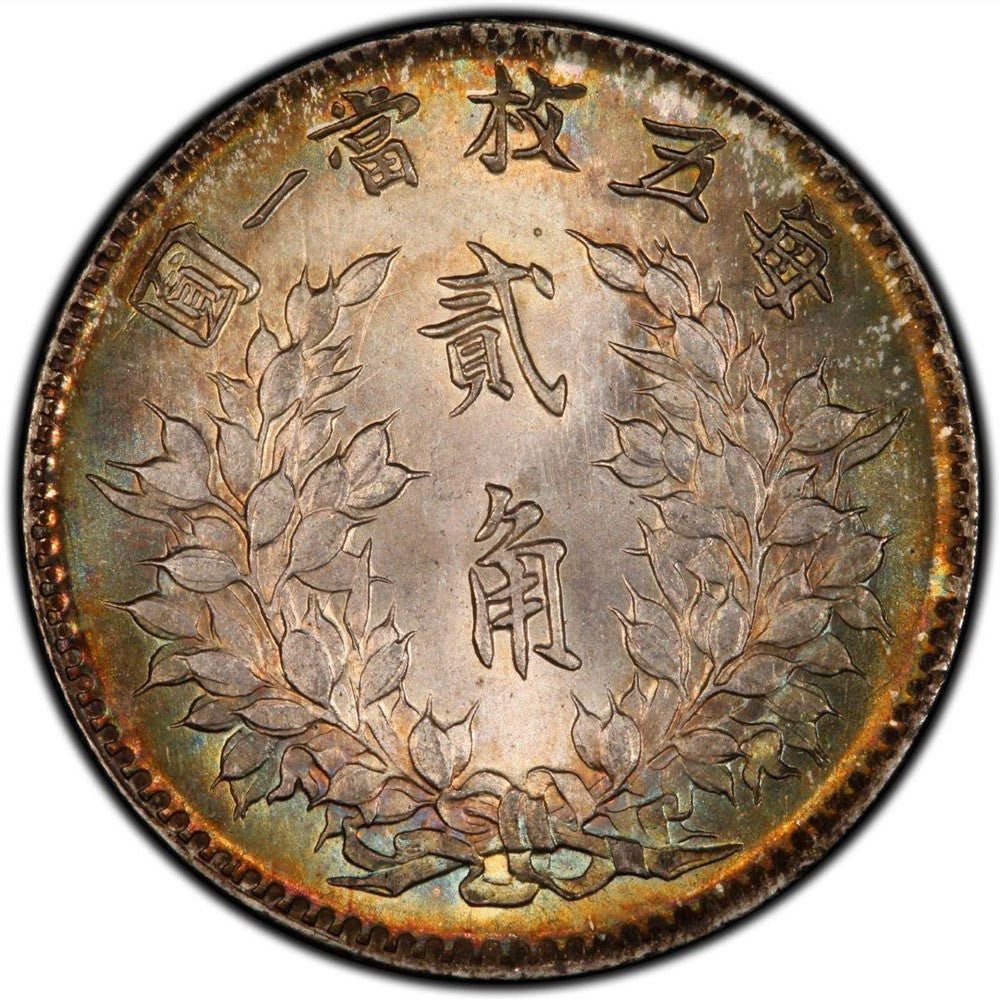
Yuan Shikai Year 3 20-Cent Silver Coin
Start with photos so we can assess type, condition and market direction. Higher-value or uncertain items can then be checked in person.
WhatsApp photos for appraisal Front, back and edge photos are usually reviewed firstFree photo review Phone 852 98342057


Collectible appraisal
Yuan Shikai Year 3 20-Cent Silver Coin
Start with photos so we can assess type, condition and market direction. Higher-value or uncertain items can then be checked in person.
Yuan Shikai Year 3 20-Cent Silver Coin
Photograph the front, back, side or edge, plus any close-up details. Include dimensions, the measured weight, certificates or original packaging where relevant.
A Year 3 Yuan Shikai 20-cent coin should show its portrait date and the denomination relationship of five pieces to one yuan. Read the complete legends before focusing on isolated characters. The apparent sharpness of one detail is not enough to establish a die variety.
Item details and appraisal notes
A Year 3 Yuan Shikai 20-cent coin should show its portrait date and the denomination relationship of five pieces to one yuan. Read the complete legends before focusing on isolated characters. The apparent sharpness of one detail is not enough to establish a die variety.
Check the Year 3 date against the twenty-cent reverse
| Feature | What to confirm |
|---|---|
| Issue | Yuan Shikai portrait fractional silver coin |
| Date | Republic Year 3 |
| Denomination | 20 cents; five pieces equal one yuan |
| Mint or province | None is stated. Do not borrow an origin from another denomination or year. |
| Attribution limit | Portrait, date and value provide the working identity only; authentication and fine varieties need direct inspection. |
Make the denomination wording legible
Obverse legend: Frame the portrait, Year 3 characters, denticles and rim together. Add a close image only after the full face shows where each uncertain stroke belongs.
Reverse inscription: Photograph the 20-cent value and five-pieces-to-one-yuan wording without glare. Preserve enough surrounding design to distinguish a weak strike from wear or later abrasion.
Edge and size: Cover the circumference with overlapping photographs and show the instruments used for weight, diameter and thickness. Treat those readings as cross-checks, never as a certificate of authenticity.
Read condition in three layers
Original strike: Compare portrait relief, date strokes and reverse lettering under the same light. Flattened high points may reflect circulation, while incomplete recesses may begin at striking.
Surface history: Use neutral illumination for colour and an oblique beam for hairlines or smoothing. Leave toning, deposits and previous cleaning exactly as they are.
Later damage: Mark the location of scratches, rim bruises, bends, punch marks or mounting work on a complete face. Describe those changes apart from the coin's intended devices.
Protect the coin while taking photographs
Work above a soft dry surface and touch only the edge. If a sealed holder is present, keep it intact and photograph the label and visible edge; do not open it simply to obtain a weight.
Guidance for Yuan Shikai fractions
Open Yuan Shikai Dollars and use the Yuan Shikai Dollar: Wreath, Edge, Weight and Surface. Check every comparison against the actual Year 3 and 20-cent inscriptions.
Other twenty-cent examples
Send a complete photographic sequence to About Gu Jin Jian Bao | Collection Enquiries, Send by WhatsApp or Phone 852 9834 2057. Note whether the five-to-one-yuan line is fully visible on the reverse.
Questions before an appraisal
What should you check before selling?
What matters depends on the item. Photograph both sides, the edge, hallmarks or base marks, and any damage. Include the original box, certificate or weight information where relevant so we can decide whether an in-person inspection is needed.
