
 WhatsApp item photos
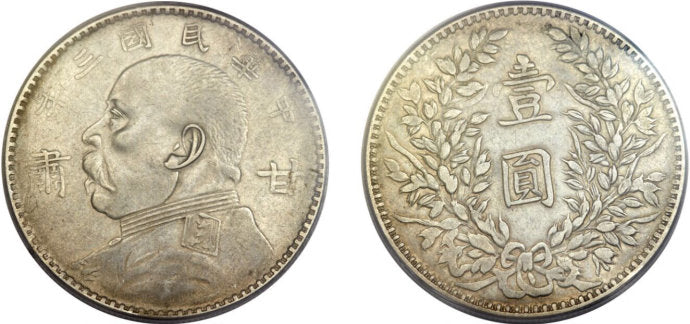
Match sleeves, holders and labels before completing the coin card
Retain the measuring tool and unit in every image. Begin by attaching paper sleeves, grading holders and old labels to the correct Yuan Shikai coin number under provenance.
Keep condition and identification in separate sections
Record patina, wear, knocks and possible cleaning under condition; place portrait hair, epaulette, lettering and denticles under identification instead of blending them into one conclusion.
Check that complete photographs retain the whole circumference and leave a genuine gap blank. State any restriction where an enclosure cannot be opened safely.
Copy visible coin details first
Enter the current name, legible wording, designs, dimensions or weight, enclosure and condition. Mark a field for item-by-item review when it is unclear.
Secure both whole faces before adding details of portrait hair, epaulette, date characters, grain wreath, denticles and variety markers under the same identifier.
Market shorthand is not physical evidence
Photograph overlapping edge sections around the full circumference, preserving joins, rim changes, holes, solder and former jewellery-mount traces.
Treat the holder attribution and numerical score as a separate document. Check the enclosed coin for its date, proposed variety, portrait, grain wreath and surface wherever the plastic permits.
Attach a named reference and consultation date to any issue, production or historical information; old labels, oral accounts and web pictures remain search leads.
One coin number across every evidence type
When several Yuan Shikai dollars are present, group visible dates and proposed varieties, then number each coin so portrait, grain wreath, edge, weight and diameter remain connected.
Names such as signed type, O variety, triangular-yuan variety or regional issue are used only after the corresponding feature is located on complete views.
Keep overall photographs, close-ups, measurements, packaging and documents under one identifier, with every concealed area noted explicitly.
Let the missing view decide the next action
Transcribe the date, denomination and wording from both faces before comparison within the same design. Interpret weight and diameter in the context of an established coin type.
Original images can locate conspicuous damage and support sorting, though composition, subtle repair and enclosure-covered areas may still require direct inspection.
How Wreath, Edge and Weight Support the Same Yuan Coin
Begin with patina, wear, knocks and possible cleaning, followed by complete, raking-light and damage photographs. Keep any missing observation explicit.
On the next pass, locate portrait hair, epaulette, lettering and denticles, then connect the complete edge, weight, diameter, instrument and unit. Do not alter the coin to fill a field.
Original packaging and attachments support provenance but cannot replace the coin. Record their identifier, seal state and visible limitations separately.
Retain unfiltered first photographs and add a new image for any unclear position. Confirm during handover that no detail has crossed to another coin.
Before an enquiry, leave the Yuan Shikai dollar unwashed and enclosed, and include the existing grain-wreath, edge and measurement images with available documents.