
Support fragile, damp or adhered objects before preparing a handover
Treat every object in a mixed group individually. Stabilise anything fragile, damp or adhered before taking photographs or measurements, using an identifier that stays with the object.
Choose a safe order
Photograph the whole object, edges, underside and any damage. Separately note the group list, image filenames and storage location so a condition observation is not mistaken for a location note.
Date supporting documents independently and leave missing information open. If an enclosure cannot be moved safely, state what it prevents you from viewing.
Add damage details only after complete views
Separate metals, paper, stamps and ceramics even when they arrived together. Each material needs its own support, handling and storage precautions.
Confirm the handover method, named costs and required documents only after the objects can be seen clearly. A family story or distant group photograph cannot establish condition.
Use one identifier across complete views, details, measurements, packaging and documents. Explain the possible effect before touching a delicate surface or moving an enclosure.
Keep unknown details genuinely open
Preserve original boxes, sleeves, certificates, receipts and old labels. They can add provenance but cannot substitute for examination of the object they may belong to.
When many similar pieces are present, connect every close-up and dimension to a complete view of the individual object. Do not assign evidence merely because it resembles the nearest piece.
Give a source and consultation date for statements about issue, production or history. Previous labels, oral accounts and online images remain background material.
Use the individual object, not the group, as the unit of evidence
State the proposed name, visible wording or design, dimensions or weight, current packaging and observable condition. Mark anything concealed by a box or sleeve.
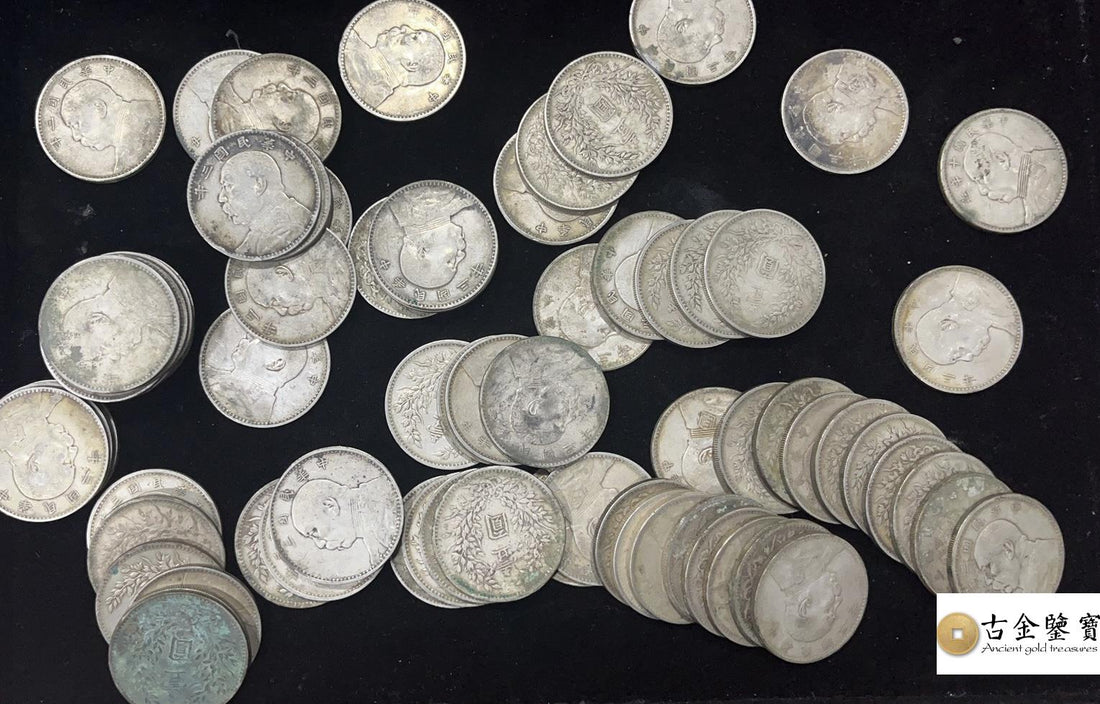
A group photograph can establish quantity and overall context. Re-examination requires the individual front, back, edges, underside, dimensions and weight under the object's own identifier.
Look for omissions before completing the handover
Divide the group into metals, paper items, ceramics and postal material, then number each piece. Evidence from one material should not be judged by the handling rules or condition criteria of another.
Photographs may reveal design and conspicuous damage, while material, fine repairs and enclosed areas can require direct inspection. Leave those questions attached to the relevant object.
A practical route through a mixed collection
Begin by locating the packaging, labels and damage for each object. Complete views, edges, underside, damage details, dimensions, weight, measuring tool and original unit must all carry the same identifier.
For several objects, keep the group list, image filenames, storage locations and material group attached to each individual number. Use the batch image only to verify the count.
Every measurement needs its tool and unit, and every detail needs a location on the complete object. A conclusion dependent on either missing element should wait.
If a later step would require opening, contact or testing, specify the location and possible effect. Preserve the present enclosure and surface until that step has been considered.
State what may and may not be done
Alongside the identifier, proposed category, overall image and original dimensions, list packaging, visible damage, obscured areas and handling limits. For a coin, note whether its full edge is covered; for a banknote, whether the sleeve can move safely; for jewellery, the clasp, soldered points and attached non-gold parts.
Describe any step that would touch the object
Name the location, purpose and likely effect of opening an enclosure, turning fragile paper, operating an old clasp, removing packaging or touching a surface. Finish non-invasive photography and measurement first; never peel, rub or twist an item simply to obtain a detail view.
Use the object number to trace four evidence groups
For an object numbered M01, put M01 on its image filenames, measurements, packaging and attachment references. A group image confirms only the total count. Place an unassigned certificate, box, bag or tag on the unresolved list until its relationship can be established.
Keep timing and responsibilities among the handover terms
State the date, transfer method, inspection scope and responsibility for packaging or transport, plus any confirmed cost or payment arrangement. Mark an irrelevant point as not applicable and an undecided point as pending. If the terms change, retain both versions with their confirmation times.
Before consulting a related item, check the mixed group object by object. Material categories, photographs, boxes and attachments should remain connected to their own identifiers.
