
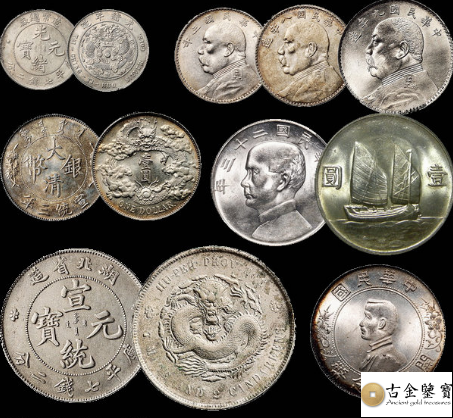
Give the silver dollar and its paper sleeve separate descriptions
First sort each coin by the design and inscriptions actually visible: a Yuan or Sun portrait, a Guangxu or Xuantong dragon dollar, or a Great Qing silver coin. Photograph both faces, the complete edge, weight and diameter for that individual piece.
Transcribe the sleeve on its own, including the old name, collector number, writing medium, stains and tears. Its date or attribution is provenance evidence; it must not replace a year, denomination or motif read from the metal.
When sleeve and coin disagree, retain both wordings under one identifier and date the first comparison. Later attribution begins again with the strike, lettering, edge and surface rather than inheriting the older note.
Take the complete views before a damage close-up
For several coins, photograph the circumference in overlapping sections. Leave seams, altered rims, piercings, solder and traces of former jewellery untouched, and never borrow an unseen edge from a similar example.
A grading holder contributes its printed attribution and grade. Check the enclosed type, year, proposed variety and surface independently, and explain any consequence before direct handling is considered.
Keep the overall views, details, dimensions, enclosure and accompanying papers with the same coin number. That simple discipline prevents a persuasive label from migrating to the wrong silver dollar.
Let an unknown detail stay unknown
Transcribe the visible date, denomination, legends and principal design before comparing dimensions. Weight and diameter become useful only after the coin type has been established.
Describe toning, circulation rub, weak strike, wiping lines and chemically bright areas as separate observations. No dark surface should be polished merely to obtain a clearer photograph.
Historical or production claims need an identifiable reference and consultation date. A sleeve, family account or online picture may direct research, but none is a substitute for the coin.
One coin deserves one coherent set of evidence
Even inside an old holder, note a working identification, legible wording, principal motif, available dimensions and present condition. Mark obscured details for later examination instead of completing them from memory.
Coins sharing a popular name can differ in date, denomination or mint feature. Separate them first; only then compare condition and finer attribution.
Review the checklist before making an attribution
Keep countermarks, sleeves and oral provenance in supporting notes. The decisive comparison still rests on inscriptions, design, strike, metal surface and the uninterrupted edge.
Photographs are excellent for sorting and locating damage, yet metal, delicate repair or an area covered by a mount may require examination in hand. State that limitation plainly.
What a useful silver-dollar enquiry should contain
Supply uncropped faces, raking-light images and located damage details first. Put any unresolved name or variety in a separate question rather than allowing it to colour the photographs.
Add the original weight and diameter with their tools and units, followed by the positions of visible countermarks, holes or edge work. This order protects the existing surface while making comparisons repeatable.
Match every old sleeve, label and grading holder to its coin number, but transcribe rather than endorse its wording. A contradiction is valuable evidence when both sides remain visible.
Retain unfiltered originals when a sharper angle is added. The older view can reveal whether colour, lighting or handling has changed the apparent condition.
For an appraisal, bring the present packaging with the coin and identify the missing views. A specialist can then concentrate on the exact inscription, edge section or surface question that remains open.
