
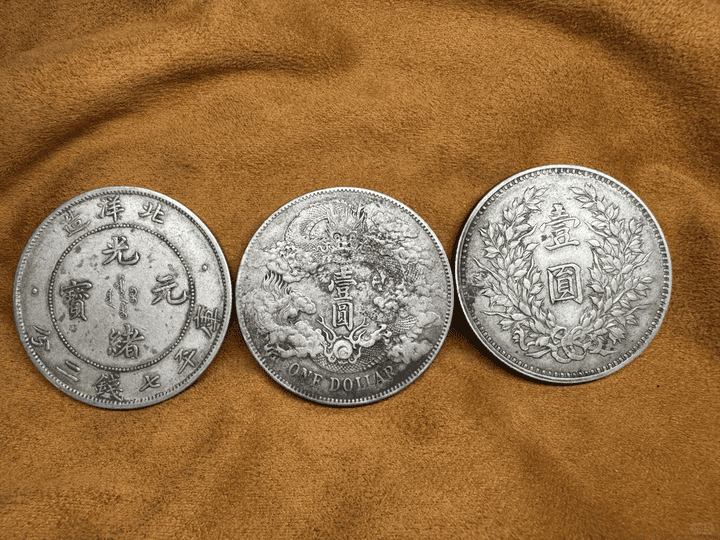
Give every silver dollar a stable number
Create individual records before arranging a mixed batch. Full faces, edge frames, dimensions and packaging must follow the coin rather than a group photograph.
- Identity — transcribe the visible date, denomination and legends from both sides.
- Condition — locate toning, wear, knocks, wiping and possible cleaning traces.
- Images — retain complete faces before raking-light or damage close-ups.
Support each coin safely and note any holder restriction. Unknown fields stay open instead of borrowing facts from a neighbour.
Keep object observations separate from transaction stories so a former use or price cannot shape the physical description.
Use specifications as supporting comparisons
Sort coins by legible date, denomination and main design before consulting weight or diameter ranges.
A slab label contributes a former attribution and grade. Verify the enclosed wording and visible surface independently.
Read both faces before a finer name
Photograph the portrait, dragon, ship, wreath or other device within its whole composition, including borders and adjacent legends.
Where text is weak, record the visible portion and position. A similar catalogue image cannot complete it.
Add details only after the locator views
Survey the circumference in overlapping order, noting reeding, seams, holes, solder, filing and mounting traces without rubbing the edge.
Describe stable toning, high-point loss, weak strike, hairlines and chemical brightness as distinct observations.
Keep holders and provenance linked
Number envelopes, inserts and certificates separately, retaining their claims as background rather than physical proof.
Coins sharing a box still require individual measurements, surface maps and unresolved lists.
Test the working identity against one-coin evidence
Reconcile date, denomination, designs, complete edge and measured values against the number before considering a variety.
Retain the original tool, unit and first reading. Later values are dated additions, not silent corrections.
Cite issue history and comparison references with consultation dates, keeping another specimen's attributes outside this record.
If images cannot settle metal, fine tooling or concealed repair, state the exact question for direct review.
Hand over the unaltered coin with its packaging and evidence trail; dipping, scraping and filing remove useful information.
