
 WhatsApp item photos
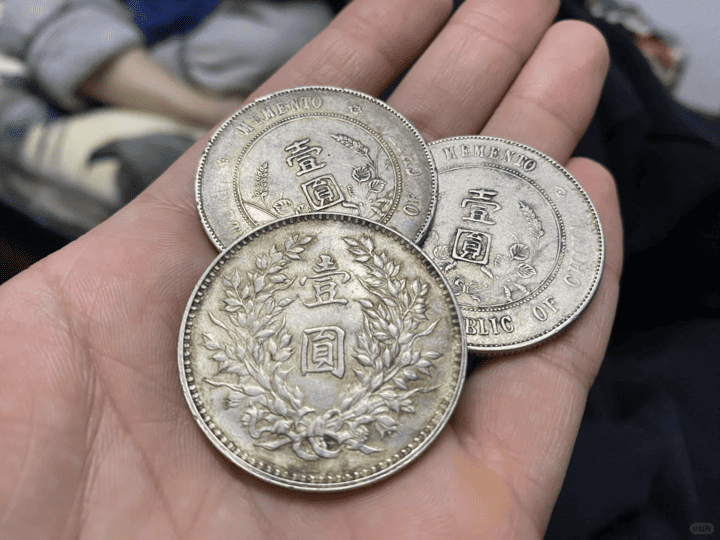
Separate alterations from the Yuan Shikai dollar's identity
Map visible countermarks, holes, filing and other rim changes in the condition field. Record packaging and oral history separately so they cannot supply a missing date or denomination.
Transcribe the date, denomination, portrait-side and grain-wreath legends under the same coin number. A document date belongs to provenance, not the object's chronology.
Use complete, raking-light and damage images to review the wreath, knot, denomination characters and possible variety markers. Show the instrument and unit for every measurement.
This record concerns the coin rather than a named owner, shop or transaction outcome.
Build the identification before judging damage
Read the date, denomination and both face inscriptions before comparing specifications. Weight and diameter only become meaningful once the working coin type is clear.
Photograph both faces without cropping, then locate portrait hair, epaulette, date characters, wreath, denticles and proposed markers on those views.
Follow every section of the edge
Make overlapping circumference photographs. Preserve seams, cuts, filing, holes, solder and former mounting traces; none should be polished away.
Describe toning, normal wear, softly struck detail, cleaning lines and chemically bright patches separately, with each observation tied to its position.
Keep measurements attached to the altered coin
When several portrait dollars are present, number them before sorting by date or visible variety. Never pool weights, diameters or edge images.
A slab offers a label and grade for transcription. Check the enclosed date, portrait, reverse and exposed surface independently.
Know what provenance can and cannot do
Countermarks, sleeves and inherited accounts can explain context, but they do not replace inspection of lettering, wreath, strike, surface continuity or rim.
Treat any named variety as provisional until its described marker can be located on the complete coin.
A direct sequence for an altered Yuan Shikai dollar
First enter every mark, piercing and rim change; then attach the wrapper, slab and older labels. Any proposed name that cannot be supported by the photographs stays out of the conclusion.
Next record the wreath, knot, denomination and visible variety details, followed by patina, contact wear and suspected cleaning. State every area hidden by the enclosure.
Object observations and source claims use separate fields. Preserve both if they conflict, and do not improve one account with words from the other.
Before consultation, reconcile the coin number, accessories, package and outstanding questions. Any inspection or fee condition should be documented only after the actual object is understood.
Old labels may travel with the dollar, but the portrait, wreath, surface and continuous rim record remain the primary check.