
Create an item number before creating a polished name
Work through the collection in a fixed physical order. Give each object or inseparable group a temporary number before photographing, measuring or moving it from its original location.
- Material — describe what can safely be observed and mark uncertain or mixed construction for later examination.
- Count — distinguish single objects, pairs, sets, bundles and attached components without forcing them apart.
- Dimensions — retain the measuring tool, unit and points used, especially where handles, mounts or packaging affect the outline.
Use a working name built from visible form, wording or design. Keep a family nickname beside it as provenance rather than turning it into a confirmed identity.
Photograph context before rearranging the group
Begin with the drawer, album, box or shelf as found, then make complete views for each number. This preserves both the collection structure and the object-level evidence.
Keep filenames tied to the item number and image purpose. An overview, base, edge, hallmark, serial or damage detail should be recognisable without opening every file.
If material is fragile, damp, stuck or unstable, support it and record the restriction. Cataloguing does not justify peeling, opening or separating an object at risk.
Choose the checklist to suit the material
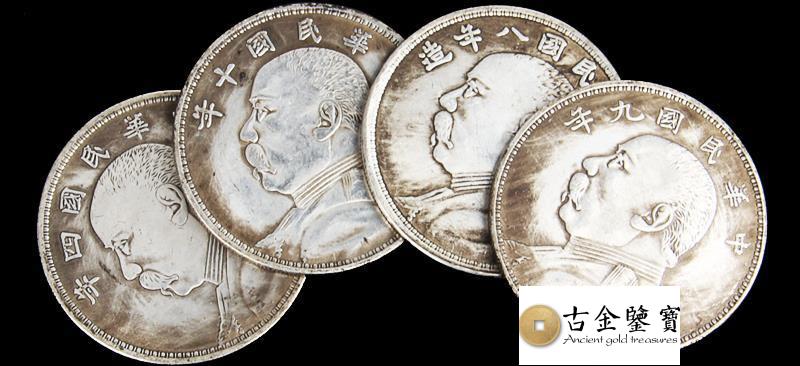
Coins need two faces, a complete edge and measured readings; banknotes need front, back, margins and serials; jewellery needs hallmarks, fastenings and non-gold parts.
Porcelain requires complete form, rim, base and condition views, while stamps need front, back, perforations and gum. One generic image list will miss decisive evidence.
Separate object, packaging and documentation
Number boxes, sleeves, labels, receipts and certificates as linked materials. Their wording can preserve ownership history but should not replace an unreadable inscription on the object.
Photograph each connection before removing loose items from a container. Where a label could become detached, show it beside the relevant number without placing adhesive on the object.
For a sealed package, record visible contents, count, markings and obstruction. Do not open it merely to satisfy a dimension or material field.
Make batches useful without losing individuals
A tray or album spread can establish quantity and order. Individual objects still need their own evidence when condition, dimensions, serials or attributions differ.
Retain pair and set relationships in a dedicated group field. An individual number can coexist with a set number, preserving both levels of meaning.
Keep uncertainty legible
Separate current name, proposed identification and unresolved question. A temporary description should become more precise only when new photographs, measurements or documents support the change.
Date later amendments and retain the first wording. This shows why an attribution evolved and prevents an old label from being quietly rewritten as fact.
Published production or historical information needs a reference and consultation date. Do not copy another object's date, material or dimensions into the catalogue.
At handover, reconcile physical count, item numbers, image folders, packaging and documents. List any object not photographed, measured or safely accessible.
Back up the catalogue in more than one location and keep an export that can be read without specialist software. The aim is for another person to locate and recheck the same object.
