
Return from the paperwork to each collectible
Start the image field with a complete view, then add the edge, underside and exact damage location for every object. Keep packaging and oral history separate, preserving disagreement rather than filling an object field from a label.
In handling, specify support for fragile, damp or adhered pieces. Every detail must be locatable on the whole view so the next reviewer can repeat the observation.
Use the management field for the batch list, photograph file names and storage location. Treat inherited labels as pending until they agree with the object.
Open the inventory with observable fields
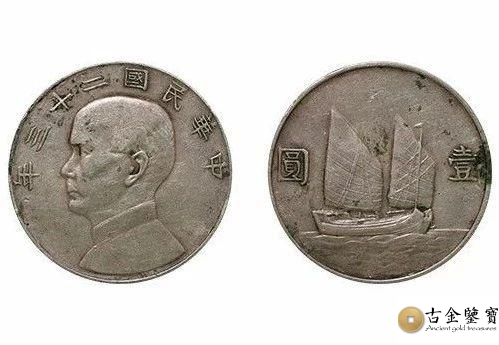
Enter a working name, visible text and design, dimensions or weight, packaging and condition. An unknown material or date remains visibly unresolved.
Only compare market records when type and condition are genuinely similar. An online asking price cannot supply missing evidence for the object in hand.
Move from the group view to one object
An overall photograph records quantity and arrangement. The object's front, back, edge, underside, dimensions and weight provide the reviewable evidence.
Separate mixed material groups before handling. Metal, paper, stamps and porcelain require different support and storage conditions.
Keep whole views, details, measurements, enclosure and documents under the object number. Mark any position hidden by packaging.
Give provenance its own field
Handover method, possible deductions and required papers can only be settled after the collection is actually seen, not from a story or distant group image.
Retain original boxes, sleeves, certificates, receipts and old labels, with each document matched to the corresponding object wherever possible.
A historical or production statement needs a named reference and consultation date. Oral descriptions and web images remain search aids.
Protect the original state while organising
For many related objects, keep the complete frame, detail locations and measurements on the same identifier so comparisons remain auditable.
Photographs establish visible designs and damage; material, subtle repair and packaging-covered areas may still require an appropriate specialist to inspect the object.
Make the mixed-collection review focused
Record the full view, edge, underside and damage position first. If dimensions, weight, instrument or unit are missing, state the gap rather than completing it from a catalogue.
Match the batch list, file name and storage position to the material group—metal, paper, stamp or porcelain—without overwriting the original note or conversion.
Where a document and object differ, transcribe both with their dates. Leave the disputed name, period or material in a review field.
The inventory should let another person locate the object, its photographs and enclosure without unpacking unrelated pieces. Explain what cannot be seen safely.
Old labels can accompany the collection, but packaging, condition and observable damage must remain distinct from the source account.
