
 WhatsApp item photos
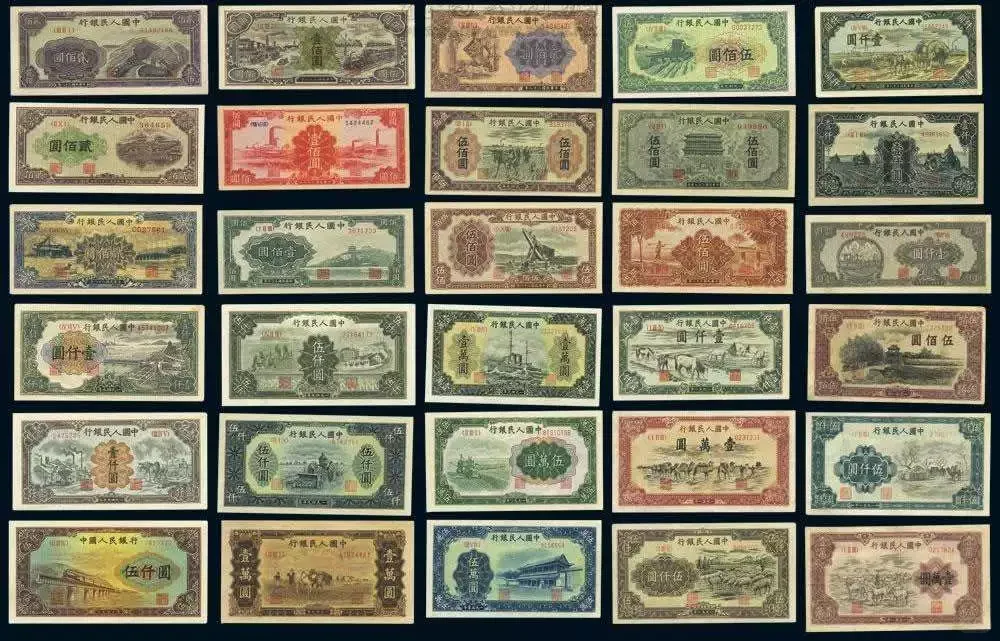
Begin the catalogue with twelve denominations
First group the notes as 1, 5, 10, 20, 50, 100, 200, 500, 1,000, 5,000, 10,000 and 50,000 Yuan. Denomination is only the first layer; different designs, years or layouts at one value remain separate.
Some catalogues subdivide the series into 62 varieties. Retain the exact reference and classification method when using that count, because denomination and variety are different levels and each note still needs a traceable position.
Separate notes that share a face value
Transcribe the obverse and reverse designs, date, value wording, prefix and complete serial before photographing both faces. Compare similar subjects through composition, text placement, colour and dimensions rather than nicknames or thumbnails.
Assign each note an identifier that connects front, back, four corners, edges, transmitted-light view and measurements. A set summary can supplement but never replace the single-note record.
Describe condition through observable details
Distinguish hard folds, softer bends and local curvature. Locate edge splits, paper loss, trimming, rebuilt edges, adhesive residue, stains, mould, washing, pressing, recolouring and repairs instead of hiding them behind a broad grade.
Read a prefix or special serial only within its correct variety. Numbering does not replace paper, print, dimensions or condition, and images should retain natural colour without filters that exaggerate ink or watermark outlines.
Preserve the notes before further checking
Do not wash, iron, laminate, apply fresh tape or pull a note from an album page. Stop moving adhered or brittle paper, support it in a suitable sleeve and isolate it from damp material.
A usable catalogue names the twelve denomination groups, the reference behind the 62-variety system, every note number, images, dimensions and condition. Unreferenced rarity lists or market figures cannot replace that structure.
Fields specific to a First Series note
Begin with series, denomination, printed year and principal designs, then place prefix, serial and print positions under the same identifier. Do not advance merely to complete an empty field.
Reconnect transmitted-light observations and any uncertain watermark to the correct note, together with filled holes, recolouring, pressing or rebuilt-corner evidence. Date later interpretations independently.
Photographs may support text, designs, proportions and obvious damage without establishing paper composition, concealed splits or delicate treatment. Retain those limits beside the item number.
Keep the banknote unwashed, unpressed, unlaminated and attached to an album page where separation is unsafe. Record cracks, adhesion or brittleness as found.
What a First Series Enquiry Still Needs
Retrieve each note's photographs, measurements, packaging and unresolved questions. Any detail that cannot be returned to one physical note remains open rather than being merged.
Before sending the material, make sure the note number, complete views, dimensions and transmitted-light images correspond; leave any unsupported point for direct examination.