
 WhatsApp item photos
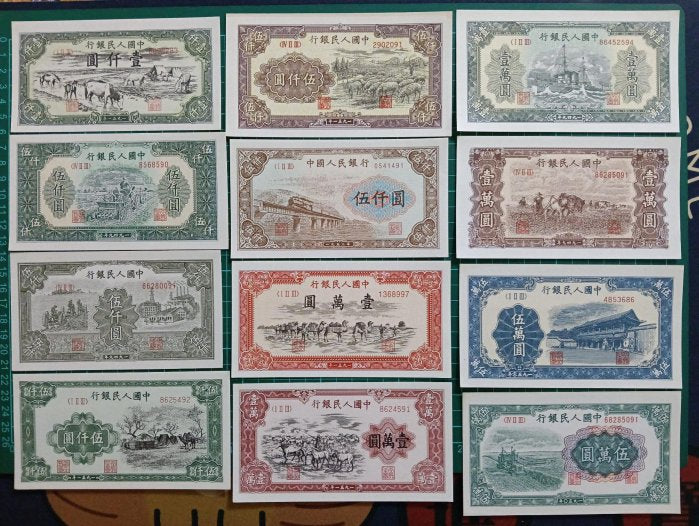
Sort First Series notes before describing them
Give every banknote a number and complete front-back image set. Keep broad historical dates in background notes while the object entry records only visible evidence.
- Identity — denomination, printed wording and principal designs.
- Dimensions — original tool, unit, height and width.
- Backlighting — observed paper features and unconfirmed watermark positions.
Retain the first colour images and mark any sealed, stuck or fragile area that cannot be viewed safely.
Open with the physical note
Copy the visible denomination, date, designs, prefix and serial, leaving unclear digits unresolved instead of completing them from another version.
Isolate mould, adhesion and brittle paper without washing, ironing or using a damp cloth.
Keep views, details and measurements connected
Move coupons, overseas currency, commemorative notes and joined sheets into independent categories even when they share the same album.
Use raking light for washing, pressing, filling, trimming, recolouring and replaced-corner evidence, retaining the original orientation.
Carry the same number through images, dimensions, sleeve and documents so later evidence cannot migrate between denominations.
Keep sources outside the physical description
Evaluate special prefixes only within a supported note type; an appealing serial never overrides paper, ink, corners or repair evidence.
Sort by denomination and design before comparing formats, and record only a backlit feature seen on that individual note.
Cite issue history with its reference and date while treating labels, oral accounts and online images as research leads.
Preserve groups and original order
Do not break a wrapped bundle, consecutive run or original packet merely to photograph every serial; record accessible limits first.
Use images for classification and obvious faults, reserving paper feel, print layers and subtle repair for direct examination.
Resolve serial, format and paper-condition gaps
A precise catalogue version depends on the denomination, design, serial, dimensions and full margins agreeing on the same note.
When a reading changes, earlier photographs remain in the file beside the revision date and the visible feature that justified it.
Confirmed observations, the proposed identity and unresolved paper questions occupy separate sections, making the review repeatable.
After review, the banknote returns to its numbered safe sleeve or original album position, so the set order remains intact.
No water, heat, pressure or forced detachment is needed to complete a useful record.